


Skip to main content Skip to search Skip to main navigation
QUALITÄTSVERSPRECHEN
KAUF AUF RECHNUNG
☎ 0895 419 6384 (8:00 - 12:00)
⭐ ÜBER 200.000 ZUFRIEDENE KUNDEN

AGM batteries at Voltimax.de

There are two groups oflead-acid batteries:conventional wet batteries, which have to be topped up with distilled water, and maintenance-free VRLA batteries with a pressure relief valve. These include gel batteries and AGM batteries. AGM technology offers numerous advantages and a wide range of applications.

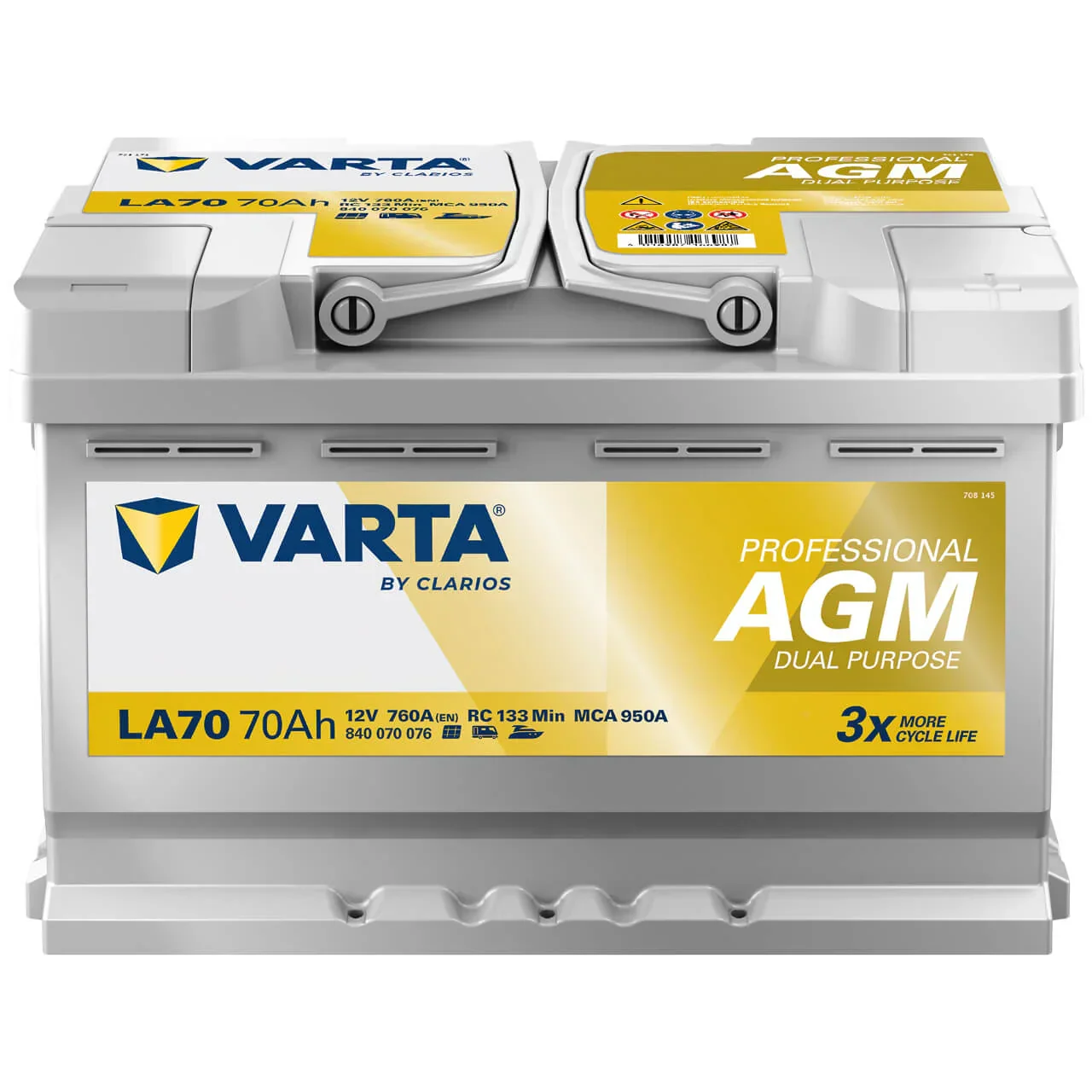
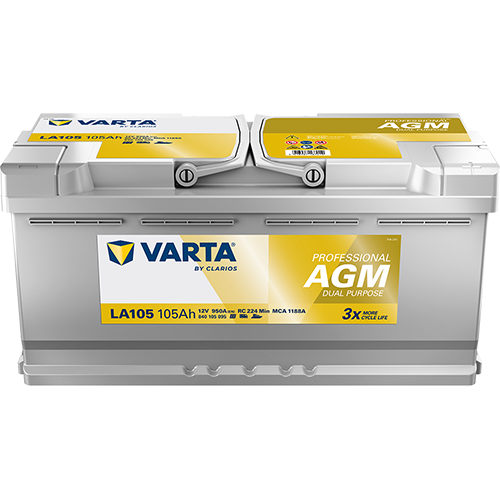
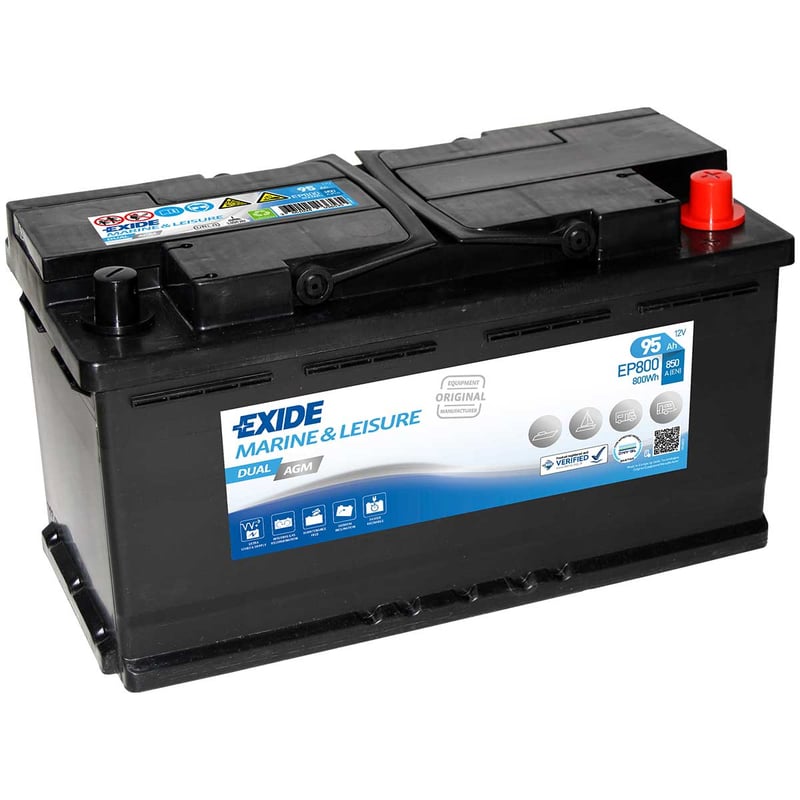
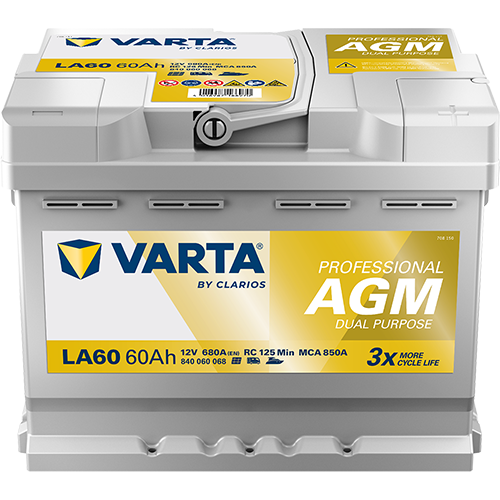
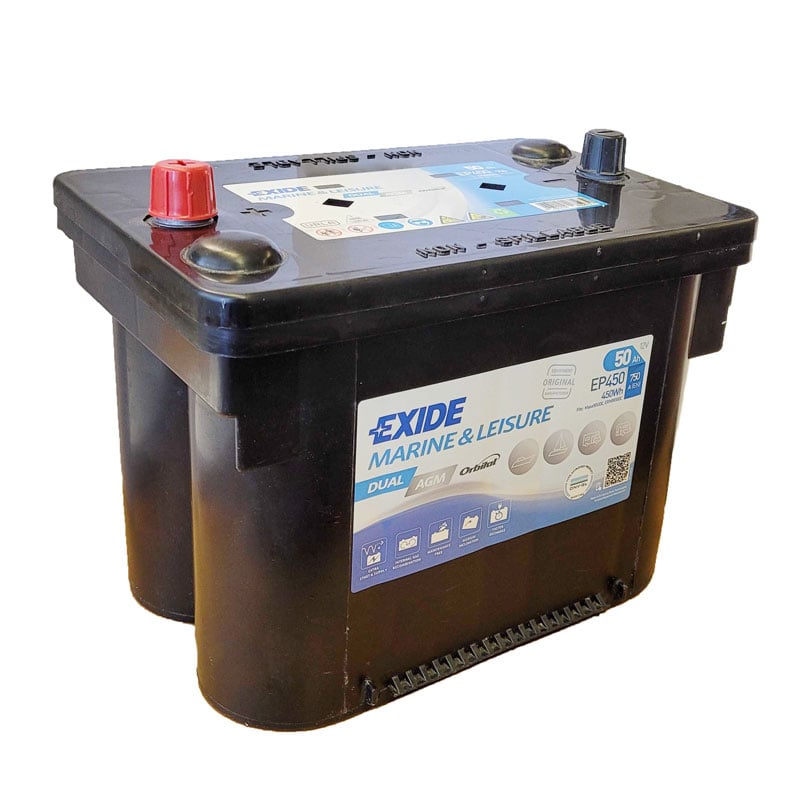
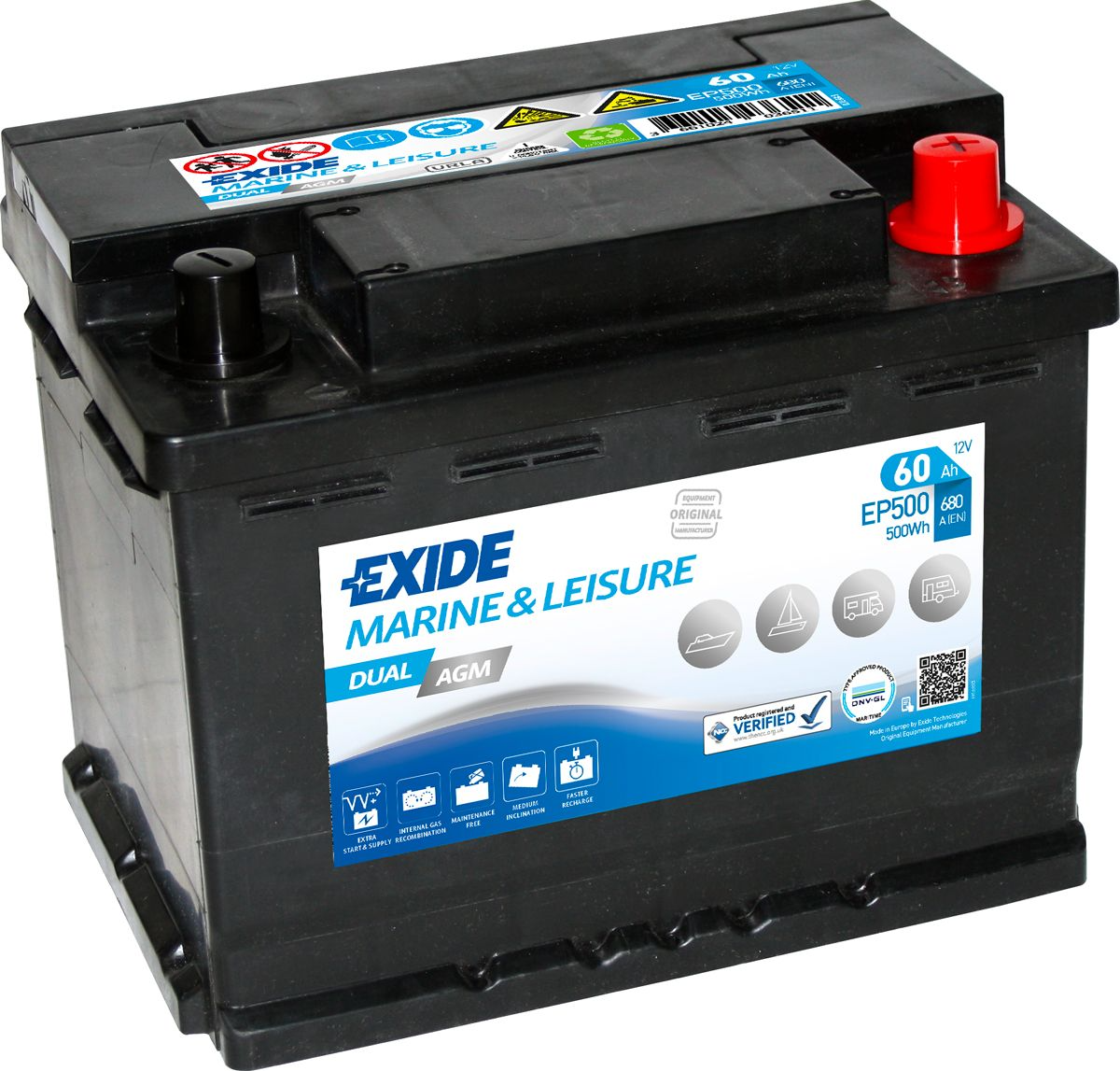
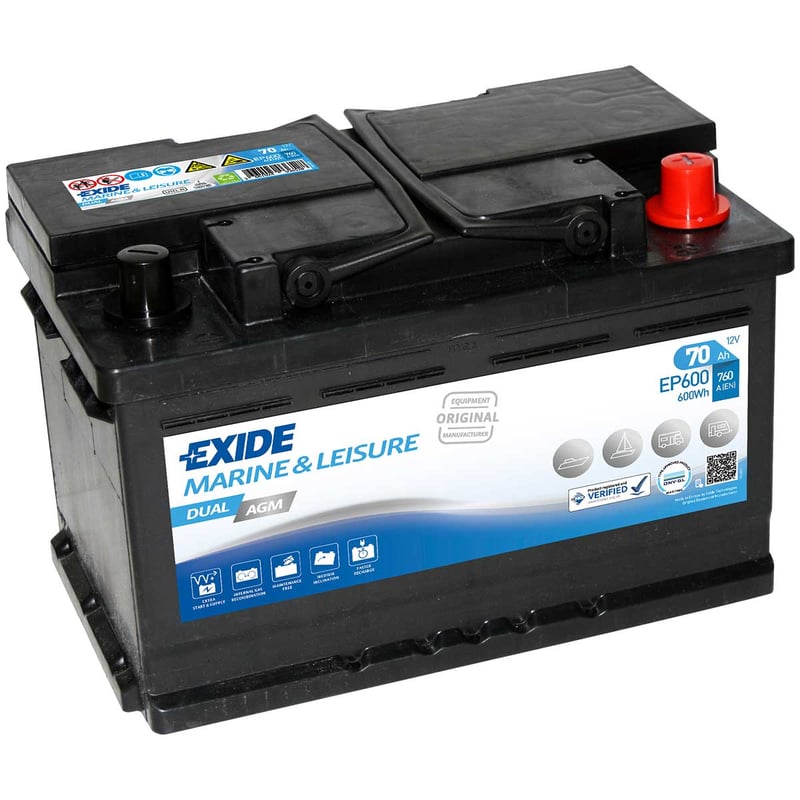
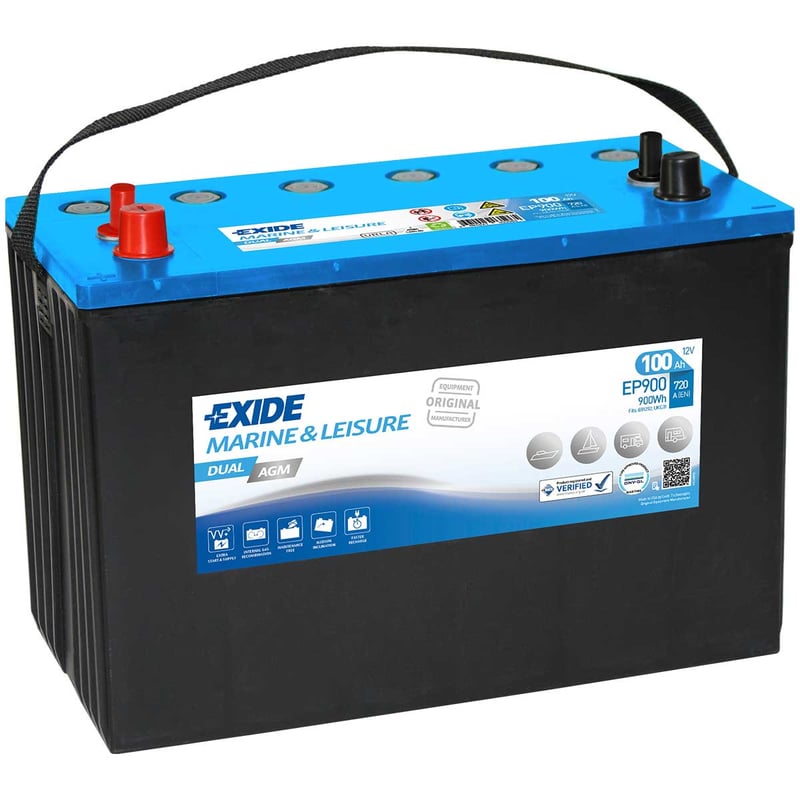
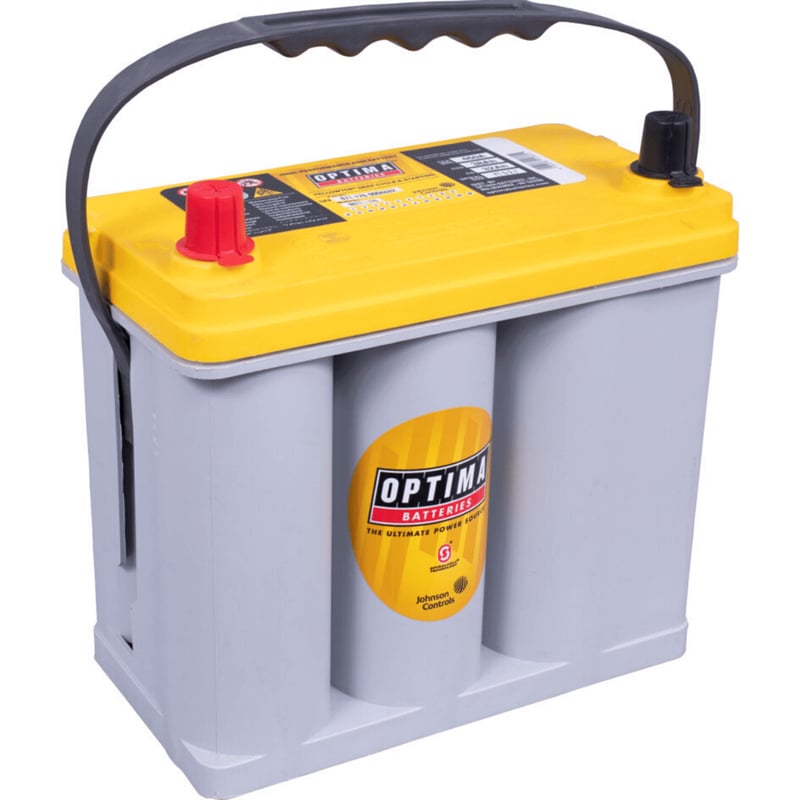
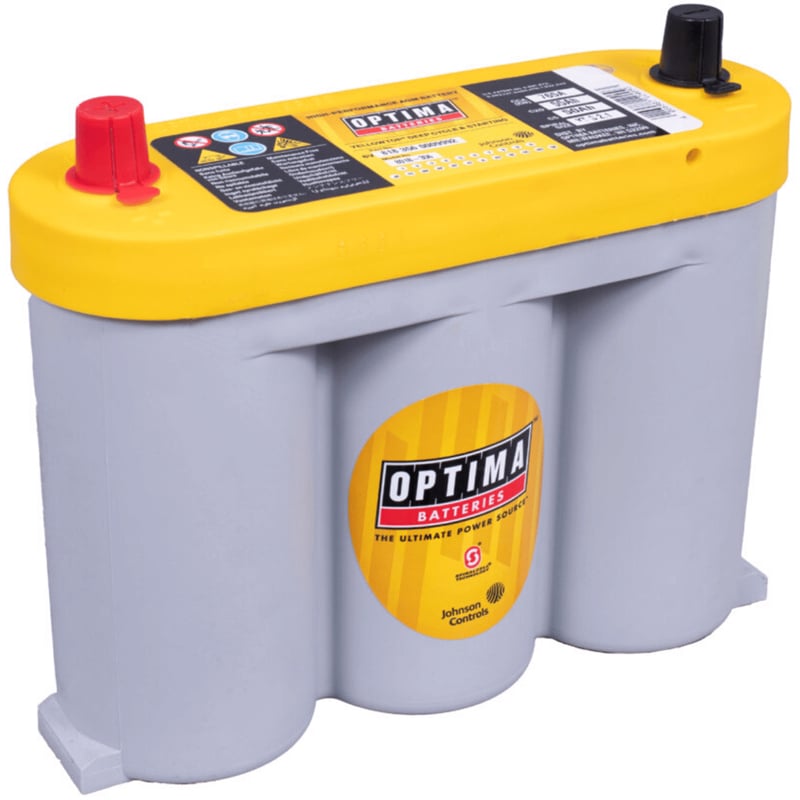
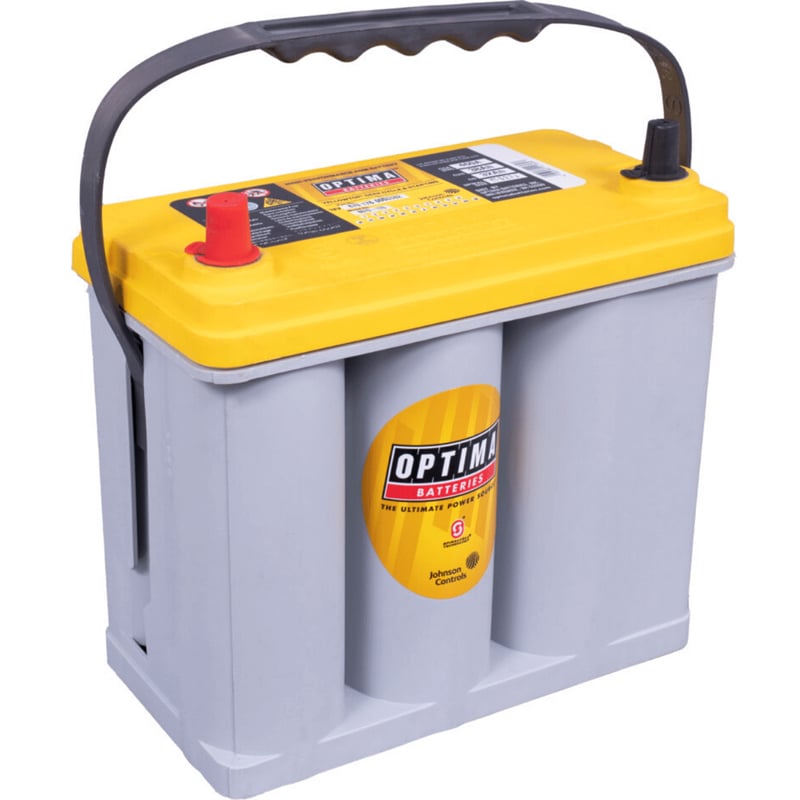
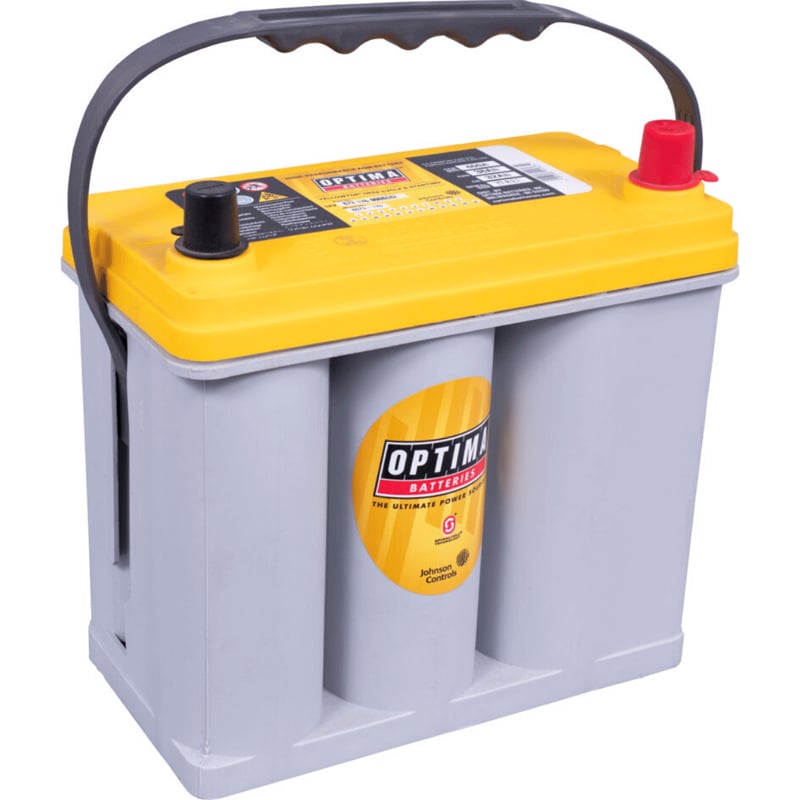
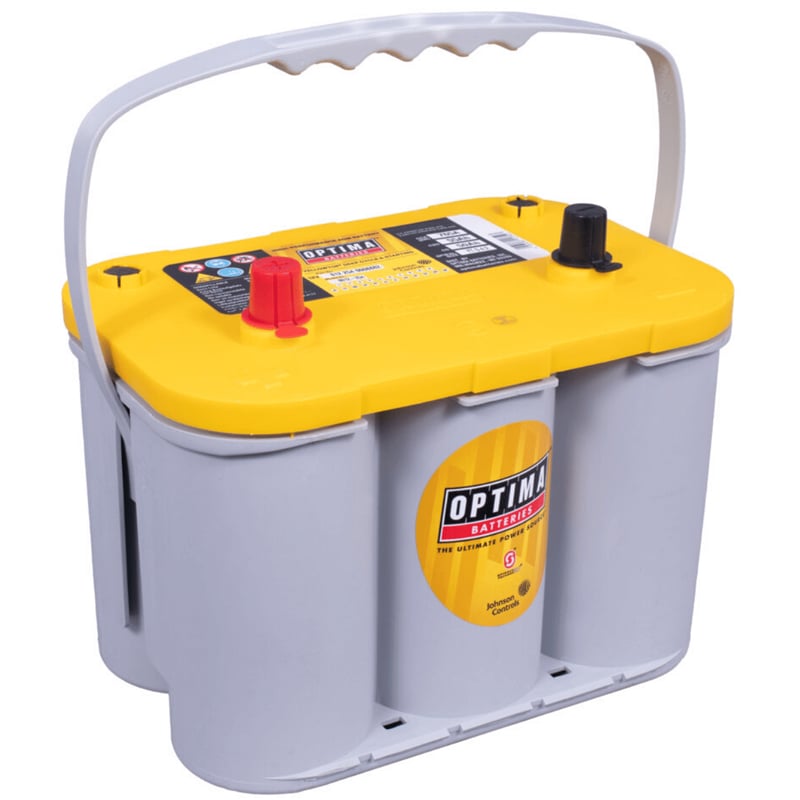
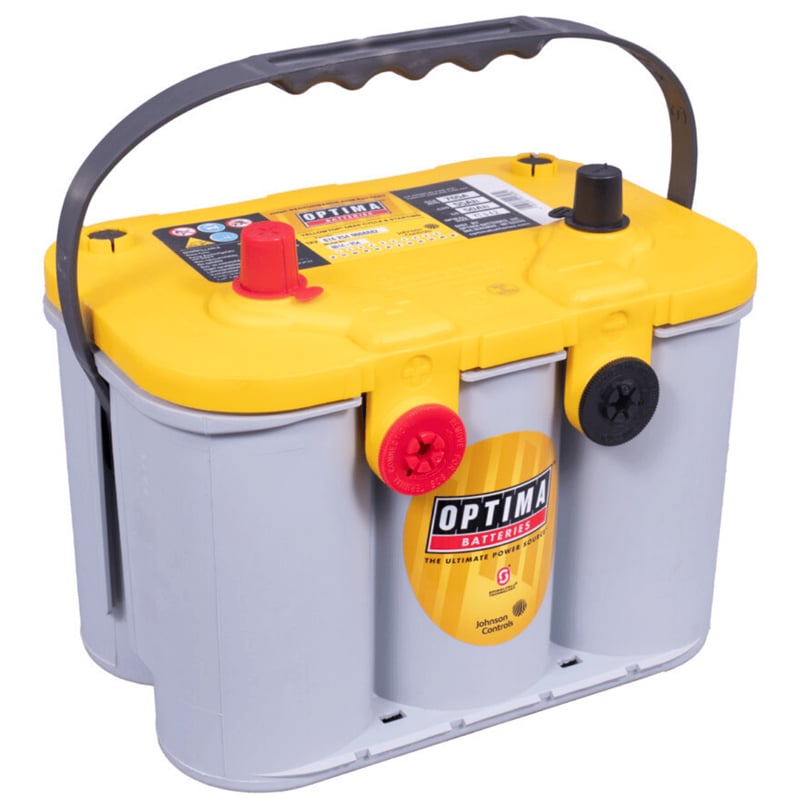
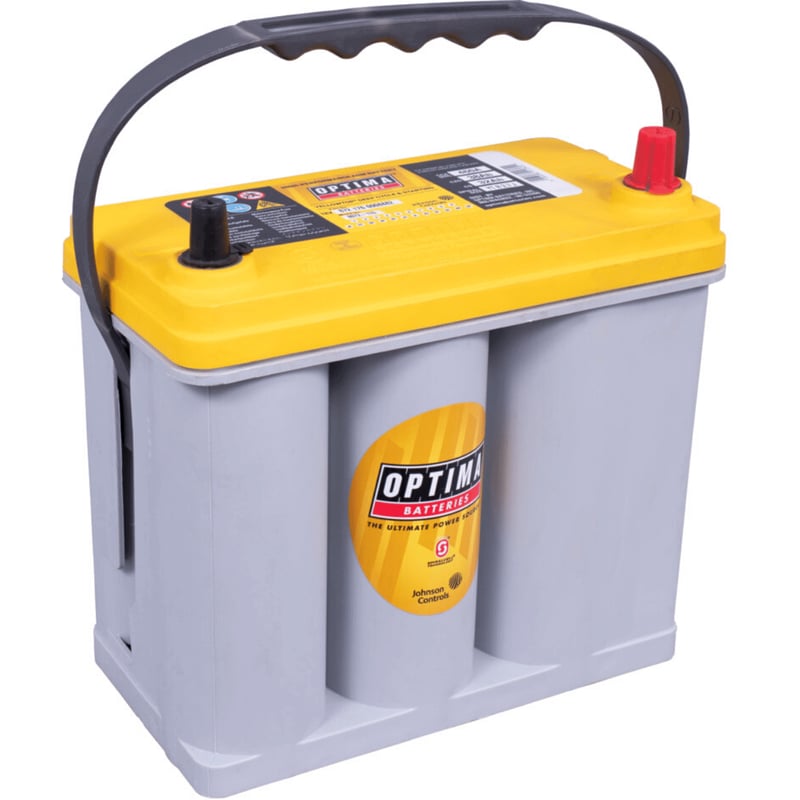
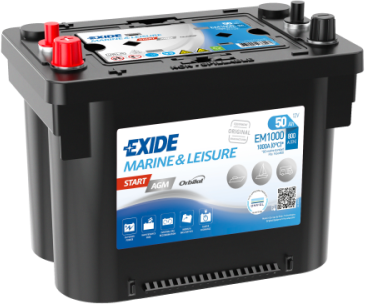
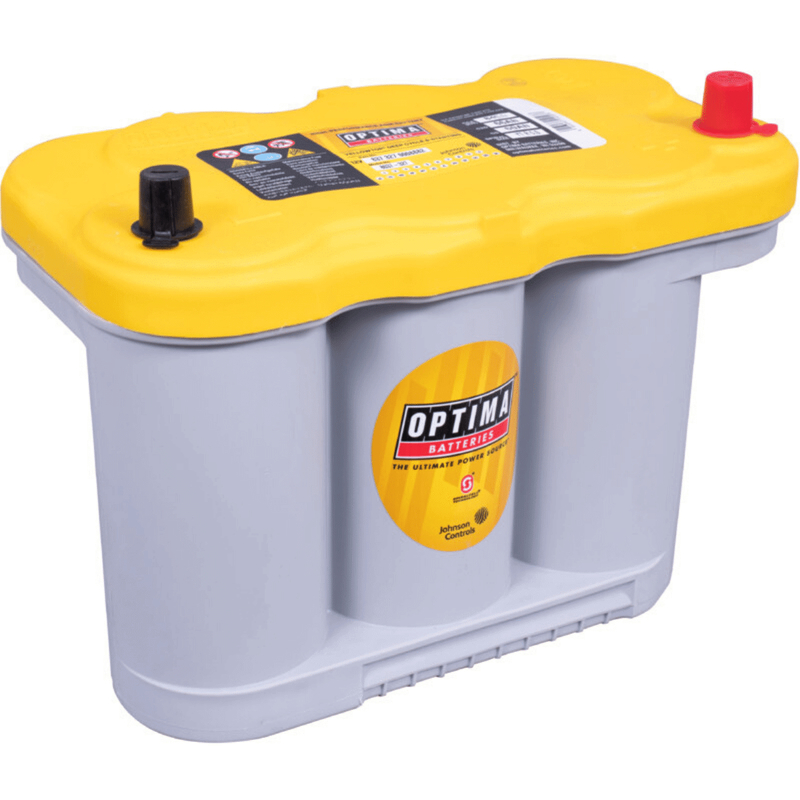
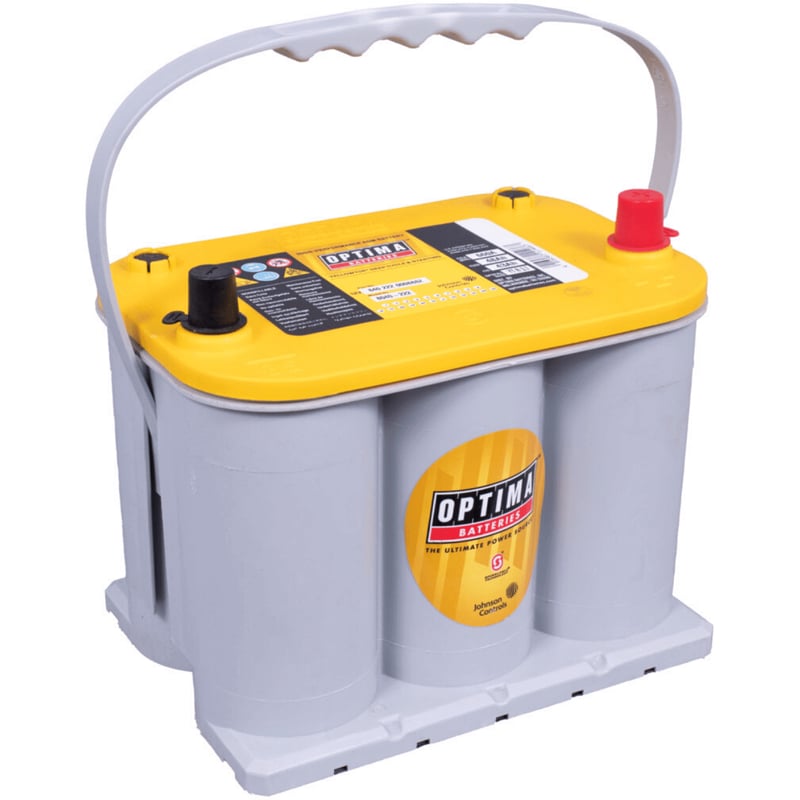
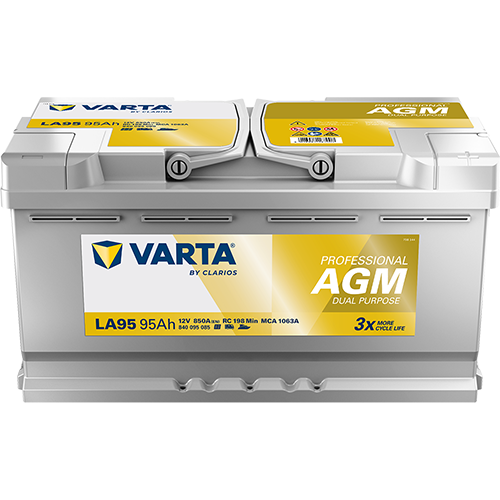
Manufacturers such asVoltic,Varta,Optima, andExidehave optimized variants in their range for different applications.

The most important properties of AGM batteries at a glance:

  • Maintenance-free
  • Leak-proof, even if damaged
  • Top models can withstand three times the number of charging cycles compared to conventional lead-acid starter batteries
  • High cold start values and deep discharges of up to 80 percent possible
  • Available as a starter and supply battery

What is an AGM battery (VRLA)?

An AGM battery(absorbent glass mat) is an advanced lead-acid accumulator. The technology is based on an absorbent glass mat, in which the electrolyte is completely bound and acts as an electrical conductor.

Sulphuric acid diluted with water is used as the electrolyte. The mat made of micro glass fibers absorbs the battery acid, holds it like a sponge, ensures continuous contact between the plates and the electrolyte and thus guarantees cycle stability.

The advanced technology offers high efficiency, safety and a longer service life than other lead-acid batteries.

What is the active material?

The chemically active substances responsible for energy storage are at the heart of the electrode. They are referred to as the active material . In the positive plates, the active material consists of lead dioxide, in the negative plates of lead sponge. When the circuit is closed, these two materials react with the sulphuric acid. The formula applies during charging and discharging:

PbO2 + Pb + 2H2SO4 = 2PbSO4 + 2H2O.

Properties of VRLA batteries

The accumulators are VRLA batteries(valve-regulatedlead-acid) and integrate a pressure relief valve. In the event of severe overcharging, the valve triggers and the battery is defective. Gel and AGM batteries share the following characteristics:

  • The cells are welded shut.
  • The electrolyte is not liquid and the housing is sealed.
  • They are leak-proof and can be used in an inclined position.
  • They also function under strong vibrations and are suitable for demanding application scenarios, such as on boats.

Why are VRLA batteries maintenance-free?

When lead-acid batteries are charged and discharged, hydrogen is produced, which escapes over time in classic wet batteries and requires topping up with distilled water. With VRLA batteries, the hydrogen produced is recombined internally, there are no openings for topping up and the batteries are therefore maintenance-free.

Charging capacity and service life of the battery

The greater the capacity, the larger the design and the higher the purchase price. The charging capacity indicates the amount of electrical charge that is stored according to the manufacturer's specifications.

It is given as a nominal capacity in ampere hours (Ah). For example, a 12V lead-acid battery with a capacity of 75 Ah can supply 5 amperes of current for 15 hours (15 h x 5 A = 75 ampere hours). AGM batteries can be discharged to around 50 to 80 percent without losing capacity due to harmful deep discharge. AGM batteries with a capacity of 100Ah and 120Ah are particularly popular.

The number of charge-discharge cycles indicates the service life. For conventional wet batteries, this is less than 400 cycles, while high-quality AGM batteries achieve around 1,000 cycles at 50 percent discharge. The batteries can withstand discharges of up to 80 percent relatively easily.

The advantages of 12V batteries with AGM technology

Compared to12V wet batteriesthe advanced rechargeable batteries achieve three times the number of charging cycles. The performance advantage is one of the most important criteria for the purchase. With their long service life, strong performance and high level of safety, they are the right choice for a wide range of applications. While 12V wet batteries should only be discharged to 50 percent, you can use up to 80 percent of the capacity of the AGM 100Ah 12V battery without damaging it through deep discharge.

Compared to12V gel batteries12V AGM batteries have a lower internal resistance and can deliver large amounts of current at short intervals. They are therefore suitable for use as starter batteries in cars, for example. Conventional gel batteries are designed for use as a supply battery. The number of cycles of gel batteries is around 500 cycles, AGM batteries achieve twice this number of cycles and can be recharged more quickly.

Compared to12V lithium batteriesthe cycle life is shorter, self-discharge is higher, the usable capacity is lower and the weight is higher. Lithium batteries are the ideal choice for storage batteries in motorhomes and on boats.

The advantages of AGM batteries 100Ah summarized:

  • Vibration-resistant and leak-proof
  • Maintenance-free
  • Operation in inclined position possible
  • Reliable
  • Good environmental compatibility
  • Higher number of charging cycles
  • Low self-discharge
  • Long service life
  • Excellent price-performance ratio

Application and areas of use of AGM batteries

These properties make non-woven batteries the preferred choice for starter batteries in various vehicles. You can use them in cars, motorhomes, motorcycles, quad bikes, boats and jet skis .

AGM car batteries are ideal for cars with start-stop systems, regenerative braking and additional consumers such as air conditioning. The batteries reliably supply energy to sophisticated vehicles with extensive equipment.

AGM car batteries are also the right choice for drivers who mainly cover short distances . The starting processes place a heavy load on them and there is little time available for recharging. If in doubt, you should choose a battery that is too large rather than too small. The larger battery does not change the charge balance, but the reserve is larger. The battery is then fully charged during a long-distance journey. To charge as quickly as possible, you should switch off current-hungry consumers as far as possible so that the alternator can feed in more current. The low internal resistance of AGM batteries is advantageous and fast charging is possible with very high currents.

As inclined positions are not a problem, AGM batteries are also ideal for off-road use and on sailing boats. If the boat capsizes, the sealed battery does not leak and remains functional.

Manufacturers also produce AGM supply batteries, for example for powering an electric motor in a boat. They are also the preferred choice in motorhomes and supply the various consumers with power. You can also connect them to aPV systemsystem.

Optimal maintenance of AGM batteries

A flat or faulty car battery is the number one cause of breakdowns in Germany. According to ADAC, the battery was the cause of around 40 percent of breakdowns in 2017. The reason is often poor care or replacing the battery too late. Correct treatment of the battery is a prerequisite for its longevity. Deep discharges and storage or use with a low state of charge are harmful.

Check the charge status and charge the AGM battery regularly

The VRLA battery must be charged regularly to maintain its charge capacity for as long as possible. If you do not use the battery for months or use it only rarely, it will slowly self-discharge. When not in use, you should therefore charge it with a charger to prevent deep discharge and a drop in battery voltage. For conventional lead-acid batteries, recharging is recommended every two months or so. Depending on the type, AGM batteries still have a capacity of 60 to 80 percent after six months at a temperature of around 20 °C. If you are not using the battery, it is recommended that you recharge it every nine months at the latest. Modern battery chargers integrate an automatic charging current control for gentle charging.

Check the state of charge (SOC) and the state of health (SOH). The SOC can be determined by measuring the voltage with a multimeter. To do this, set the measuring range to 20 volts and connect the cables to the battery terminals. The test should not be carried out directly after a charging process and the open-circuit voltage should be between 11.8 and 13.0 volts:

  • >12.8 volts: fully charged
  • 12.4 to 12.7 volts: well charged
  • 12.0 volts: heavily discharged
  • <11.8 volts: deeply discharged

Determining the SOH requires a complex test procedure and enables reliable statements to be made about the condition. Cold cranking ability (CCA), remaining capacity (Ah) and charge absorption (CA) are determined.

Summary & FAQs

  • Batteries with AGM technology are advanced lead-acid batteries, the electrolyte is completely bound in absorbent glass fleece.
  • They are maintenance-free, vibration-resistant, leak-proof and can be installed in an inclined position.
  • There is a choice of starter batteries and supply batteries with high cycle stability; selected models are suitable for both applications.

How deep can the AGM battery be discharged?

AGM batteries can be discharged to around 50 to 80 percent without losing capacity due to harmful deep discharge.

How long does an AGM battery last?

The specification is given as nominal capacity in ampere hours (Ah). For example, a 12V AGM battery with a capacity of 75 Ah can supply 5 amps of current for 15 hours (15 h x 5 A = 75 ampere hours).

How do you charge an AGM battery?

You can charge the AGM battery using our batterychargers especially for VRLA / AGM batteries batteries.

When is an AGM battery flat?

Check the state of charge by measuring the voltage with a multimeter. To do this, set the measuring range to 20 volts and connect the cables to the battery terminals. The test should not be carried out directly after a charging process. The AGM battery is heavily discharged at 12.0 volts and deeply discharged below 11.8 volts.

If you do not use the battery, we recommend recharging it every nine months at the latest.

When is an AGM battery full and well charged?

Check the state of charge by measuring the voltage with a multimeter. To do this, set the measuring range to 20 volts and connect the cables to the battery terminals. The test should not be carried out directly after a charging process. The AGM battery is well charged at 12.4 to 12.7 volts.

Compare the AGM batteries on offer and order the right model for your needs now from the Voltimax.de online store! You will also find a large selection ofsupply batteriesandcar batteries.