
Solarbatterien


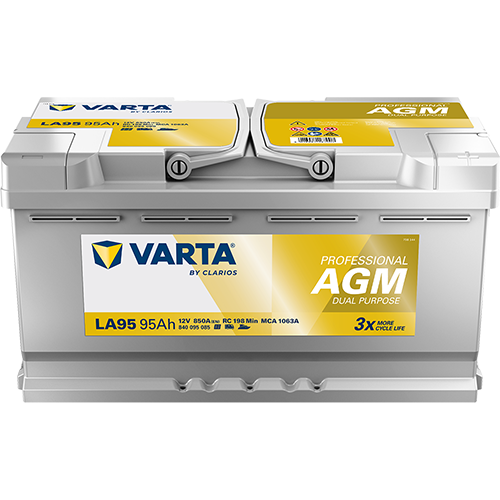

- Capacity (Ah):95 Ah
- Tension:12V
- Dimensions (L x W x H):353 x 175 x 190 mm
- Battery technology::AGM (VRLA)
Delivery time approx. 30 days
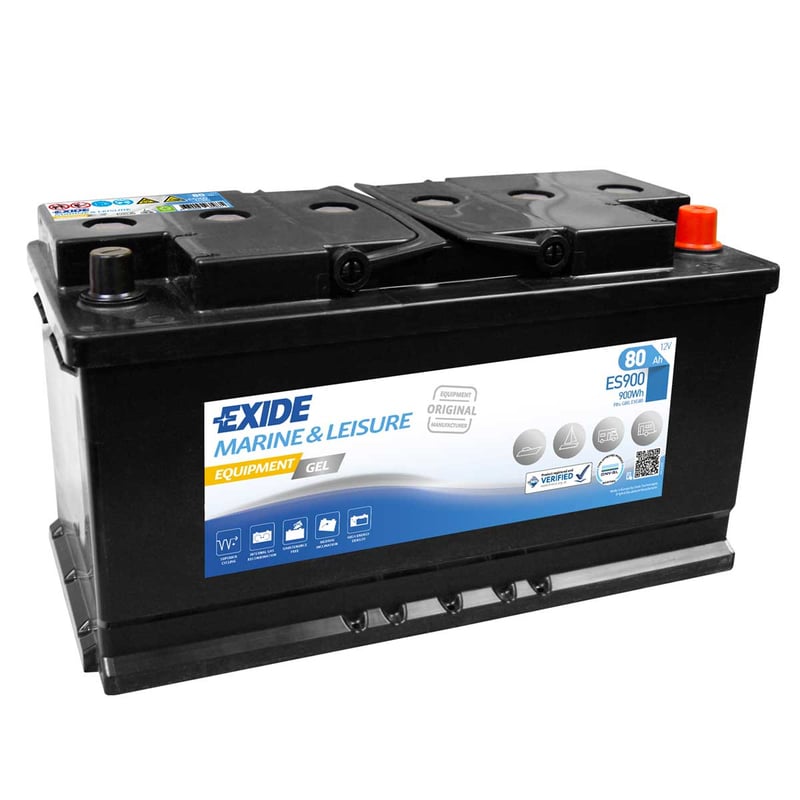

- Capacity (Ah):80 Ah
- Kapazität (Wh):900 Wh
- Tension:12V
- Dimensions (L x W x H):353 x 175 x 190 mm
- Battery technology::GEL (VRLA)
delivery time: Immediately
In Stock
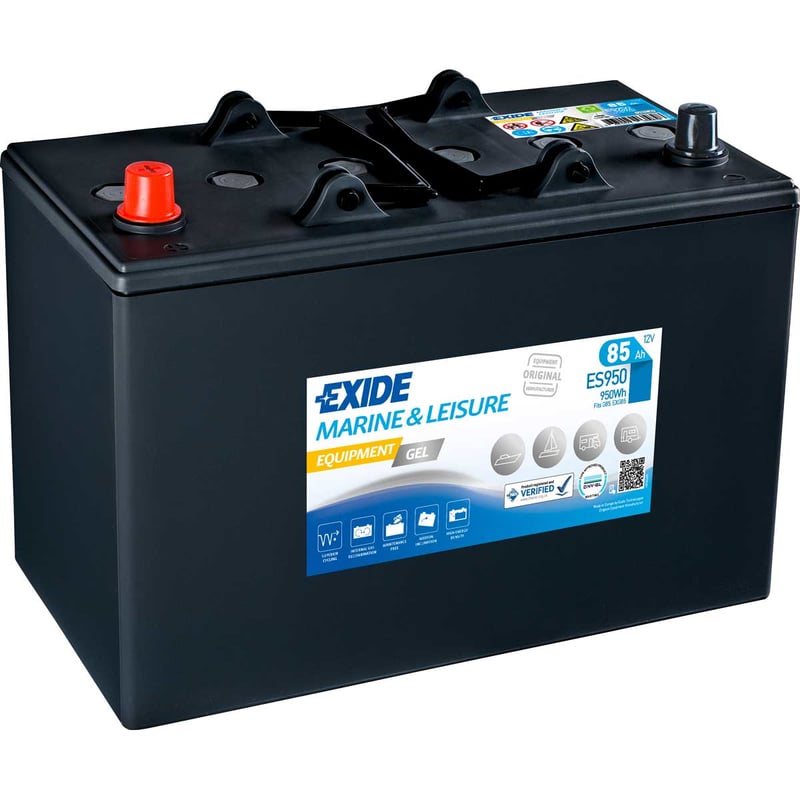
- Capacity (Ah):85 Ah
- Kapazität (Wh):950 Wh
- Tension:12V
- Dimensions (L x W x H):330 x 171 x 236 mm
- Battery technology::GEL (VRLA)
delivery time: Immediately
In Stock
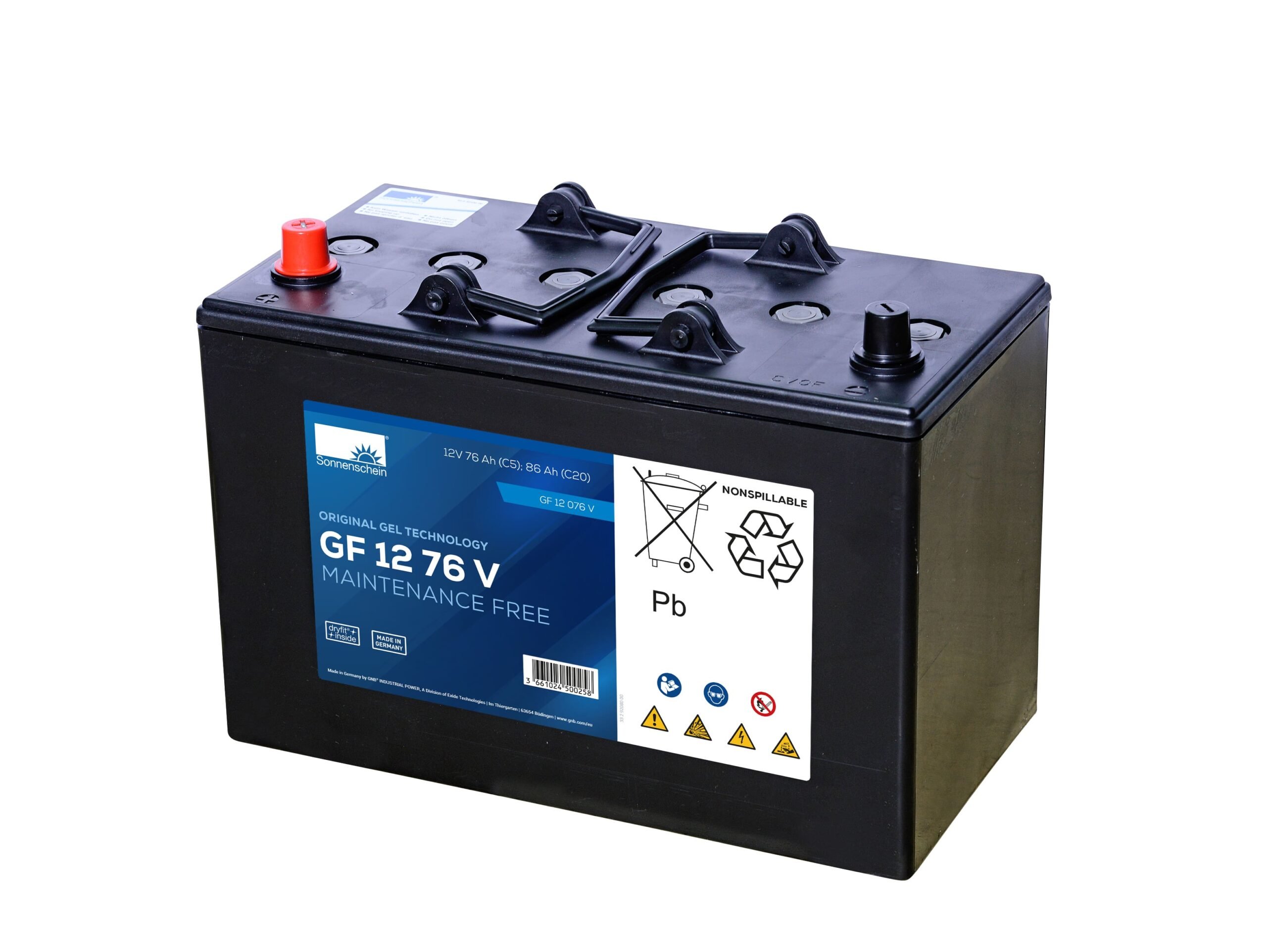

- Capacity (Ah):86 Ah
- Tension:12V
- Dimensions (L x W x H):330 x 171 x 236 mm
- Battery technology::GEL (VRLA)
Delivery time approx. 30 days

- Capacity (Ah):195 Ah
- Kapazität (Wh):1000 Wh
- Tension:6V
- Dimensions (L x W x H):244 x 190 x 275 mm
- Battery technology::GEL (VRLA)
Delivery time approx. 18 days
Not in Stock
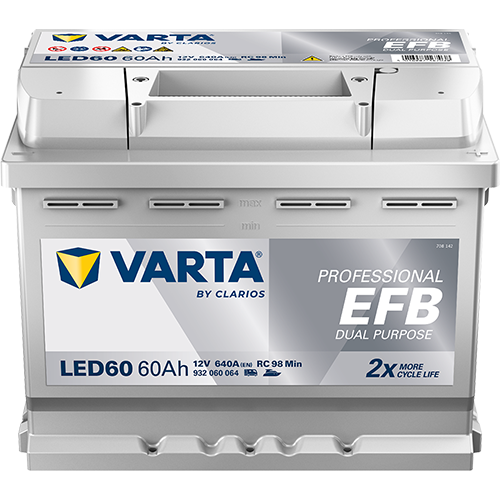
- Capacity (Ah):60 Ah
- Tension:12V
- Dimensions (L x W x H):242 x 175 x 190 mm
- Battery technology::EFB (Flüssig)
delivery time: Immediately
In Stock

- Capacity (Ah):80 Ah
- Kapazität (Wh):960 Wh
- Tension:12V
- Dimensions (L x W x H):315 x 175 x 190 mm
- Battery technology::AGM (VRLA)
Delivery time approx. 30 days
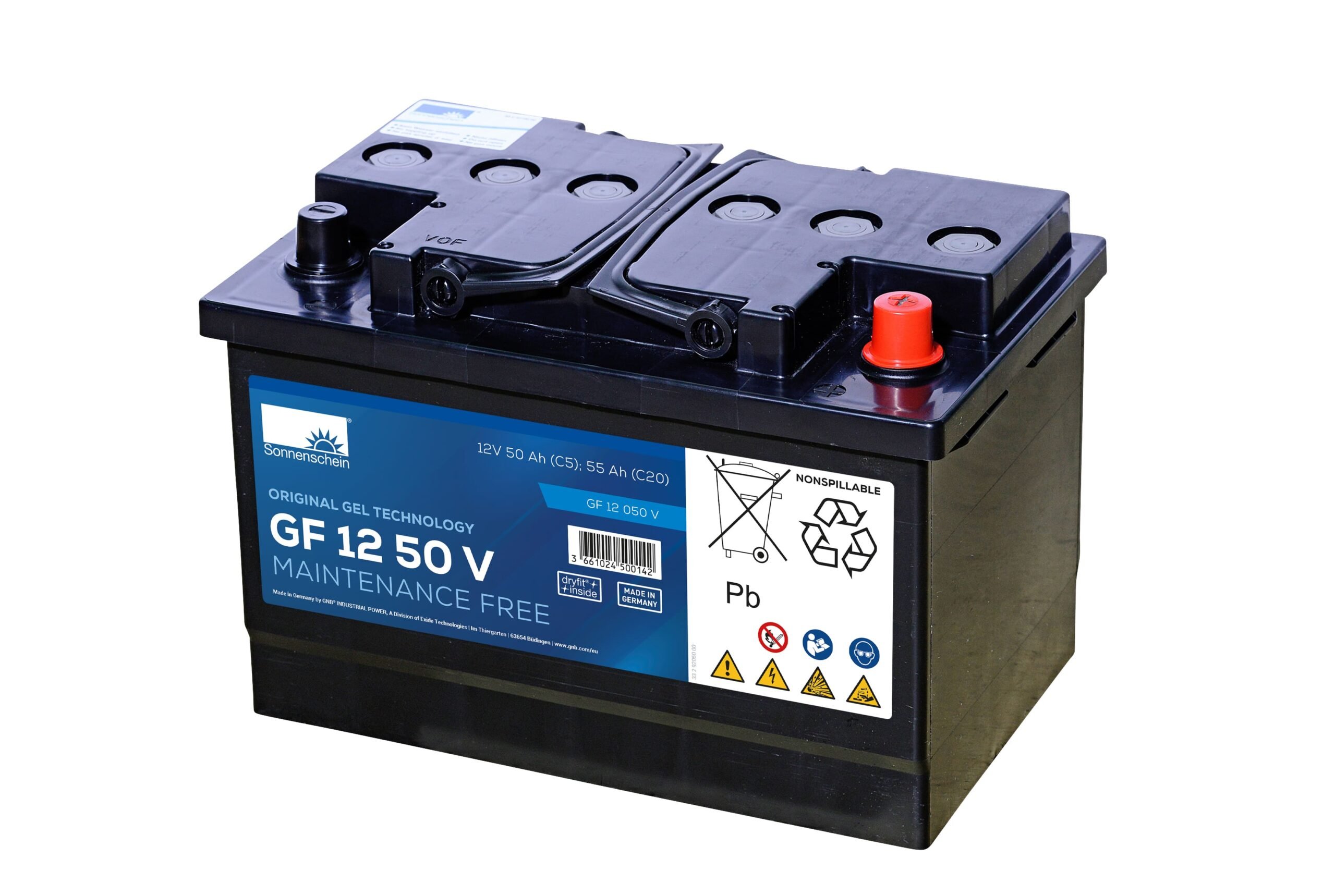
- Capacity (Ah):55 Ah
- Tension:12V
- Dimensions (L x W x H):278 x 175 x 190 mm
- Battery technology::GEL (VRLA)
Delivery time approx. 30 days
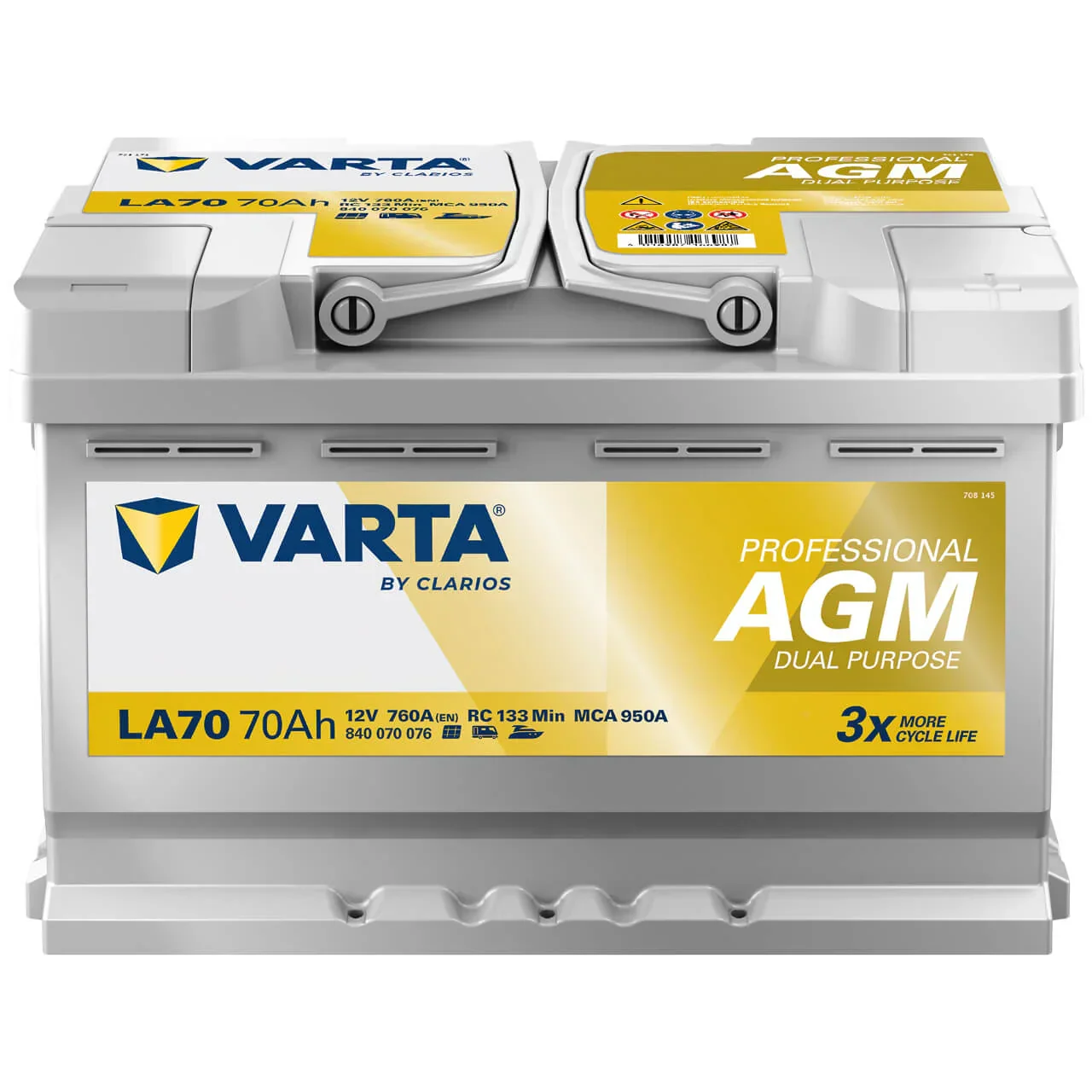
- Capacity (Ah):70 Ah
- Kapazität (Wh):840 Wh
- Tension:12V
- Dimensions (L x W x H):278 x 175 x 190 mm
- Battery technology::AGM (VRLA)
delivery time: Immediately
In Stock
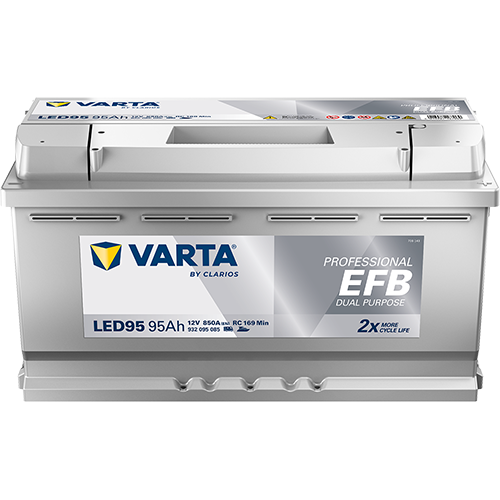
- Capacity (Ah):95 Ah
- Tension:12V
- Dimensions (L x W x H):353 x 175 x 190 mm
- Battery technology::EFB (Flüssig)
delivery time: Immediately
In Stock
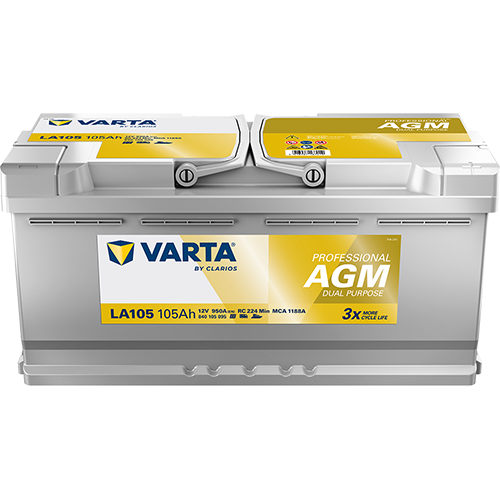
- Capacity (Ah):105 Ah
- Tension:12V
- Dimensions (L x W x H):392 x 175 x 190 mm
- Battery technology::AGM (VRLA)
delivery time: Immediately
In Stock
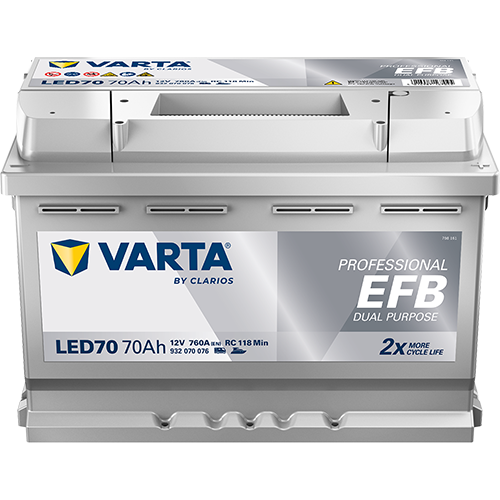
- Capacity (Ah):70 Ah
- Tension:12V
- Dimensions (L x W x H):278 x 175 x 190 mm
- Battery technology::EFB (Flüssig)
delivery time: Immediately
Only %product.stock% In Stock

- Capacity (Ah):200 Ah
- Tension:6V
- Dimensions (L x W x H):246 x 192 x 275 mm
- Battery technology::GEL (VRLA)
Delivery time approx. 30 days
Not in Stock
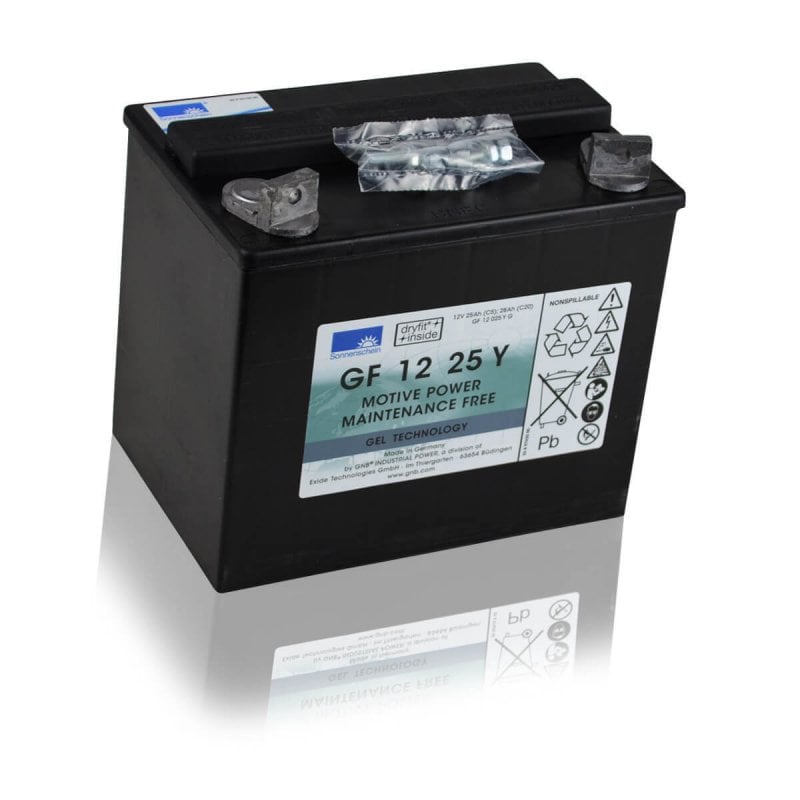
- Capacity (Ah):28 Ah
- Tension:12V
- Dimensions (L x W x H):197 x 132 x 180 mm
- Battery technology::GEL (VRLA)
delivery time: Immediately
In Stock
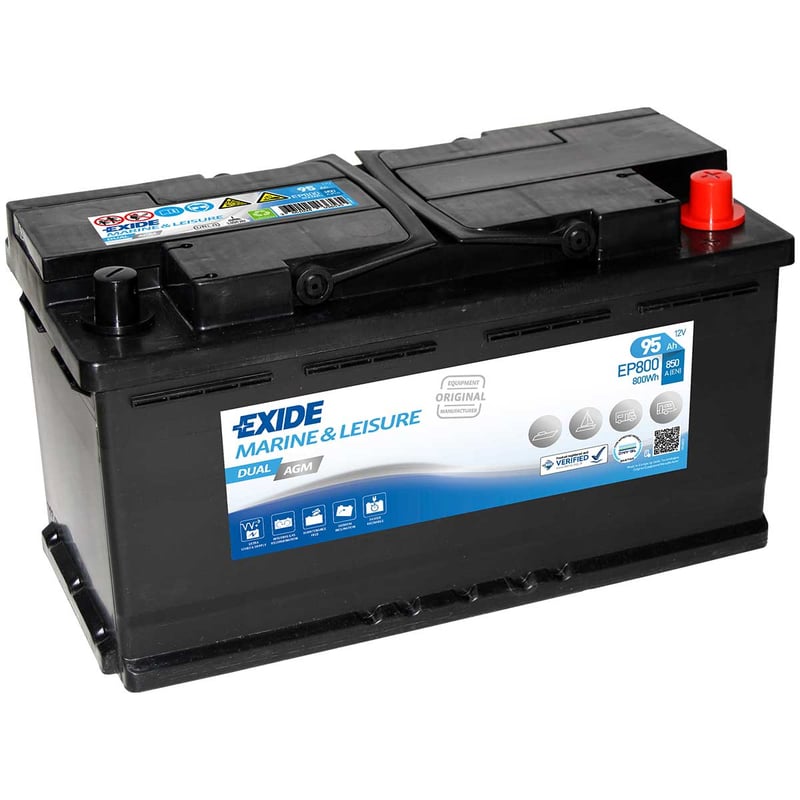
- Capacity (Ah):95 Ah
- Kapazität (Wh):800 Wh
- Tension:12V
- Dimensions (L x W x H):353 x 175 x 190 mm
- Battery technology::AGM (VRLA)
delivery time: Immediately
In Stock
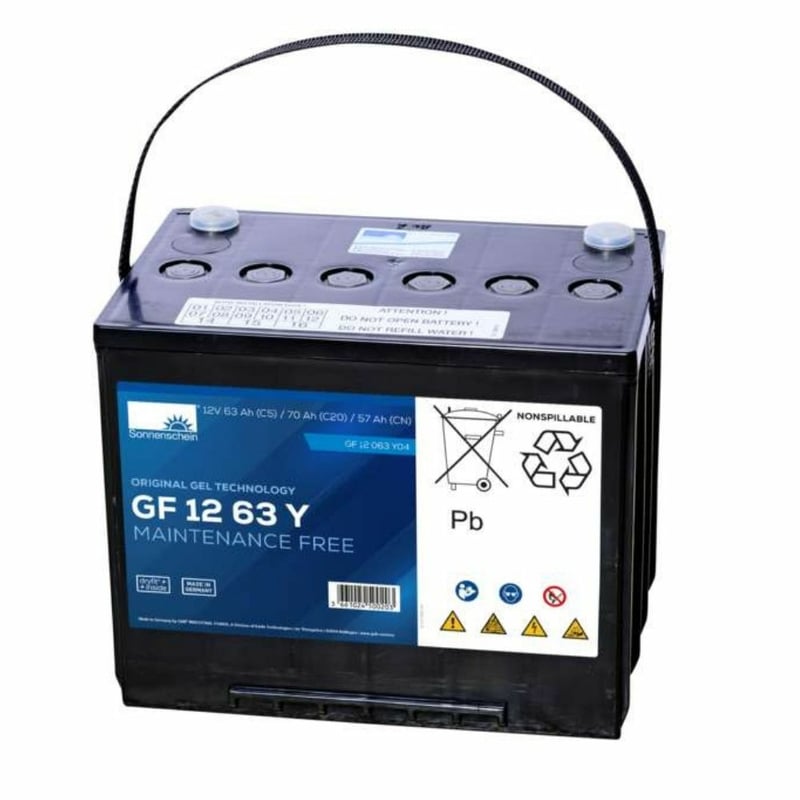
- Capacity (Ah):70 Ah
- Tension:12V
- Dimensions (L x W x H):261 x 171 x 210 mm
- Battery technology::GEL (VRLA)
delivery time: Immediately
Only %product.stock% In Stock


- Capacity (Ah):75 Ah
- Tension:12V
- Dimensions (L x W x H):325 x 165 x 238 mm
- Battery technology::AGM (VRLA)
delivery time: Immediately
In Stock
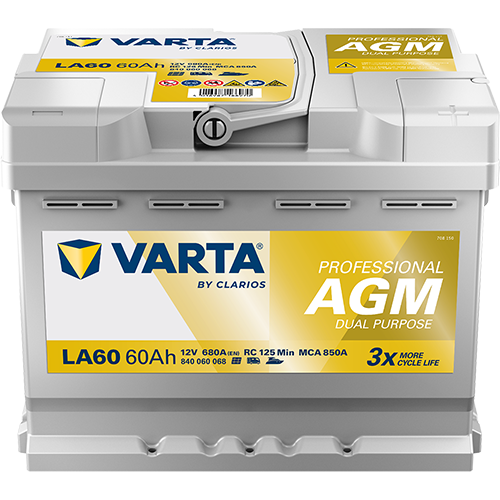
- Capacity (Ah):60 Ah
- Tension:12V
- Dimensions (L x W x H):242 x 175 x 190 mm
- Battery technology::AGM (VRLA)
delivery time: Immediately
In Stock

- Capacity (Ah):24 Ah
- Tension:12V
- Dimensions (L x W x H):167 x 176 x 126 mm
- Battery technology::GEL (VRLA)
Delivery time approx. 30 days
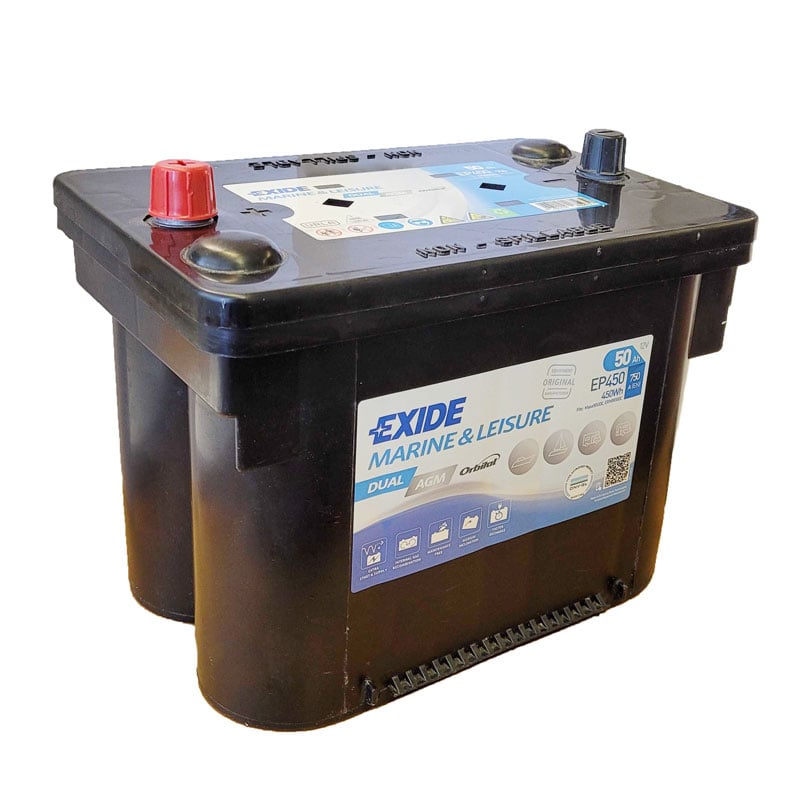
- Capacity (Ah):50 Ah
- Kapazität (Wh):450 Wh
- Tension:12V
- Dimensions (L x W x H):260 x 173 x 206 mm
- Battery technology::AGM (VRLA)
delivery time: Immediately
Only %product.stock% In Stock
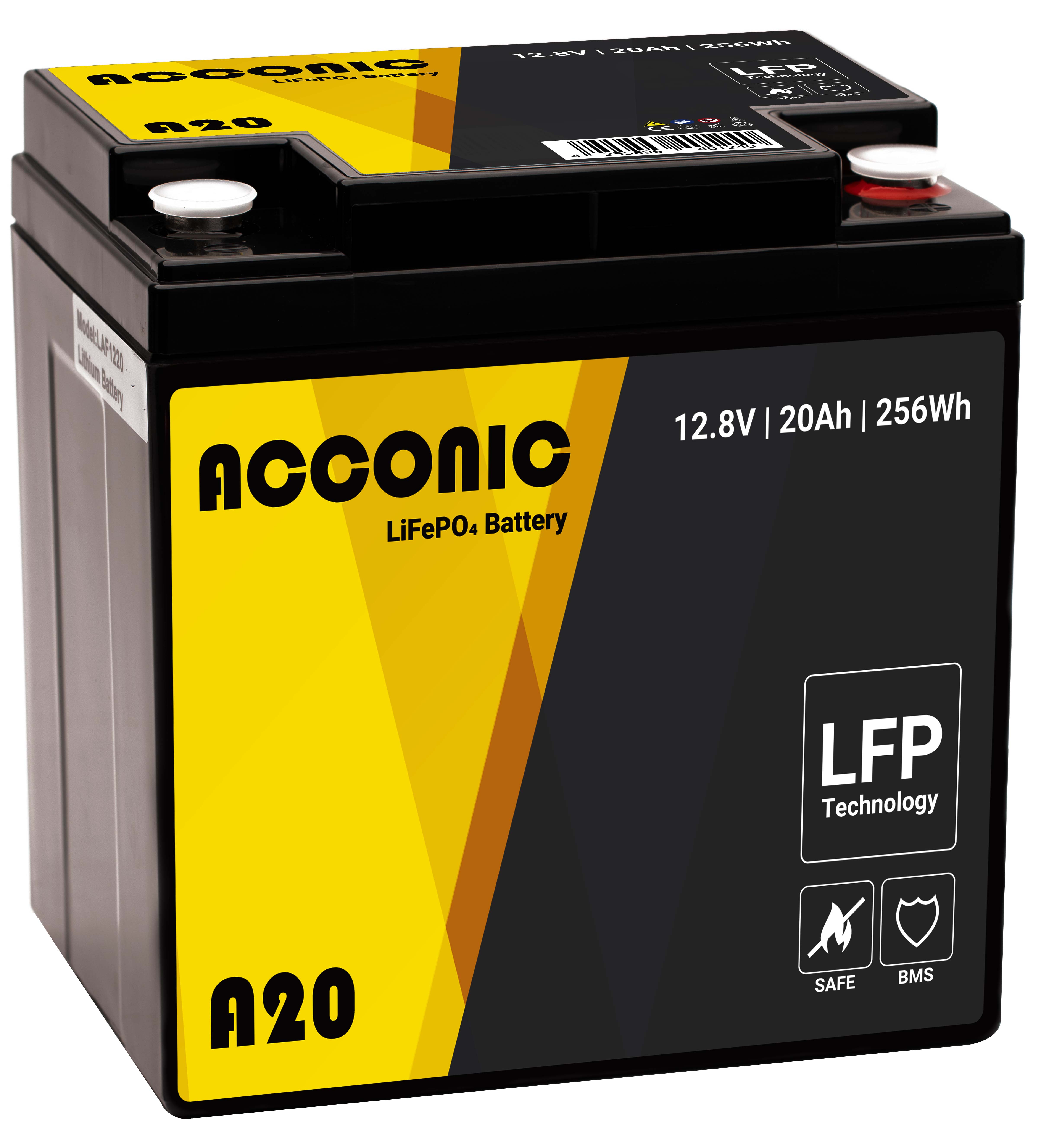

- Capacity (Ah):20 Ah
- Kapazität (Wh):256 Wh
- Tension:12V
- Dimensions (L x W x H):166 x 126 x 175 mm
- Battery technology::LiFePO4 (Lithium-Eisenphosphat)
delivery time: Immediately
In Stock
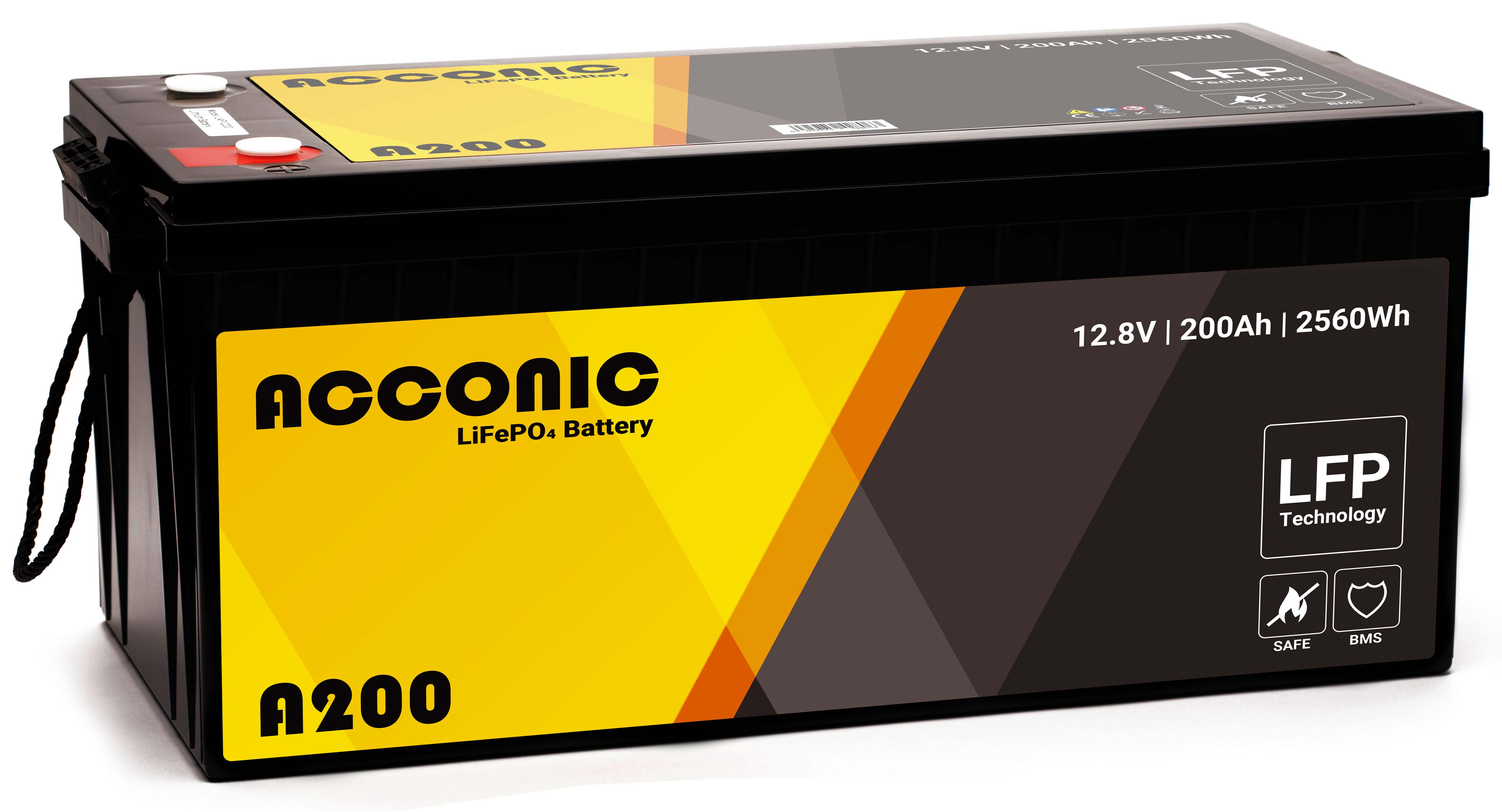
- Capacity (Ah):200 Ah
- Kapazität (Wh):2560 Wh
- Tension:12V
- Dimensions (L x W x H):520 x 240 x 228 mm
- Battery technology::LiFePO4 (Lithium-Eisenphosphat)
delivery time: Immediately
In Stock
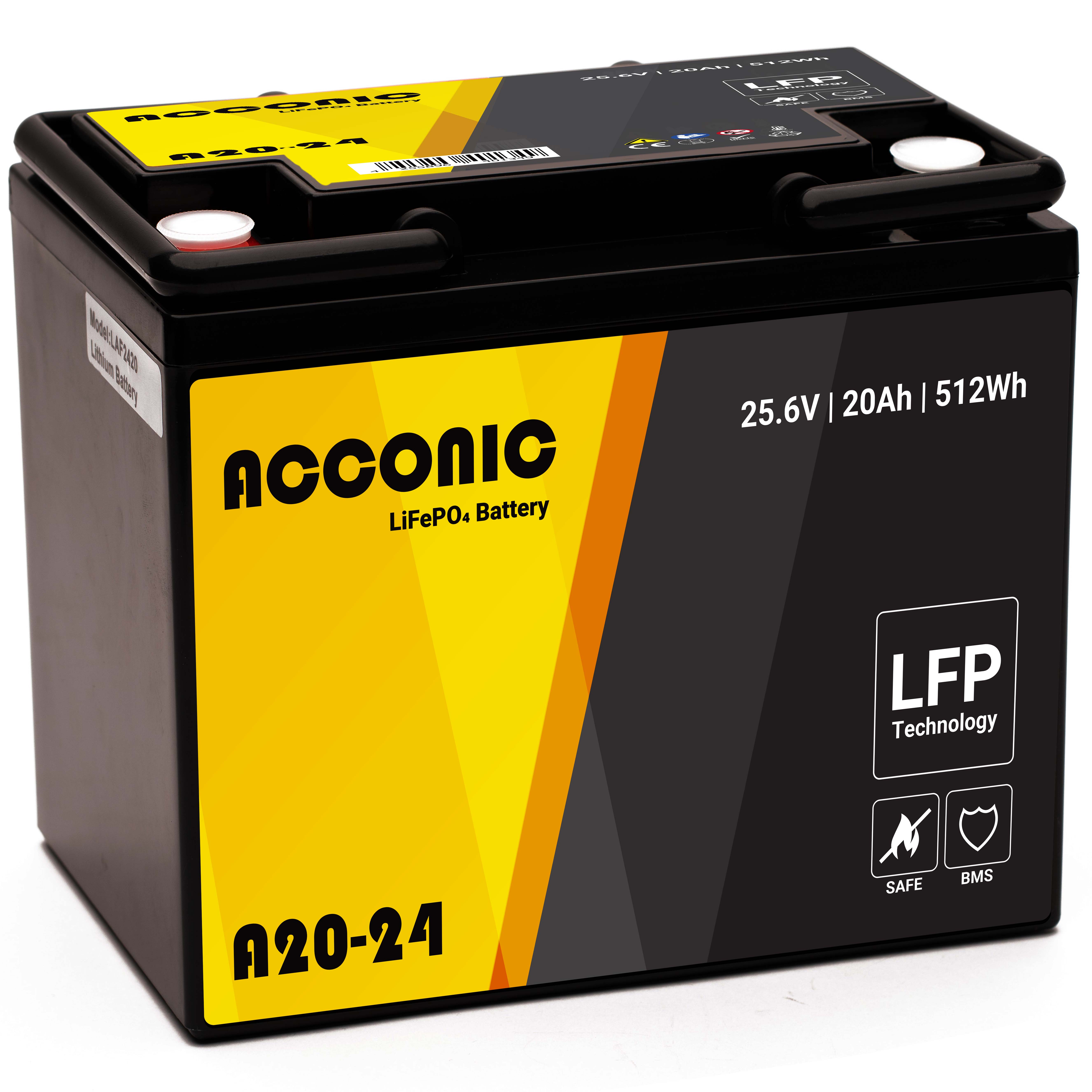
- Capacity (Ah):20 Ah
- Kapazität (Wh):512 Wh
- Tension:24V
- Dimensions (L x W x H):195 x 131 x 171 mm
- Battery technology::LiFePO4 (Lithium-Eisenphosphat)
Delivery time approx. 30 days
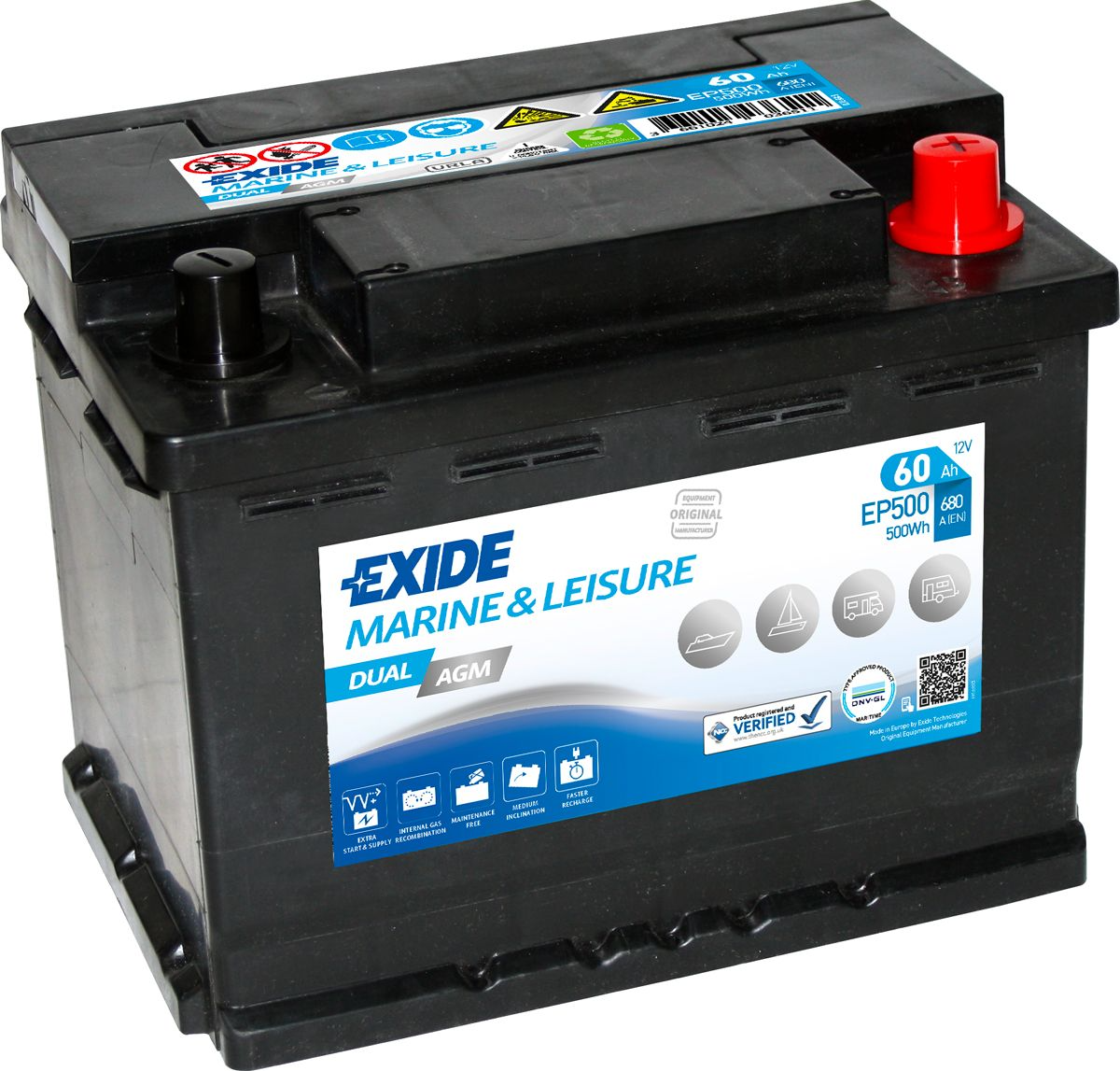
- Capacity (Ah):60 Ah
- Tension:12V
- Dimensions (L x W x H):242 x 175 x 190 mm
- Battery technology::AGM (VRLA)
delivery time: Immediately
In Stock
Solarbatterien – Zuverlässige Energiespeicher für autarke Stromversorgung
Solarbatterien sind das Herzstück jeder Photovoltaik-Anlage und sorgen dafür, dass selbst erzeugter Solarstrom effizient gespeichert und jederzeit genutzt werden kann. Ob für Wohnmobil, Boot, Gartenhaus, Inselanlage oder Off-Grid-Systeme – mit einer leistungsstarken Solarbatterie sichern Sie sich maximale Unabhängigkeit vom Stromnetz.
Unsere Versorgungsbatterien für Solaranlagen sind speziell für den zyklischen Betrieb ausgelegt und eignen sich ideal für die Kombination mit Solarmodulen, Ladereglern und Wechselrichtern. Je nach Anforderung bieten wir unterschiedliche Batterietechnologien, die sich durch hohe Zyklenfestigkeit, lange Lebensdauer und zuverlässige Leistung auszeichnen.
Solarbatterien ermöglichen es, überschüssige Energie tagsüber zu speichern und sie genau dann zu nutzen, wenn sie gebraucht wird – nachts, bei schlechtem Wetter oder unterwegs. Dadurch steigern Sie den Eigenverbrauch Ihres Solarstroms und erhöhen die Effizienz Ihrer Solaranlage deutlich.
Vorteile von Solarbatterien auf einen Blick:
- Effiziente Speicherung von Solarstrom
- Hohe Zyklenfestigkeit für dauerhaften Einsatz
- Ideal für Off-Grid-, Insel- und Hybrid-Solaranlagen
- Zuverlässige Energieversorgung bei Tag und Nacht
- Perfekt für Wohnmobil, Boot, Gartenhaus & autarke Systeme
Mit einer hochwertigen Solarbatterie schaffen Sie die Grundlage für eine nachhaltige, zuverlässige und flexible Stromversorgung. Entdecken Sie jetzt unser Sortiment an Solarbatterien und finden Sie die passende Lösung für Ihr individuelles Solarprojekt.