
Wohnmobil Batterien


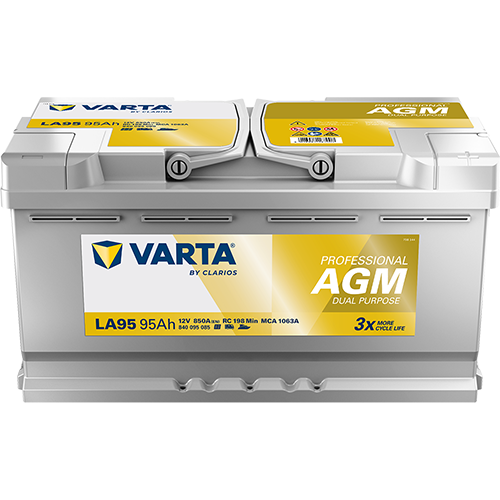

- Capacity (Ah):95 Ah
- Tension:12V
- Dimensions (L x W x H):353 x 175 x 190 mm
- Battery technology::AGM (VRLA)
Delivery time approx. 30 days
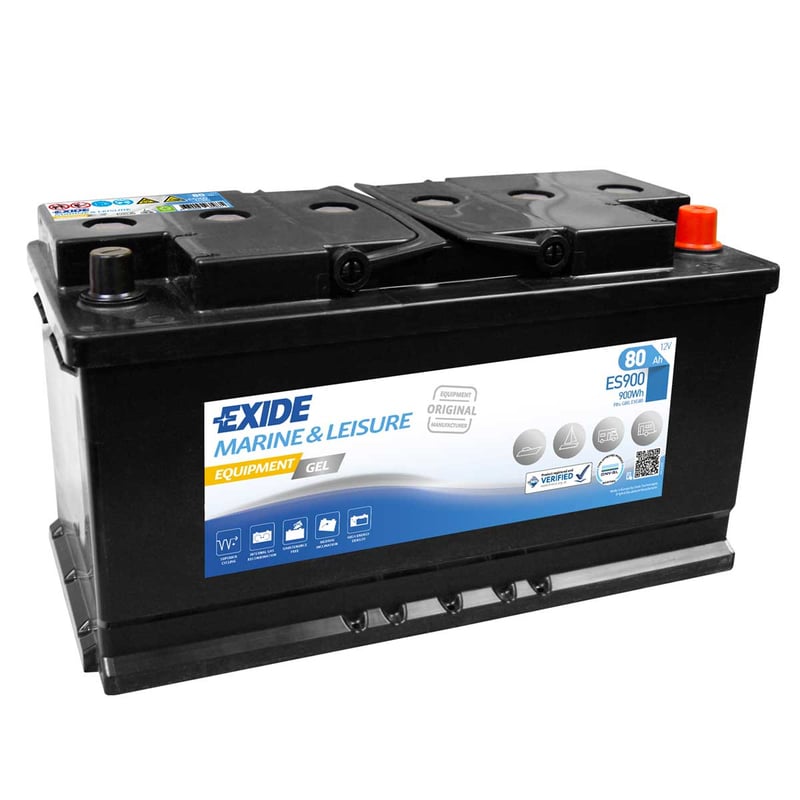

- Capacity (Ah):80 Ah
- Kapazität (Wh):900 Wh
- Tension:12V
- Dimensions (L x W x H):353 x 175 x 190 mm
- Battery technology::GEL (VRLA)
delivery time: Immediately
In Stock
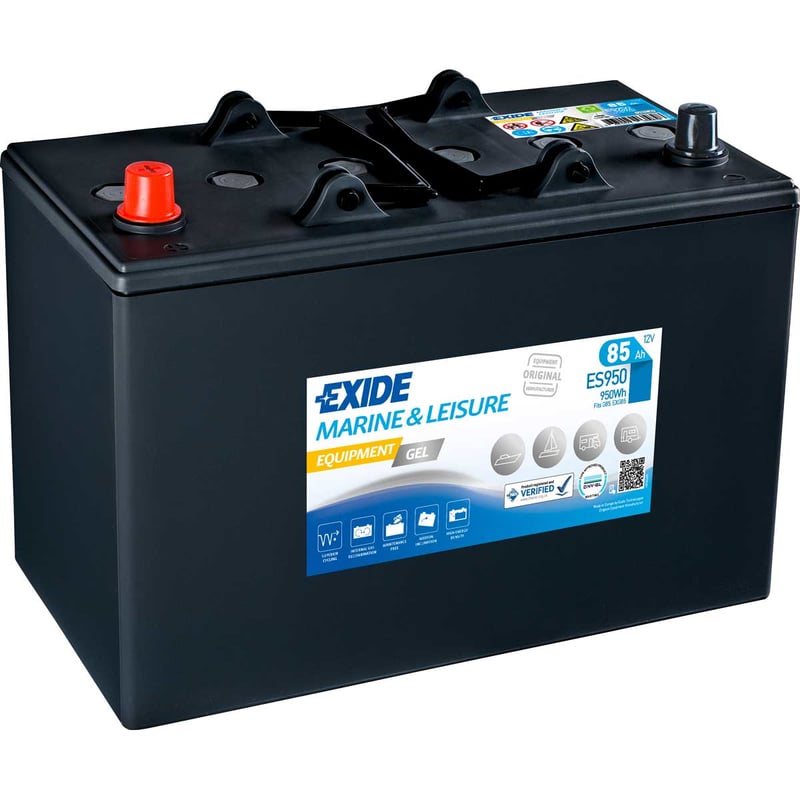
- Capacity (Ah):85 Ah
- Kapazität (Wh):950 Wh
- Tension:12V
- Dimensions (L x W x H):330 x 171 x 236 mm
- Battery technology::GEL (VRLA)
delivery time: Immediately
In Stock
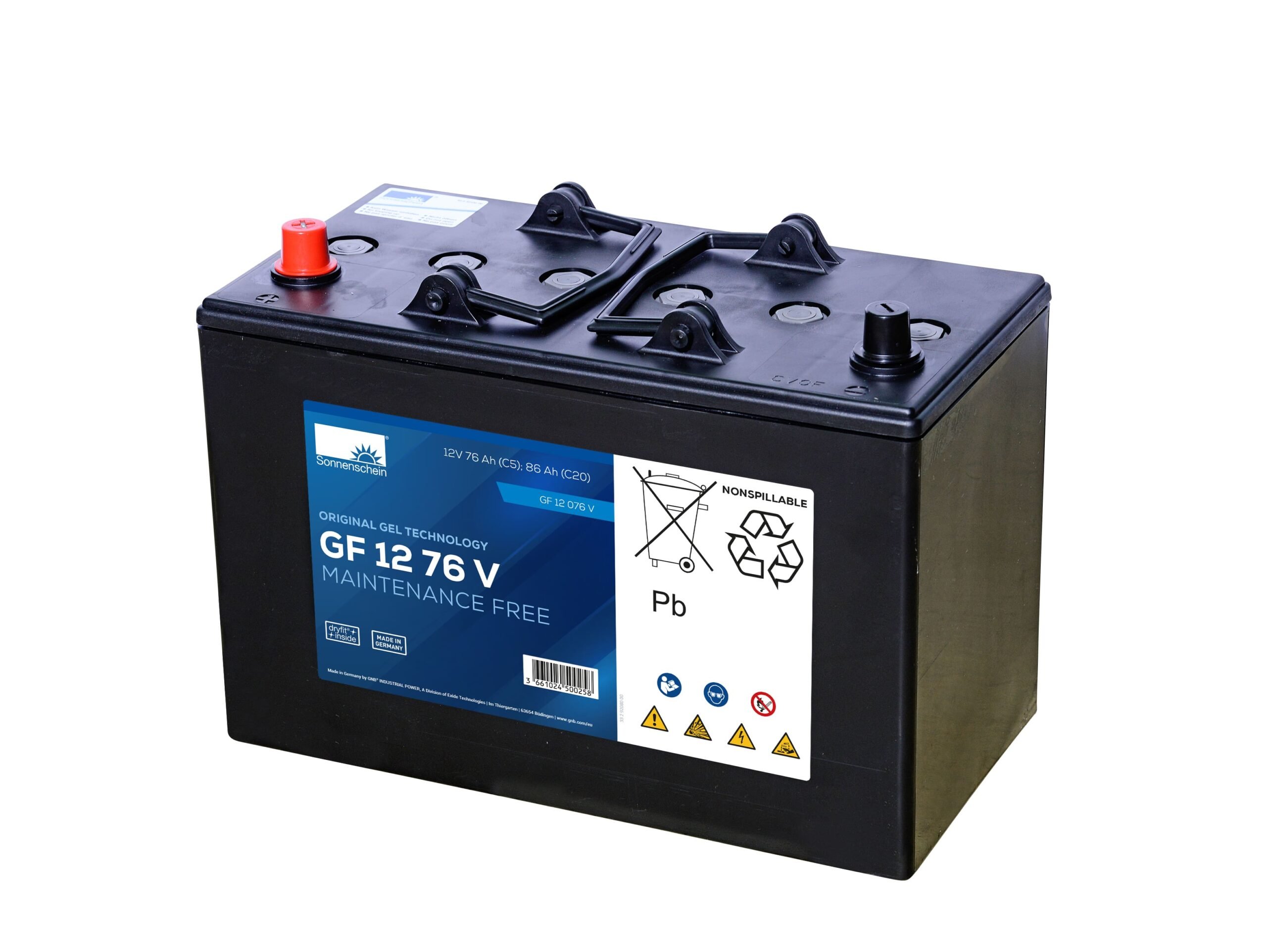

- Capacity (Ah):86 Ah
- Tension:12V
- Dimensions (L x W x H):330 x 171 x 236 mm
- Battery technology::GEL (VRLA)
Delivery time approx. 30 days

- Capacity (Ah):195 Ah
- Kapazität (Wh):1000 Wh
- Tension:6V
- Dimensions (L x W x H):244 x 190 x 275 mm
- Battery technology::GEL (VRLA)
Delivery time approx. 18 days
Not in Stock
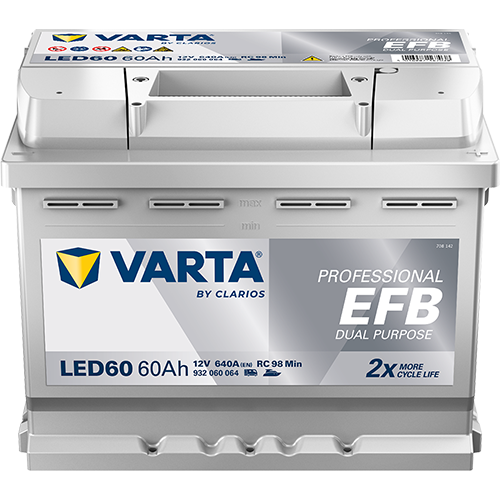
- Capacity (Ah):60 Ah
- Tension:12V
- Dimensions (L x W x H):242 x 175 x 190 mm
- Battery technology::EFB (Flüssig)
delivery time: Immediately
In Stock

- Capacity (Ah):80 Ah
- Kapazität (Wh):960 Wh
- Tension:12V
- Dimensions (L x W x H):315 x 175 x 190 mm
- Battery technology::AGM (VRLA)
Delivery time approx. 30 days
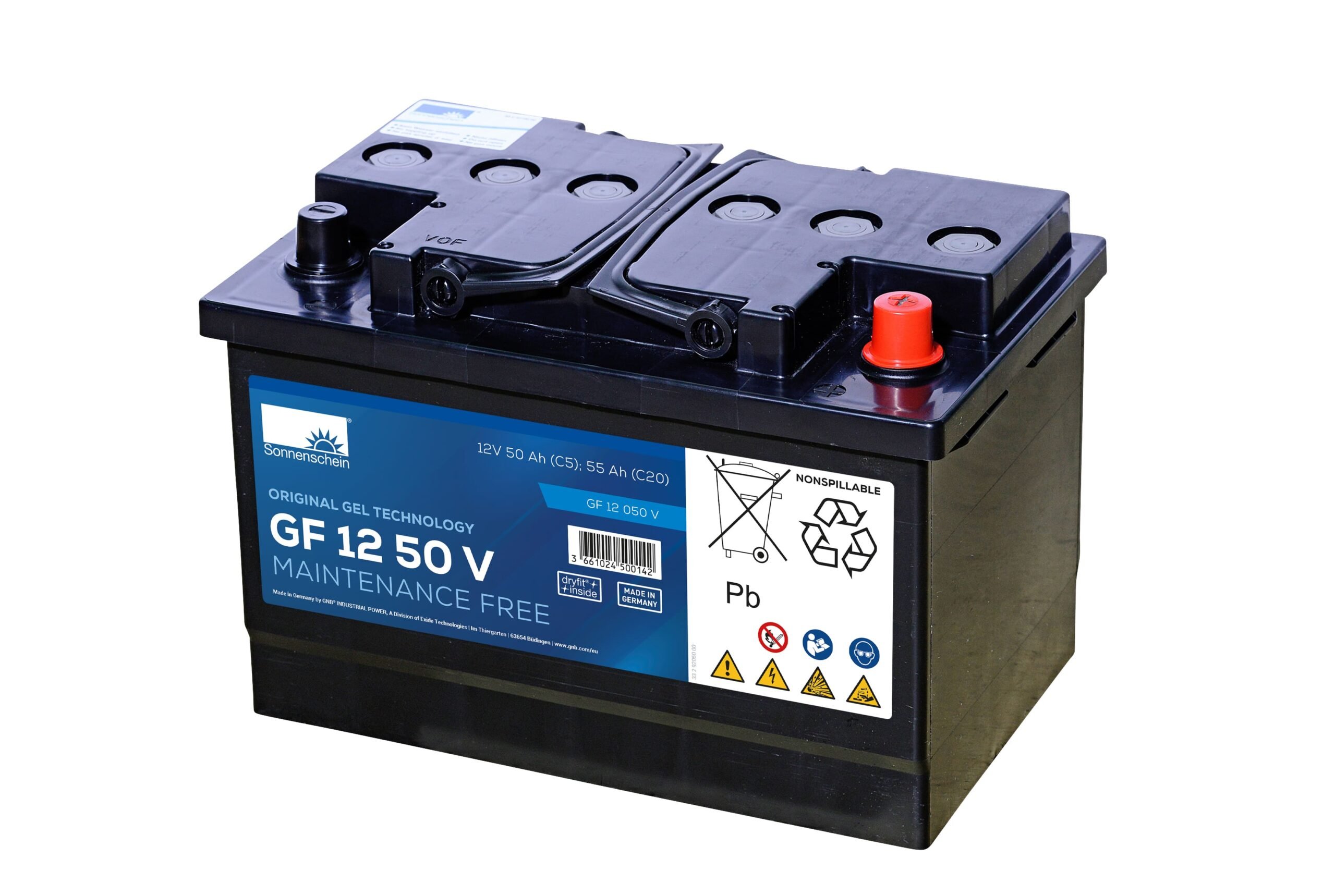
- Capacity (Ah):55 Ah
- Tension:12V
- Dimensions (L x W x H):278 x 175 x 190 mm
- Battery technology::GEL (VRLA)
Delivery time approx. 30 days
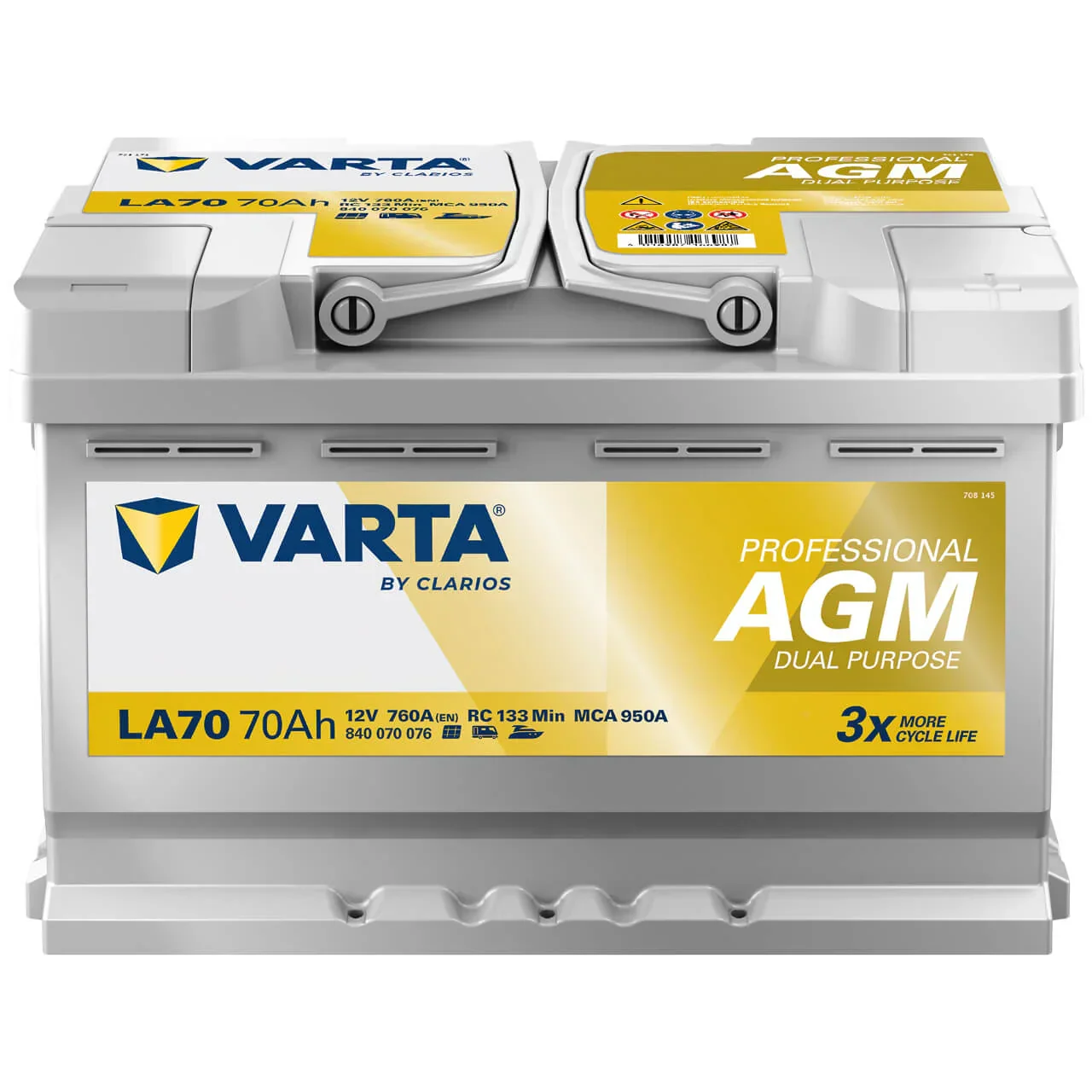
- Capacity (Ah):70 Ah
- Kapazität (Wh):840 Wh
- Tension:12V
- Dimensions (L x W x H):278 x 175 x 190 mm
- Battery technology::AGM (VRLA)
delivery time: Immediately
In Stock
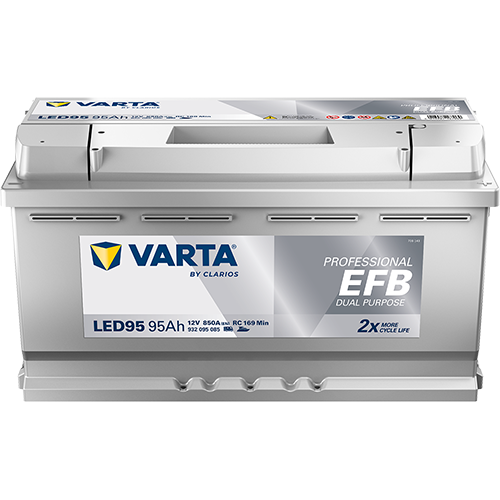
- Capacity (Ah):95 Ah
- Tension:12V
- Dimensions (L x W x H):353 x 175 x 190 mm
- Battery technology::EFB (Flüssig)
delivery time: Immediately
In Stock
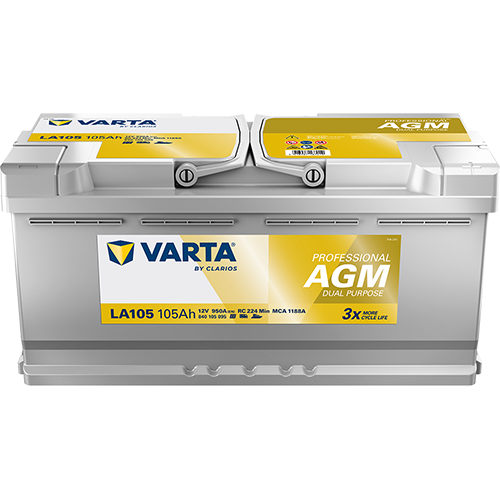
- Capacity (Ah):105 Ah
- Tension:12V
- Dimensions (L x W x H):392 x 175 x 190 mm
- Battery technology::AGM (VRLA)
delivery time: Immediately
In Stock
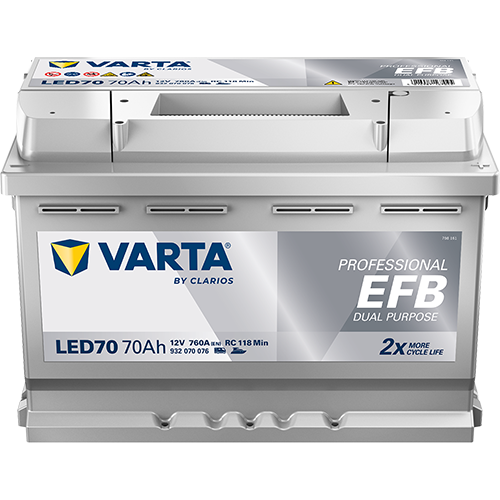
- Capacity (Ah):70 Ah
- Tension:12V
- Dimensions (L x W x H):278 x 175 x 190 mm
- Battery technology::EFB (Flüssig)
delivery time: Immediately
Only %product.stock% In Stock

- Capacity (Ah):200 Ah
- Tension:6V
- Dimensions (L x W x H):246 x 192 x 275 mm
- Battery technology::GEL (VRLA)
Delivery time approx. 30 days
Not in Stock
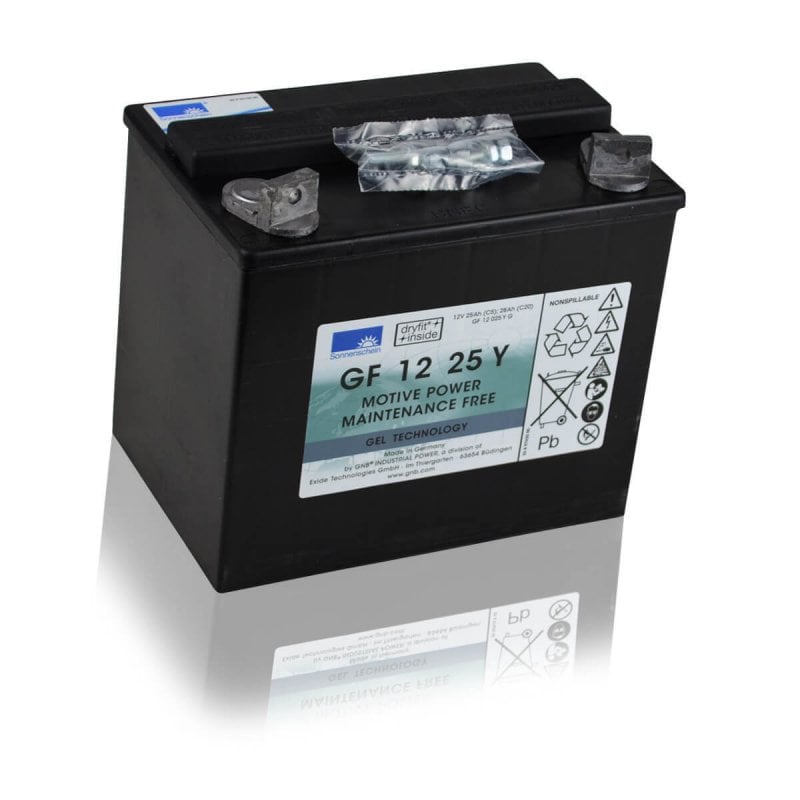
- Capacity (Ah):28 Ah
- Tension:12V
- Dimensions (L x W x H):197 x 132 x 180 mm
- Battery technology::GEL (VRLA)
delivery time: Immediately
In Stock
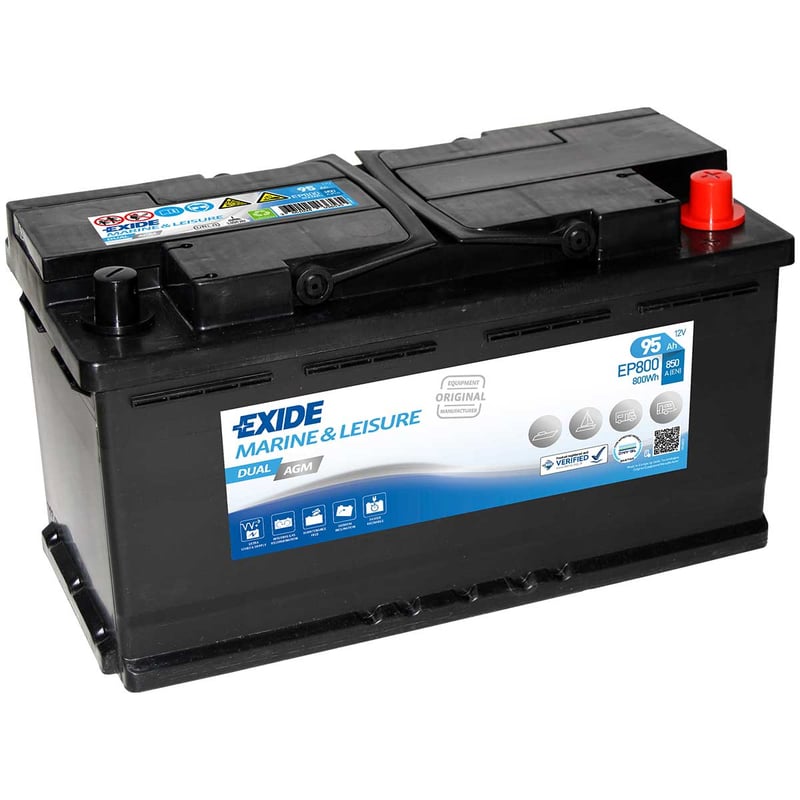
- Capacity (Ah):95 Ah
- Kapazität (Wh):800 Wh
- Tension:12V
- Dimensions (L x W x H):353 x 175 x 190 mm
- Battery technology::AGM (VRLA)
delivery time: Immediately
In Stock
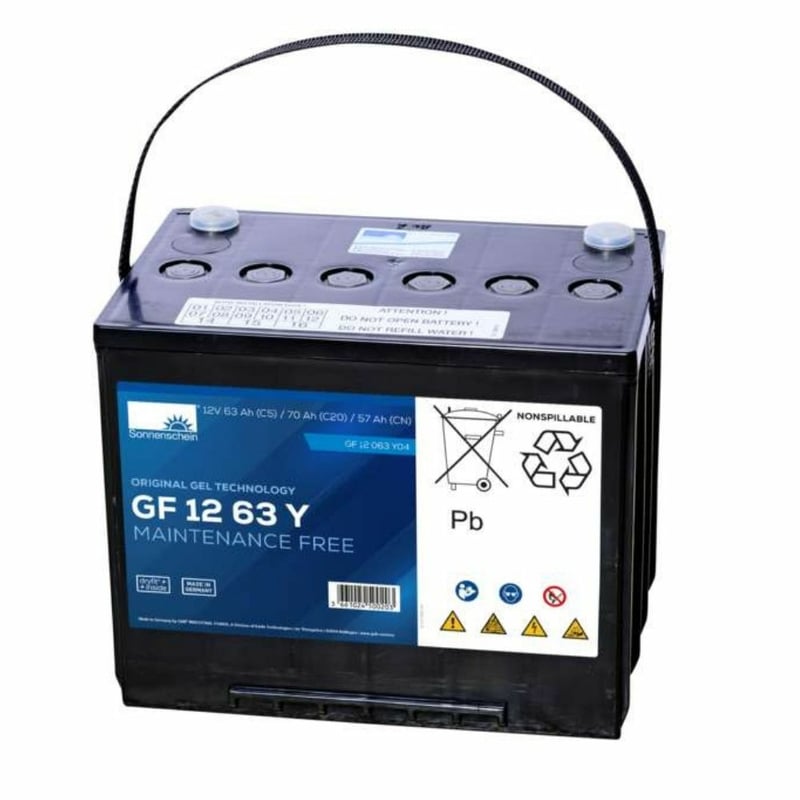
- Capacity (Ah):70 Ah
- Tension:12V
- Dimensions (L x W x H):261 x 171 x 210 mm
- Battery technology::GEL (VRLA)
delivery time: Immediately
Only %product.stock% In Stock


- Capacity (Ah):75 Ah
- Tension:12V
- Dimensions (L x W x H):325 x 165 x 238 mm
- Battery technology::AGM (VRLA)
delivery time: Immediately
In Stock
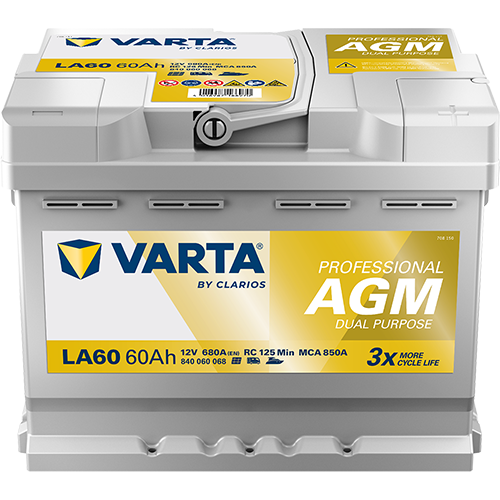
- Capacity (Ah):60 Ah
- Tension:12V
- Dimensions (L x W x H):242 x 175 x 190 mm
- Battery technology::AGM (VRLA)
delivery time: Immediately
In Stock

- Capacity (Ah):24 Ah
- Tension:12V
- Dimensions (L x W x H):167 x 176 x 126 mm
- Battery technology::GEL (VRLA)
Delivery time approx. 30 days
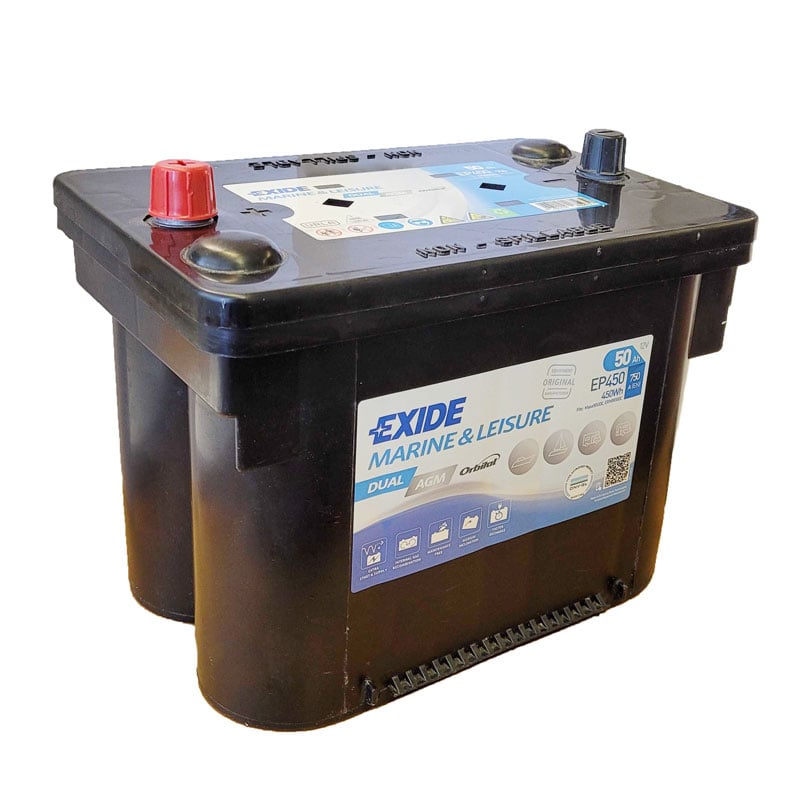
- Capacity (Ah):50 Ah
- Kapazität (Wh):450 Wh
- Tension:12V
- Dimensions (L x W x H):260 x 173 x 206 mm
- Battery technology::AGM (VRLA)
delivery time: Immediately
Only %product.stock% In Stock
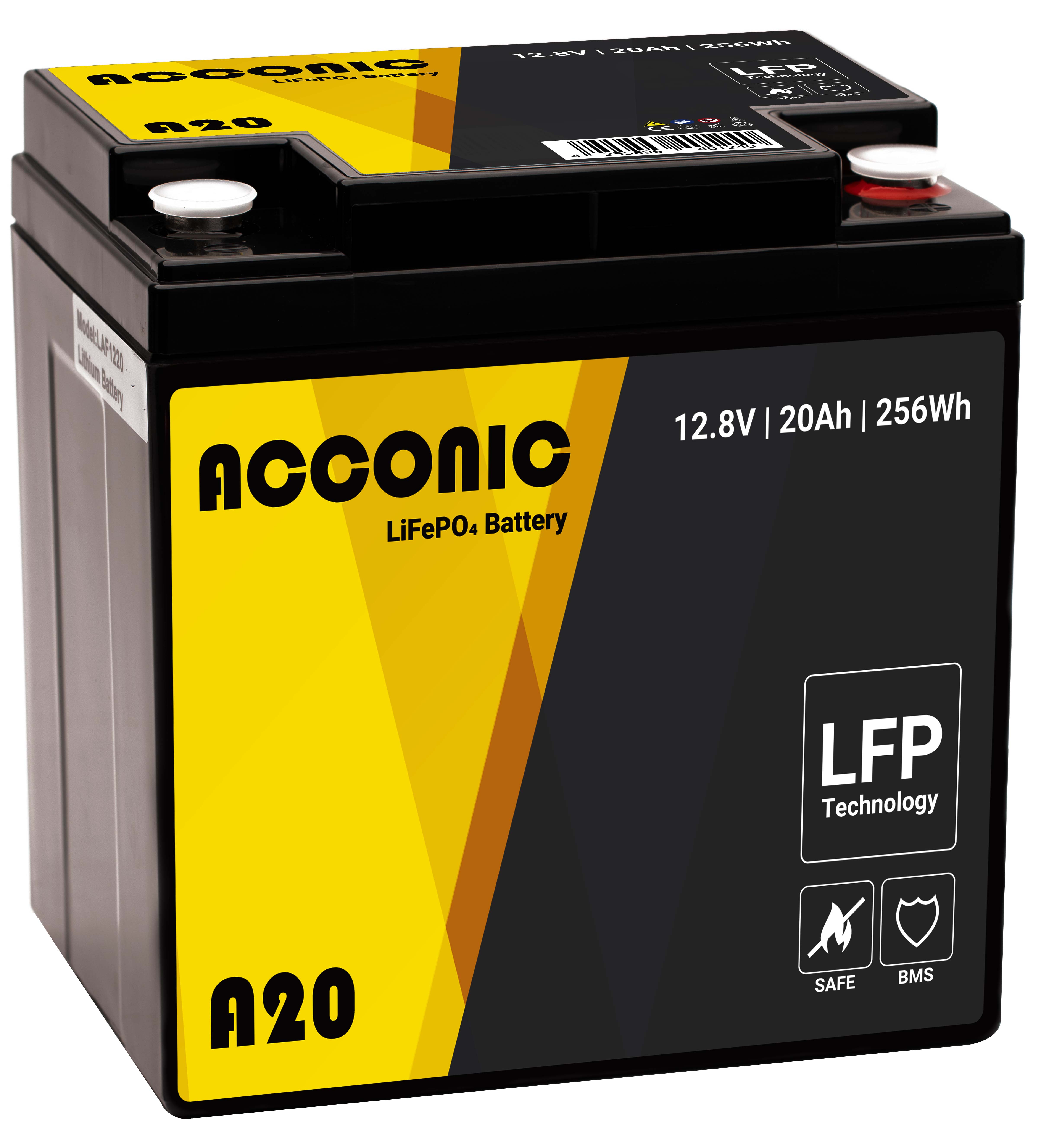

- Capacity (Ah):20 Ah
- Kapazität (Wh):256 Wh
- Tension:12V
- Dimensions (L x W x H):166 x 126 x 175 mm
- Battery technology::LiFePO4 (Lithium-Eisenphosphat)
delivery time: Immediately
In Stock
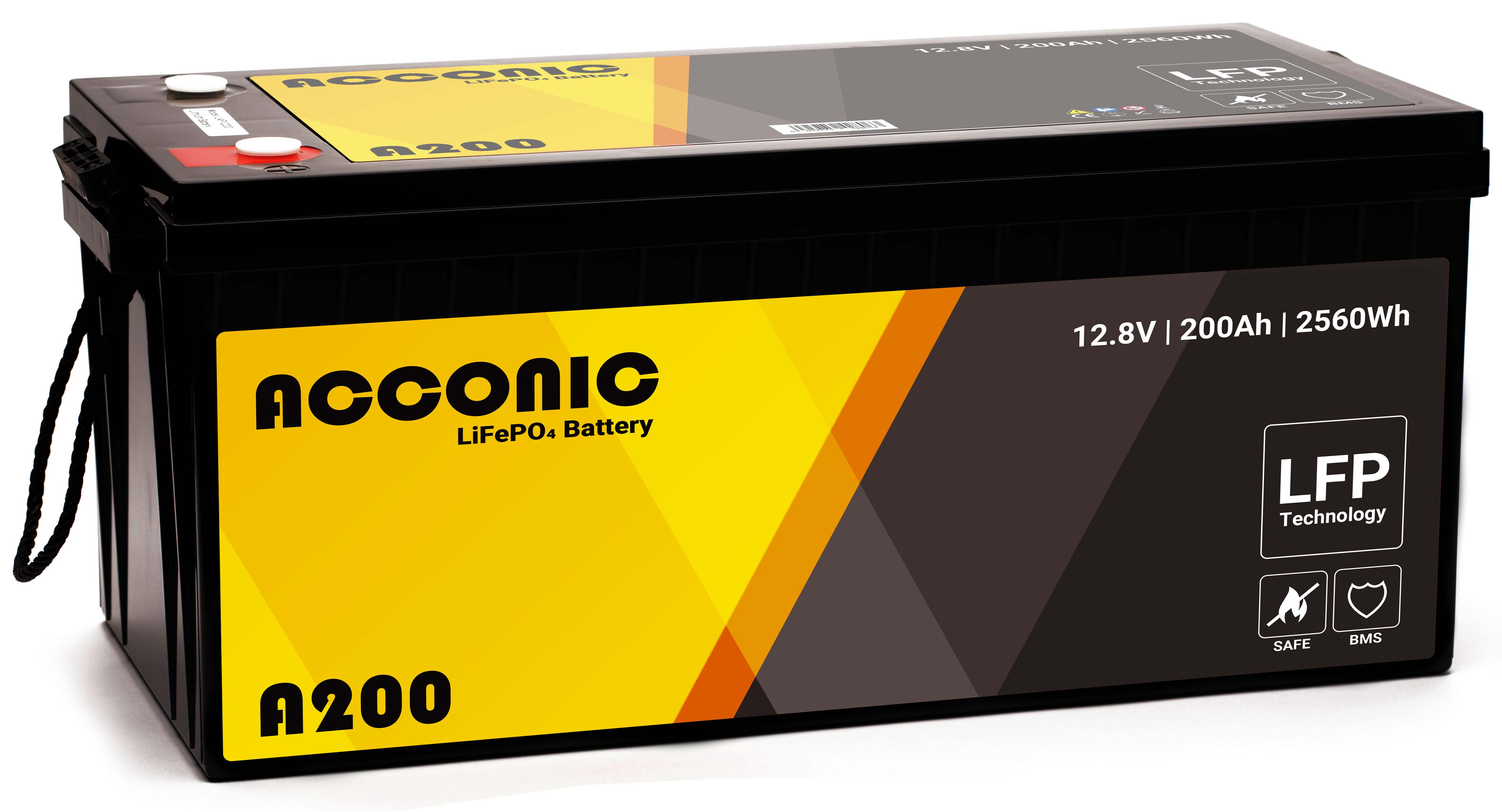
- Capacity (Ah):200 Ah
- Kapazität (Wh):2560 Wh
- Tension:12V
- Dimensions (L x W x H):520 x 240 x 228 mm
- Battery technology::LiFePO4 (Lithium-Eisenphosphat)
delivery time: Immediately
In Stock
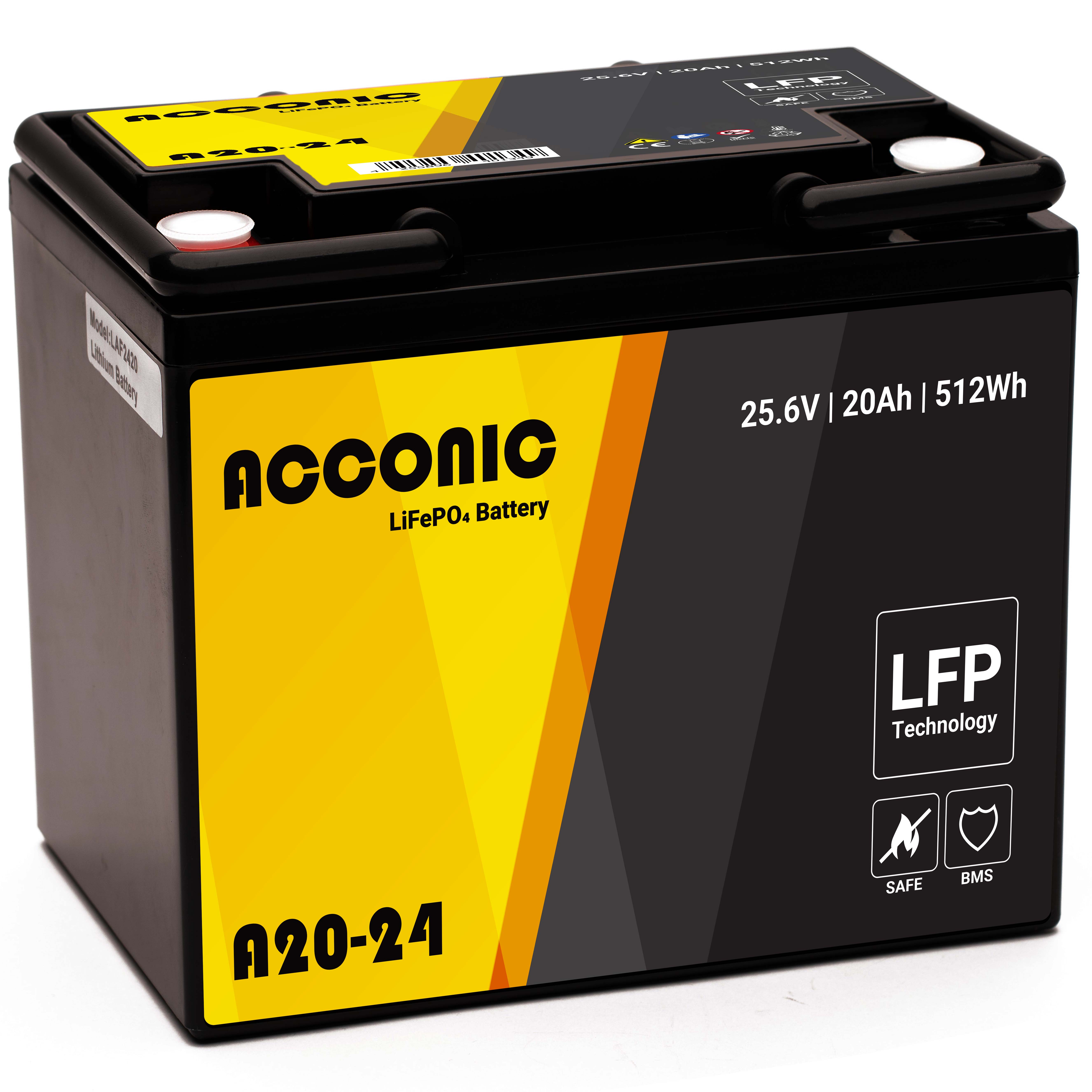
- Capacity (Ah):20 Ah
- Kapazität (Wh):512 Wh
- Tension:24V
- Dimensions (L x W x H):195 x 131 x 171 mm
- Battery technology::LiFePO4 (Lithium-Eisenphosphat)
Delivery time approx. 30 days
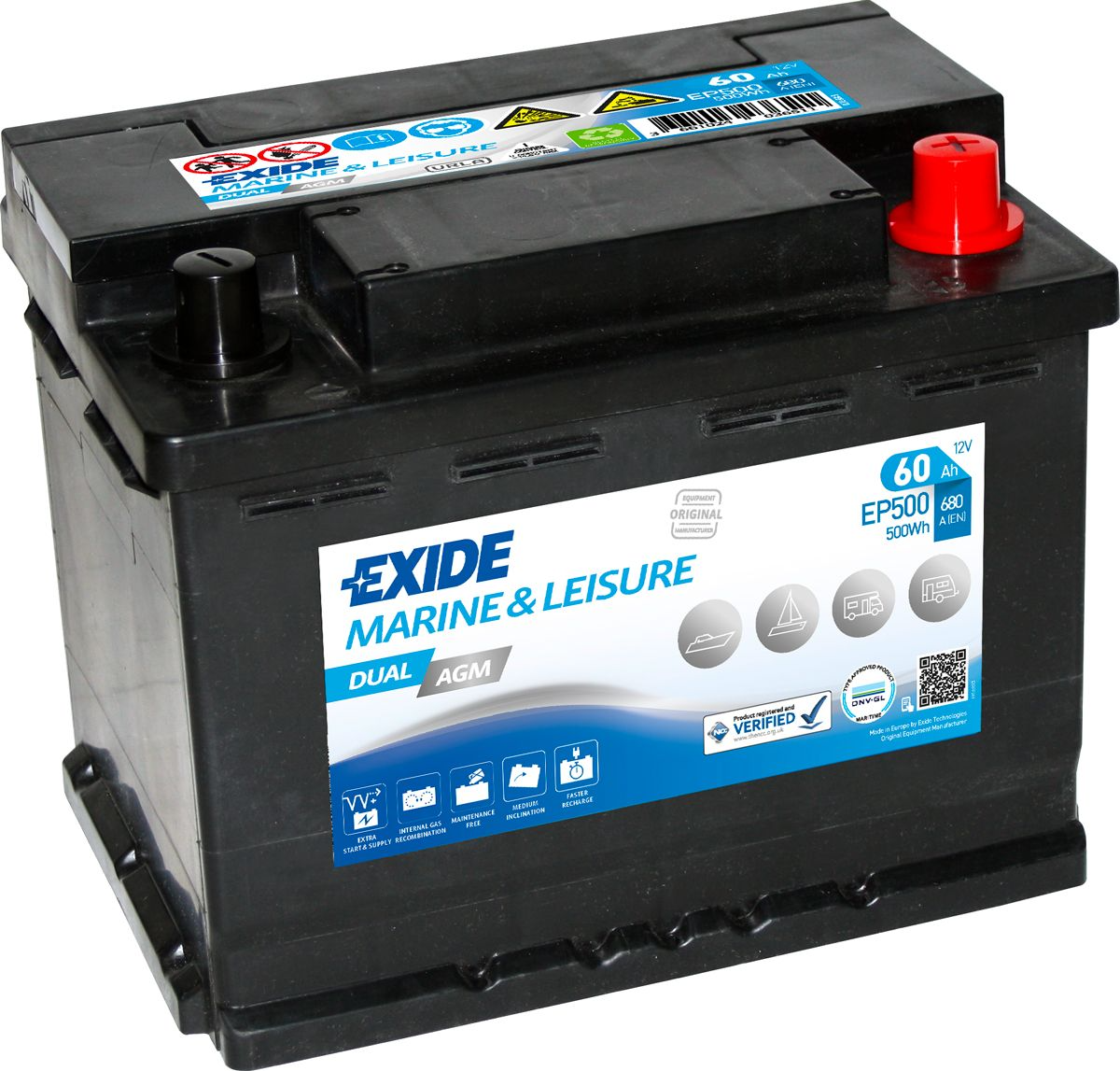
- Capacity (Ah):60 Ah
- Tension:12V
- Dimensions (L x W x H):242 x 175 x 190 mm
- Battery technology::AGM (VRLA)
delivery time: Immediately
In Stock
Hochwertige Wohnmobil-Versorgungsbatterien für maximale Unabhängigkeit
Eine zuverlässige Versorgungsbatterie im Wohnmobil ist die Basis für komfortables und autarkes Reisen. In unserem Sortiment finden Sie leistungsstarke Wohnmobil-Batterien für Camper, Kastenwagen und Reisemobile – ideal zur Versorgung von Beleuchtung, Kühlschrank, Heizung, Wasserpumpen, Wechselrichtern und Multimedia-Geräten. Ob Kurztrip oder Langzeitreise: Mit der richtigen Batterie bleiben Sie unabhängig und flexibel.
Wir führen ausschließlich bewährte Markenhersteller, die für Qualität, Sicherheit und Langlebigkeit stehen. Dazu gehören unter anderem Acconic, Enersys, Exide, Optima, Sonnenschein, Varta und Voltima. Diese Marken bieten ausgereifte Batterietechnologien, die speziell für den zyklischen Einsatz im Wohnmobil entwickelt wurden und auch unter anspruchsvollen Bedingungen zuverlässig arbeiten.
Unser Sortiment umfasst Blei-Säure, wartungsfreie AGM- und GEL-Batterien für klassische Wohnmobil-Anwendungen sowie moderne Lithium-LiFePO₄-Versorgungsbatterien für höchste Ansprüche an Gewicht, Ladegeschwindigkeit und Lebensdauer. Lithium-Batterien überzeugen durch eine sehr hohe Zyklenfestigkeit, konstante Leistung und geringes Gewicht, während AGM- und GEL-Batterien besonders robust, auslaufsicher und preislich attraktiv sind.
So finden Sie die passende Wohnmobil-Batterie:
- Kapazität (Ah) abgestimmt auf Ihren Strombedarf und die gewünschte Autarkiezeit
- Batterietyp: Blei-Säure, AGM, GEL oder LiFePO₄ je nach Nutzung und Budget
- Kompatibilität mit Solaranlage, Ladebooster und Lichtmaschine
- Markenqualität von Acconic, Enersys, Exide, Optima, Sonnenschein, Varta oder Voltima
Egal ob Sie eine zuverlässige Blei-Säure, AGM-Batterie, eine langlebige Gel-Versorgungsbatterie oder eine leistungsstarke Lithium-Wohnmobilbatterie suchen – bei uns finden Sie die passende Lösung für Ihre mobile Stromversorgung. Setzen Sie auf Qualität, Sicherheit und Erfahrung und genießen Sie die Freiheit des autarken Reisens mit einer leistungsstarken Wohnmobil-Versorgungsbatterie.