
Bootsbatterien

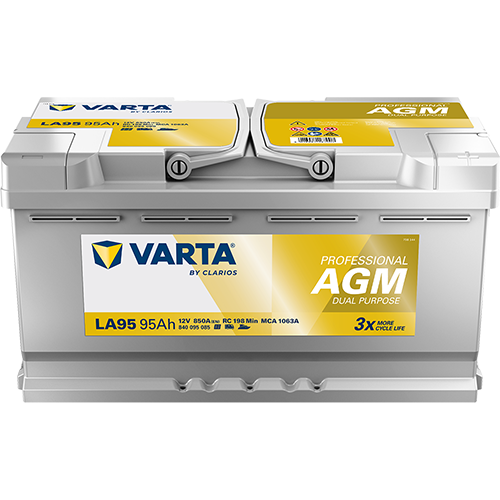

- Capacity (Ah):95 Ah
- Tension:12V
- Dimensions (L x W x H):353 x 175 x 190 mm
- Battery technology::AGM (VRLA)
Delivery time approx. 30 days
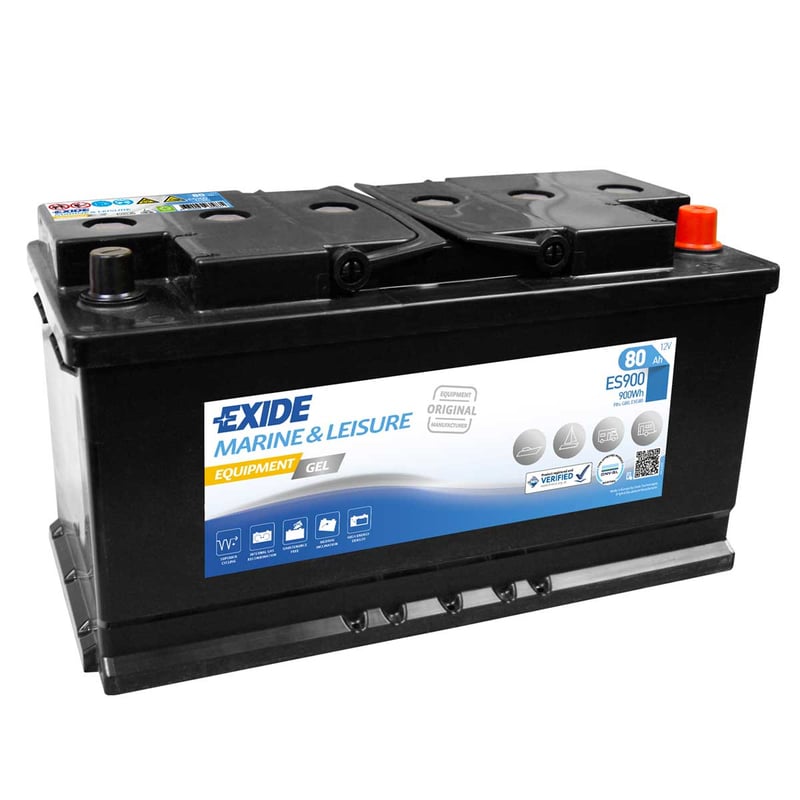

- Capacity (Ah):80 Ah
- Kapazität (Wh):900 Wh
- Tension:12V
- Dimensions (L x W x H):353 x 175 x 190 mm
- Battery technology::GEL (VRLA)
delivery time: Immediately
In Stock
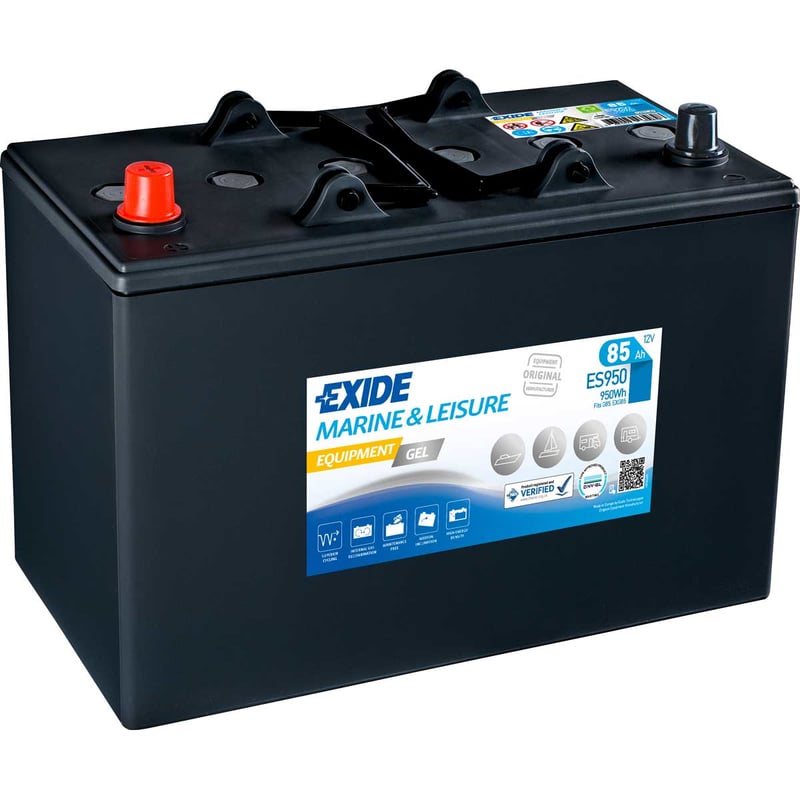
- Capacity (Ah):85 Ah
- Kapazität (Wh):950 Wh
- Tension:12V
- Dimensions (L x W x H):330 x 171 x 236 mm
- Battery technology::GEL (VRLA)
delivery time: Immediately
In Stock
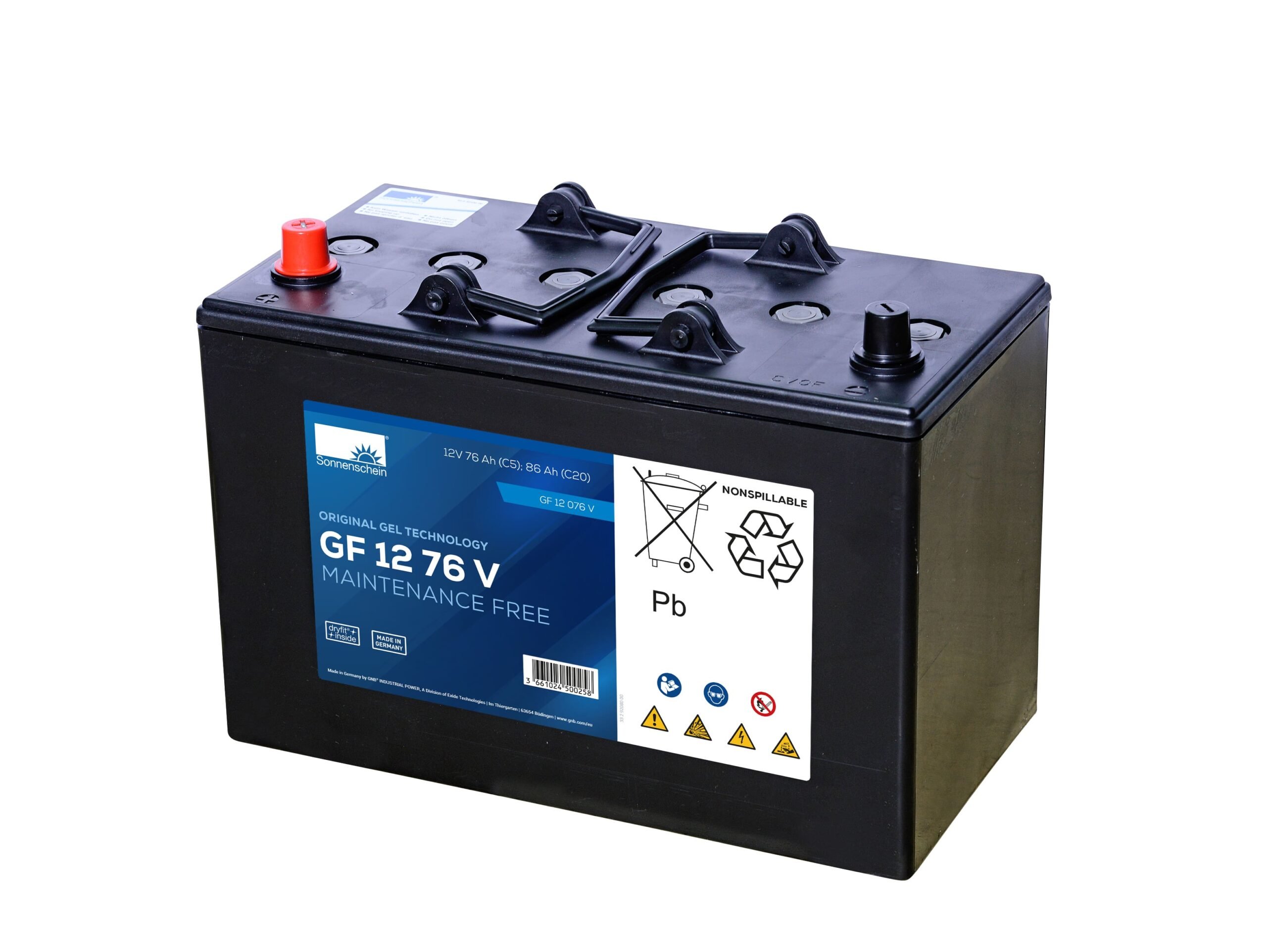

- Capacity (Ah):86 Ah
- Tension:12V
- Dimensions (L x W x H):330 x 171 x 236 mm
- Battery technology::GEL (VRLA)
Delivery time approx. 30 days

- Capacity (Ah):195 Ah
- Kapazität (Wh):1000 Wh
- Tension:6V
- Dimensions (L x W x H):244 x 190 x 275 mm
- Battery technology::GEL (VRLA)
Delivery time approx. 18 days
Not in Stock
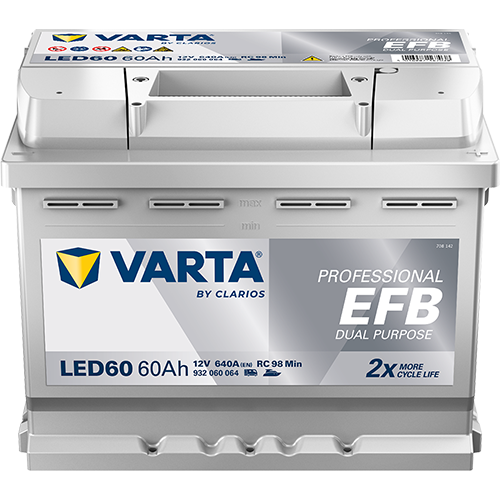
- Capacity (Ah):60 Ah
- Tension:12V
- Dimensions (L x W x H):242 x 175 x 190 mm
- Battery technology::EFB (Flüssig)
delivery time: Immediately
In Stock

- Capacity (Ah):80 Ah
- Kapazität (Wh):960 Wh
- Tension:12V
- Dimensions (L x W x H):315 x 175 x 190 mm
- Battery technology::AGM (VRLA)
Delivery time approx. 30 days
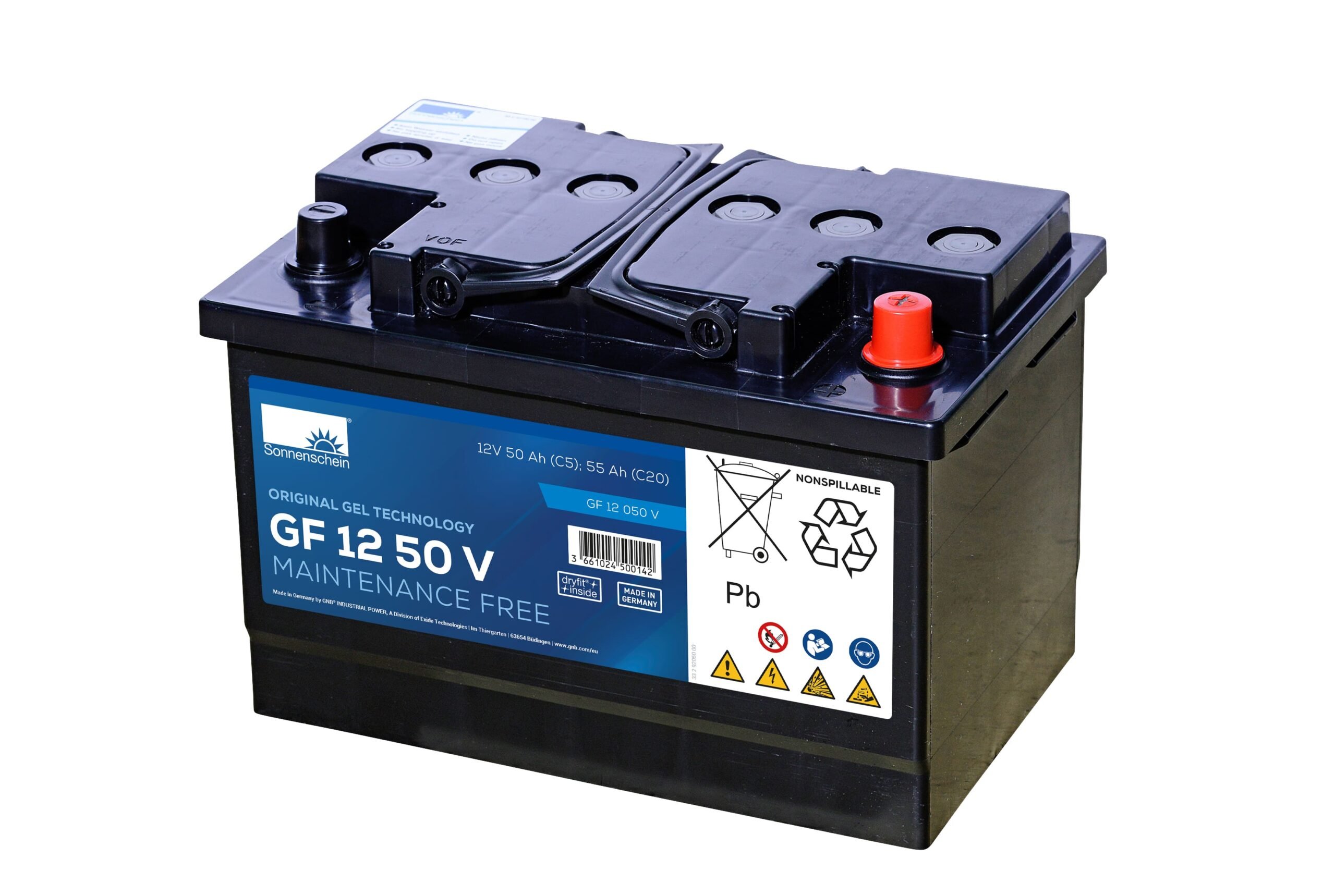
- Capacity (Ah):55 Ah
- Tension:12V
- Dimensions (L x W x H):278 x 175 x 190 mm
- Battery technology::GEL (VRLA)
Delivery time approx. 30 days
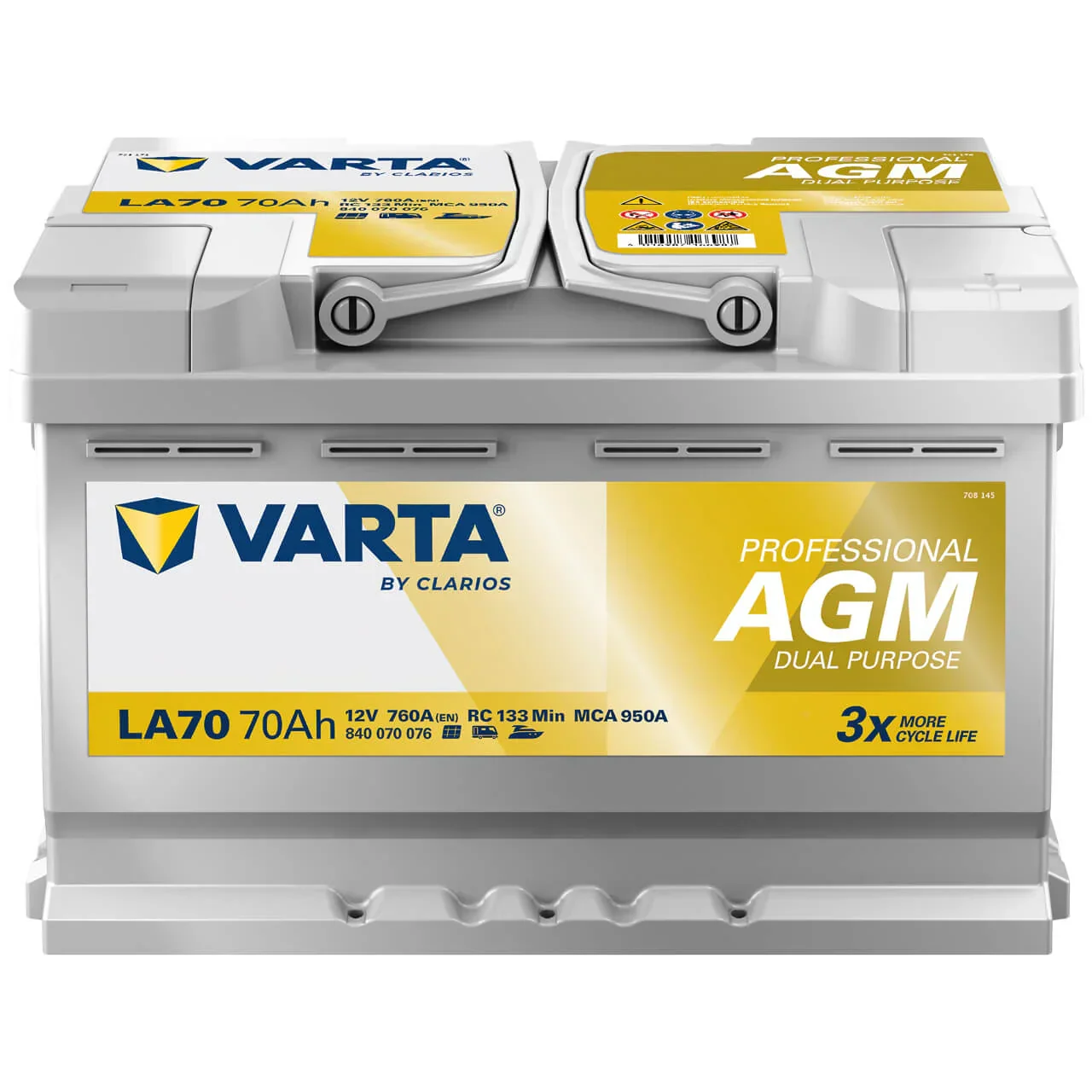
- Capacity (Ah):70 Ah
- Kapazität (Wh):840 Wh
- Tension:12V
- Dimensions (L x W x H):278 x 175 x 190 mm
- Battery technology::AGM (VRLA)
delivery time: Immediately
In Stock
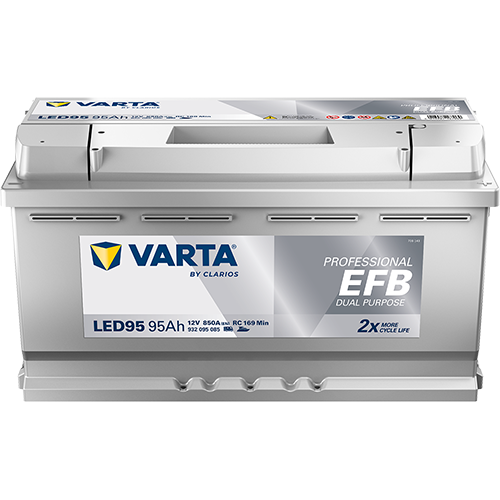
- Capacity (Ah):95 Ah
- Tension:12V
- Dimensions (L x W x H):353 x 175 x 190 mm
- Battery technology::EFB (Flüssig)
delivery time: Immediately
In Stock
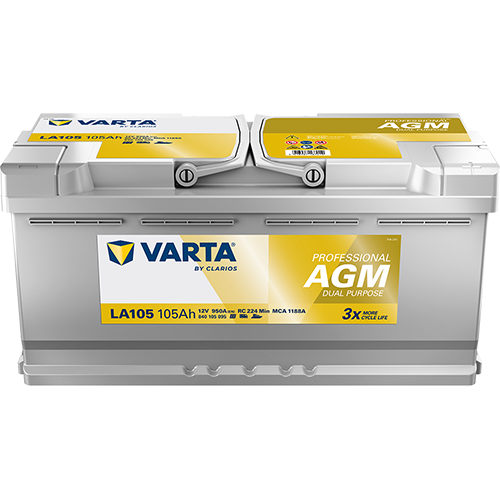
- Capacity (Ah):105 Ah
- Tension:12V
- Dimensions (L x W x H):392 x 175 x 190 mm
- Battery technology::AGM (VRLA)
delivery time: Immediately
In Stock
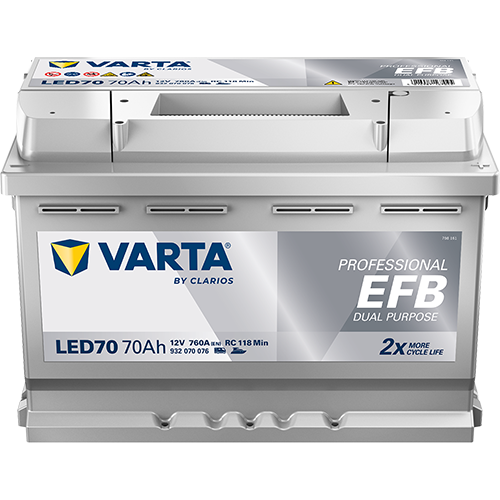
- Capacity (Ah):70 Ah
- Tension:12V
- Dimensions (L x W x H):278 x 175 x 190 mm
- Battery technology::EFB (Flüssig)
delivery time: Immediately
Only %product.stock% In Stock

- Capacity (Ah):200 Ah
- Tension:6V
- Dimensions (L x W x H):246 x 192 x 275 mm
- Battery technology::GEL (VRLA)
Delivery time approx. 30 days
Not in Stock
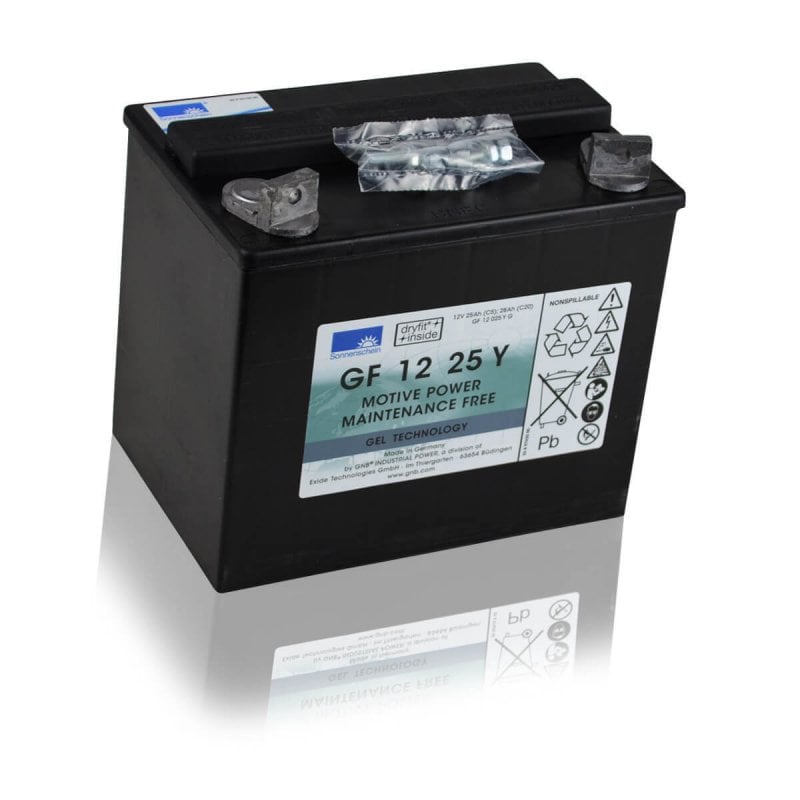
- Capacity (Ah):28 Ah
- Tension:12V
- Dimensions (L x W x H):197 x 132 x 180 mm
- Battery technology::GEL (VRLA)
delivery time: Immediately
In Stock
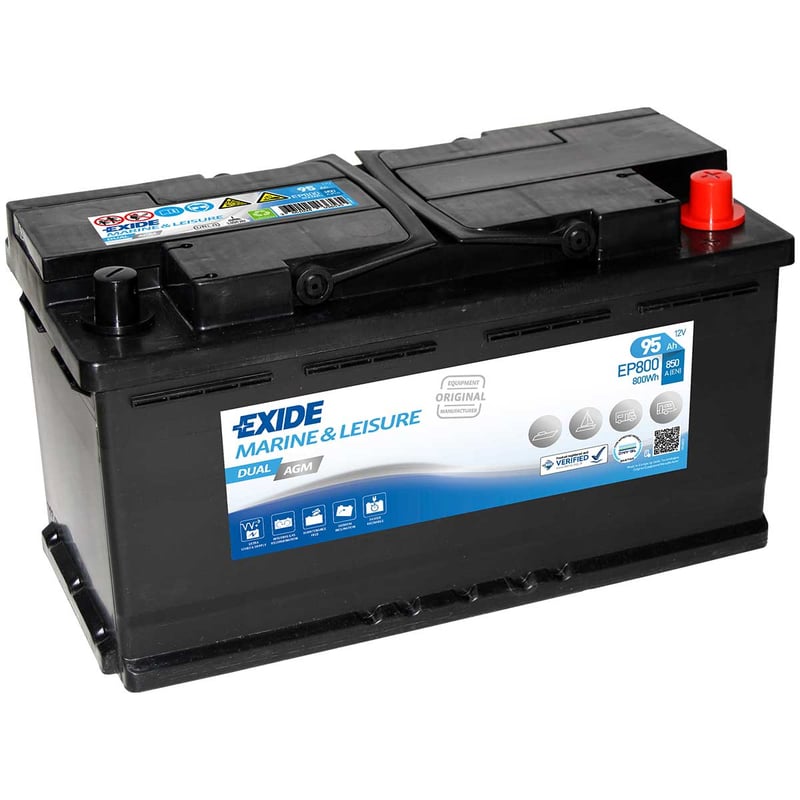
- Capacity (Ah):95 Ah
- Kapazität (Wh):800 Wh
- Tension:12V
- Dimensions (L x W x H):353 x 175 x 190 mm
- Battery technology::AGM (VRLA)
delivery time: Immediately
In Stock
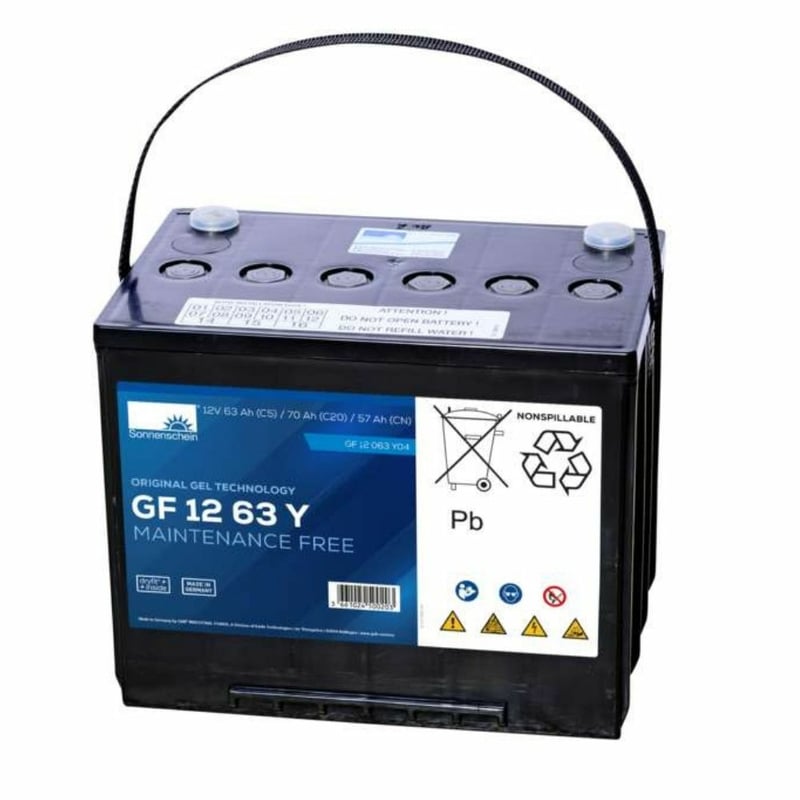
- Capacity (Ah):70 Ah
- Tension:12V
- Dimensions (L x W x H):261 x 171 x 210 mm
- Battery technology::GEL (VRLA)
delivery time: Immediately
Only %product.stock% In Stock


- Capacity (Ah):75 Ah
- Tension:12V
- Dimensions (L x W x H):325 x 165 x 238 mm
- Battery technology::AGM (VRLA)
delivery time: Immediately
In Stock
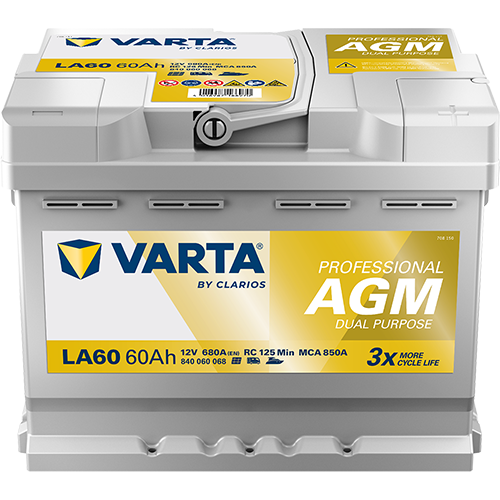
- Capacity (Ah):60 Ah
- Tension:12V
- Dimensions (L x W x H):242 x 175 x 190 mm
- Battery technology::AGM (VRLA)
delivery time: Immediately
In Stock

- Capacity (Ah):24 Ah
- Tension:12V
- Dimensions (L x W x H):167 x 176 x 126 mm
- Battery technology::GEL (VRLA)
Delivery time approx. 30 days
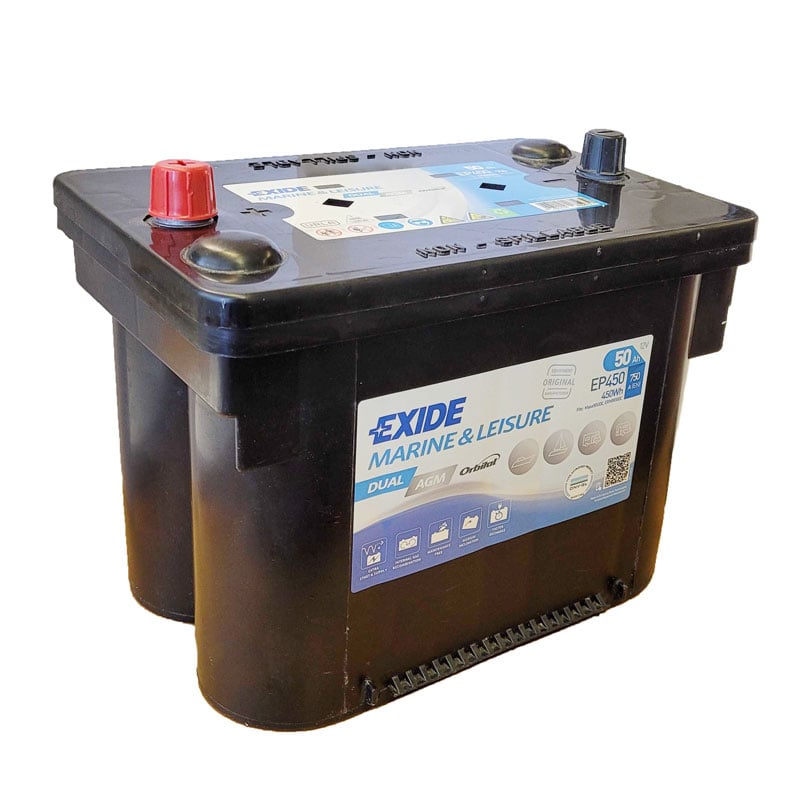
- Capacity (Ah):50 Ah
- Kapazität (Wh):450 Wh
- Tension:12V
- Dimensions (L x W x H):260 x 173 x 206 mm
- Battery technology::AGM (VRLA)
delivery time: Immediately
Only %product.stock% In Stock
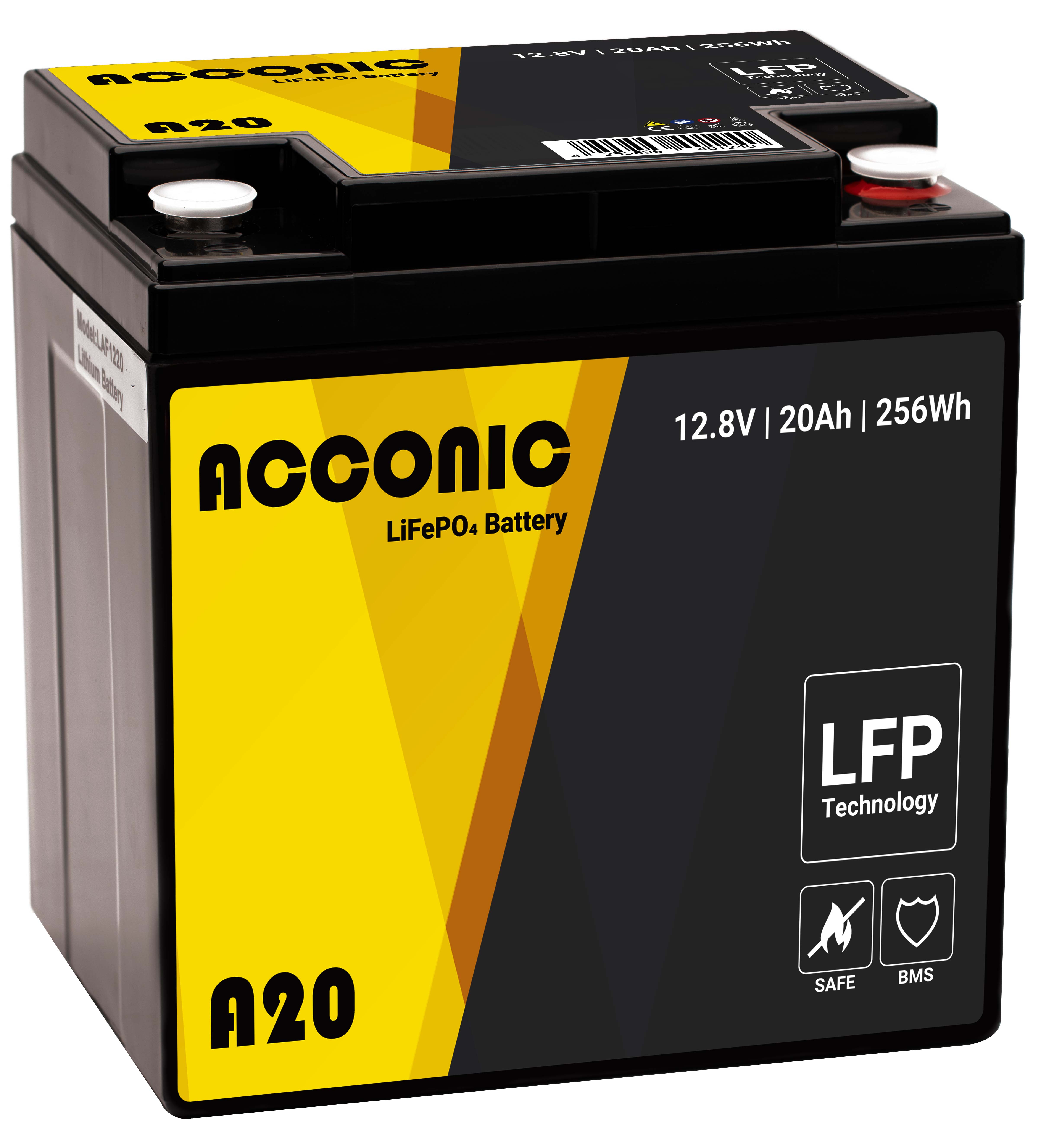

- Capacity (Ah):20 Ah
- Kapazität (Wh):256 Wh
- Tension:12V
- Dimensions (L x W x H):166 x 126 x 175 mm
- Battery technology::LiFePO4 (Lithium-Eisenphosphat)
delivery time: Immediately
In Stock
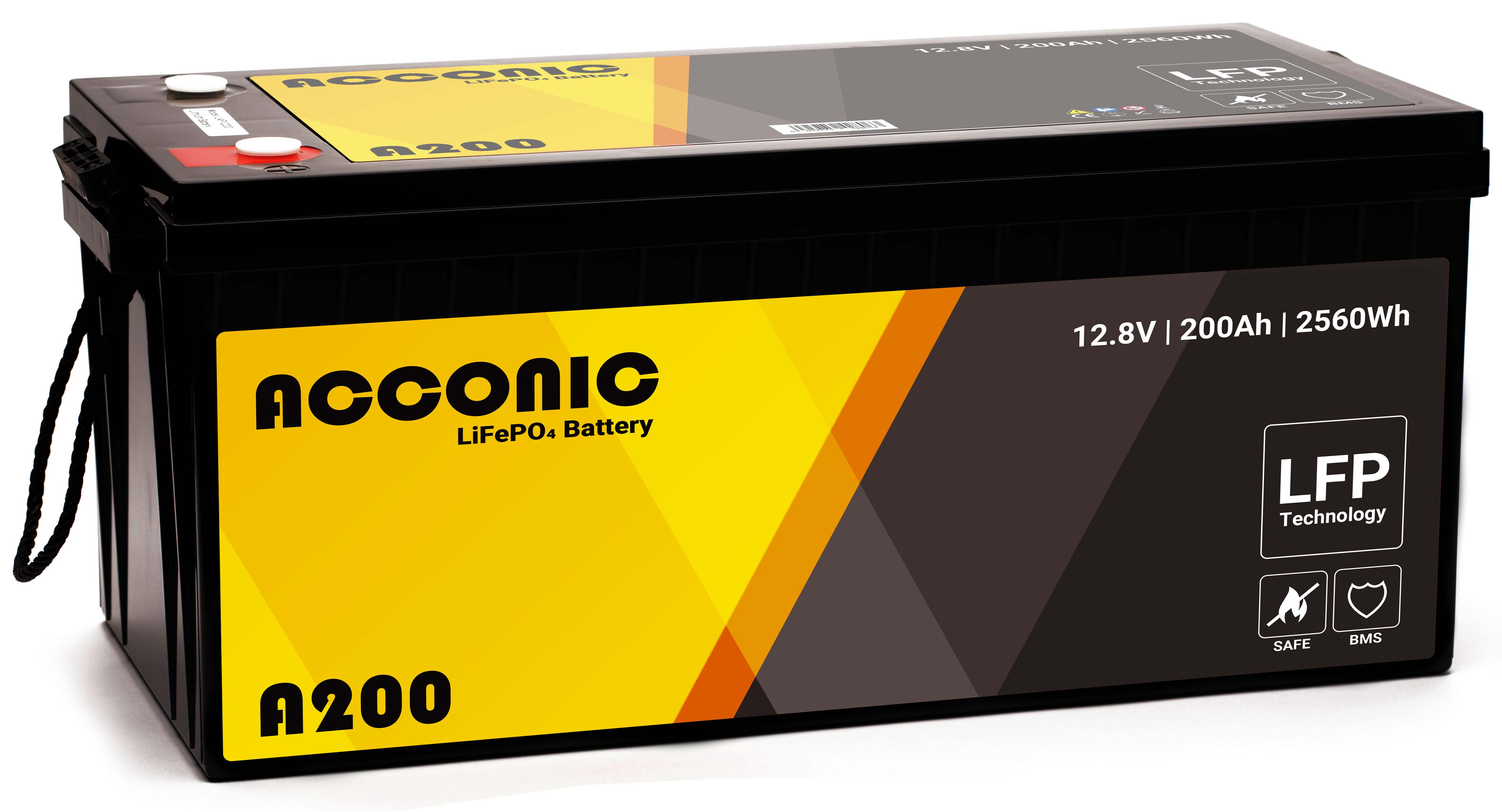
- Capacity (Ah):200 Ah
- Kapazität (Wh):2560 Wh
- Tension:12V
- Dimensions (L x W x H):520 x 240 x 228 mm
- Battery technology::LiFePO4 (Lithium-Eisenphosphat)
delivery time: Immediately
In Stock
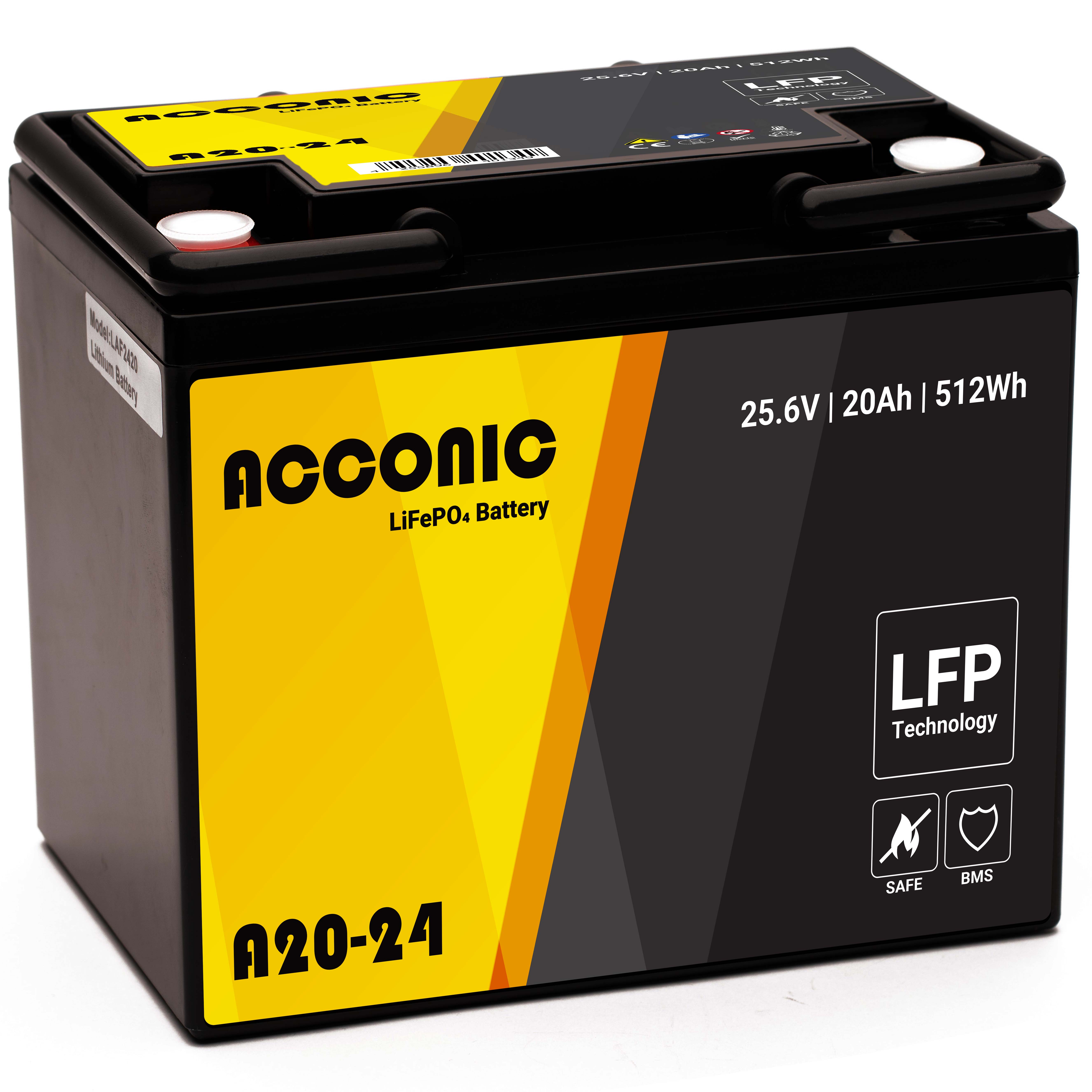
- Capacity (Ah):20 Ah
- Kapazität (Wh):512 Wh
- Tension:24V
- Dimensions (L x W x H):195 x 131 x 171 mm
- Battery technology::LiFePO4 (Lithium-Eisenphosphat)
Delivery time approx. 30 days
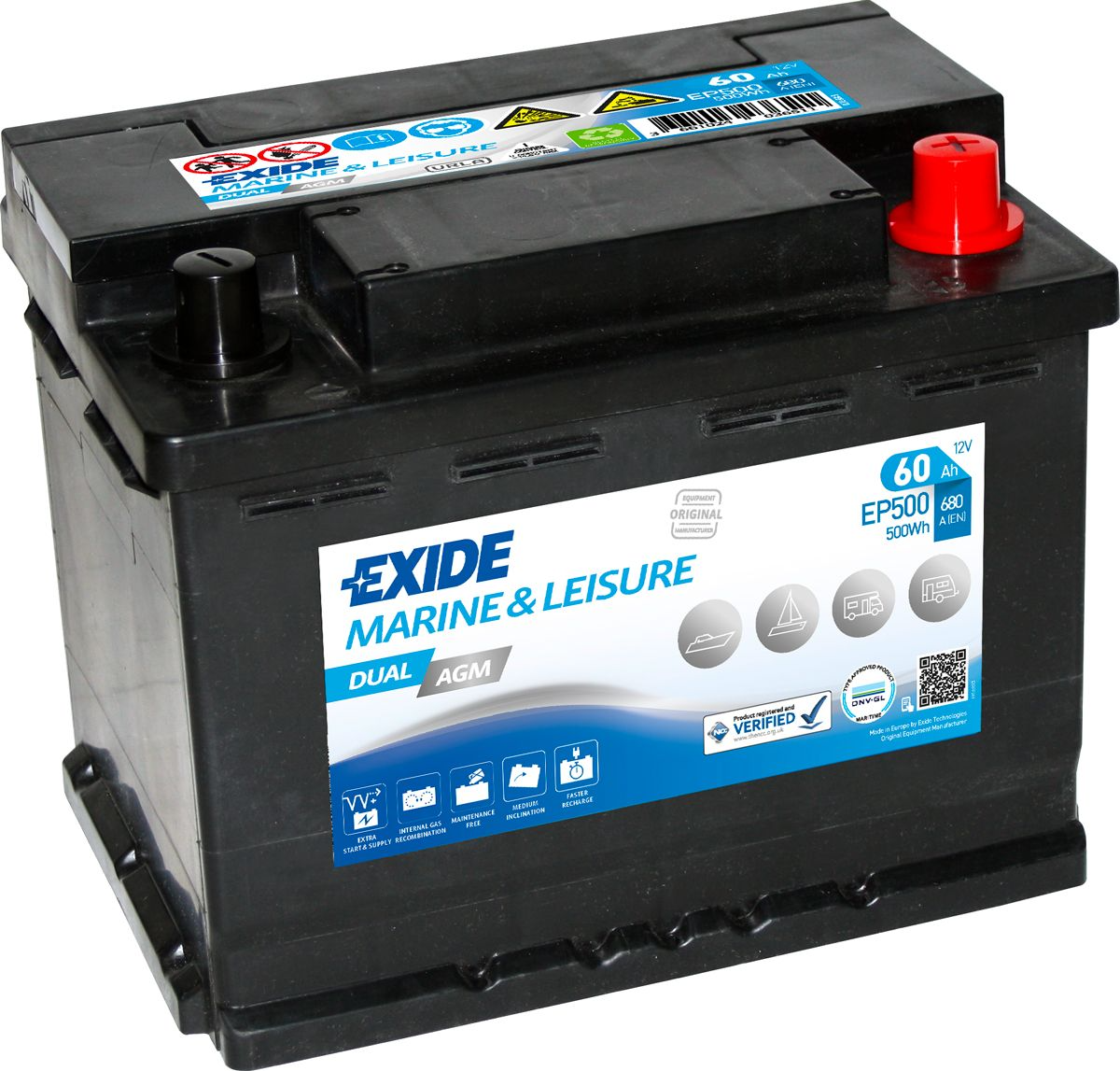
- Capacity (Ah):60 Ah
- Tension:12V
- Dimensions (L x W x H):242 x 175 x 190 mm
- Battery technology::AGM (VRLA)
delivery time: Immediately
In Stock
Bootsbatterien – Zuverlässige Energie für Ihr Wasserfahrzeug
Unsere Bootsbatterien bieten eine sichere und leistungsstarke Stromversorgung für alle Arten von Wasserfahrzeugen – vom Motorboot über Segelyacht bis hin zu Hausbooten. Mit der richtigen Batterie stellen Sie sicher, dass Anlasser, Navigationsgeräte, Beleuchtung, Pumpen und Unterhaltungselektronik auf dem Wasser zuverlässig betrieben werden.
Wir führen verschiedene Batterietypen, darunter Blei-Säure, AGM, Gel und Lithium-Bootsbatterien, die für unterschiedliche Anforderungen optimiert sind. AGM- und Gel-Batterien überzeugen durch wartungsfreie Technologie, Auslaufsicherheit und hohe Zyklenfestigkeit, während Lithium-Batterien extrem leicht, leistungsstark und langlebig sind – ideal für längere Einsätze oder Off-Grid-Anwendungen auf dem Wasser.
Unsere Auswahl umfasst Premium-Bootsbatterien renommierter Marken, die für den zyklischen Einsatz und höchste Belastbarkeit konzipiert sind. Egal ob für Kurztrips, Regatten oder Langzeitfahrten, mit einer hochwertigen Bootsbatterie genießen Sie maximale Zuverlässigkeit und Sicherheit auf jeder Tour.
Vorteile unserer Bootsbatterien auf einen Blick:
- Zuverlässige Energieversorgung für alle Bordgeräte
- Wartungsfreie AGM- und Gel-Technologie oder leichte Lithium-Optionen
- Hohe Zyklenfestigkeit und lange Lebensdauer
- Stabil bei Vibrationen, Schiffsbewegungen und Temperaturschwankungen
- Ideal für Motorboote, Segelboote, Yachten und Hausboote
- Einfache Kombination mit Ladegeräten und Solarsystemen
Mit der passenden Bootsbatterie sichern Sie sich verlässliche Energie auf dem Wasser, mehr Flexibilität und sorgen für unbeschwerte Bootsfahrten. Entdecken Sie jetzt unser Sortiment und finden Sie die perfekte Batterielösung für Ihr Boot.