
Versorgungsbatterien



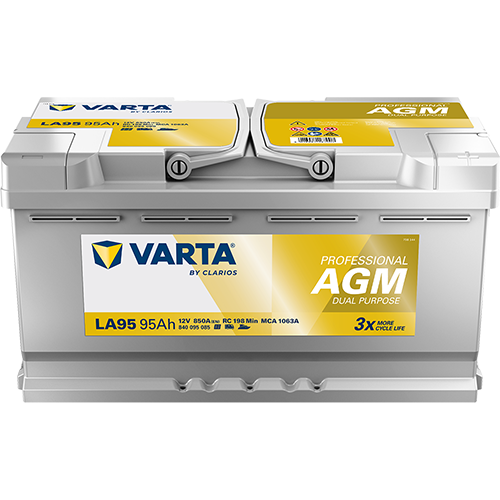

- Capacity (Ah):95 Ah
- Tension:12V
- Dimensions (L x W x H):353 x 175 x 190 mm
- Battery technology::AGM (VRLA)
Delivery time approx. 30 days
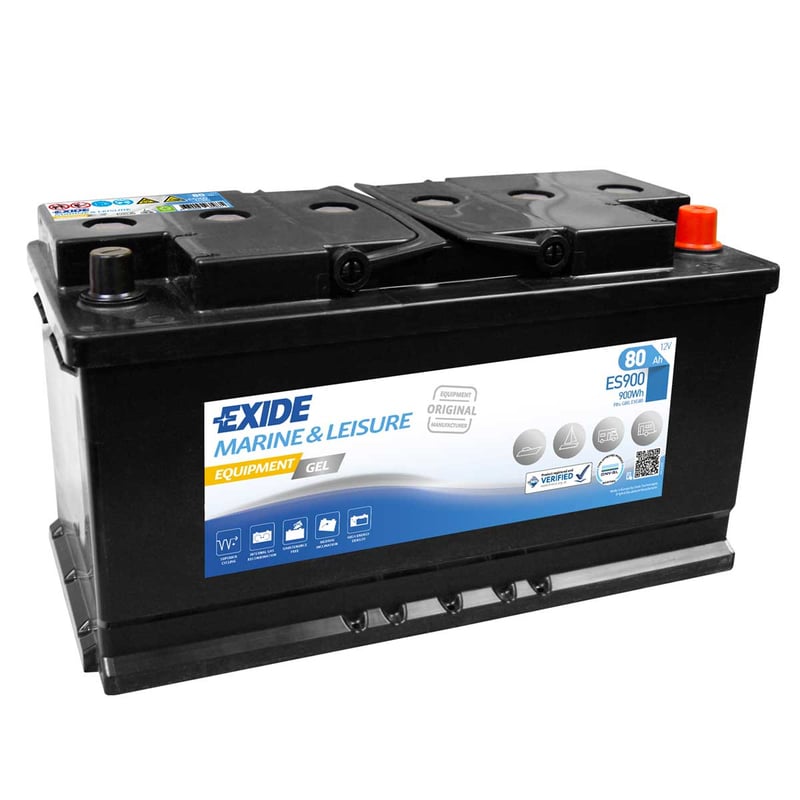

- Capacity (Ah):80 Ah
- Kapazität (Wh):900 Wh
- Tension:12V
- Dimensions (L x W x H):353 x 175 x 190 mm
- Battery technology::GEL (VRLA)
delivery time: Immediately
In Stock
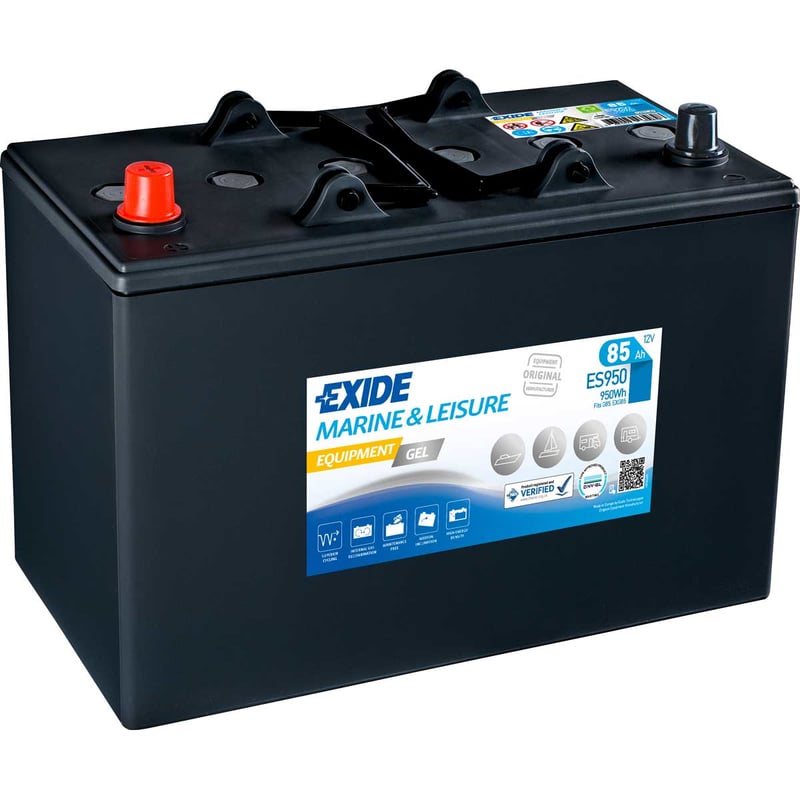
- Capacity (Ah):85 Ah
- Kapazität (Wh):950 Wh
- Tension:12V
- Dimensions (L x W x H):330 x 171 x 236 mm
- Battery technology::GEL (VRLA)
delivery time: Immediately
In Stock
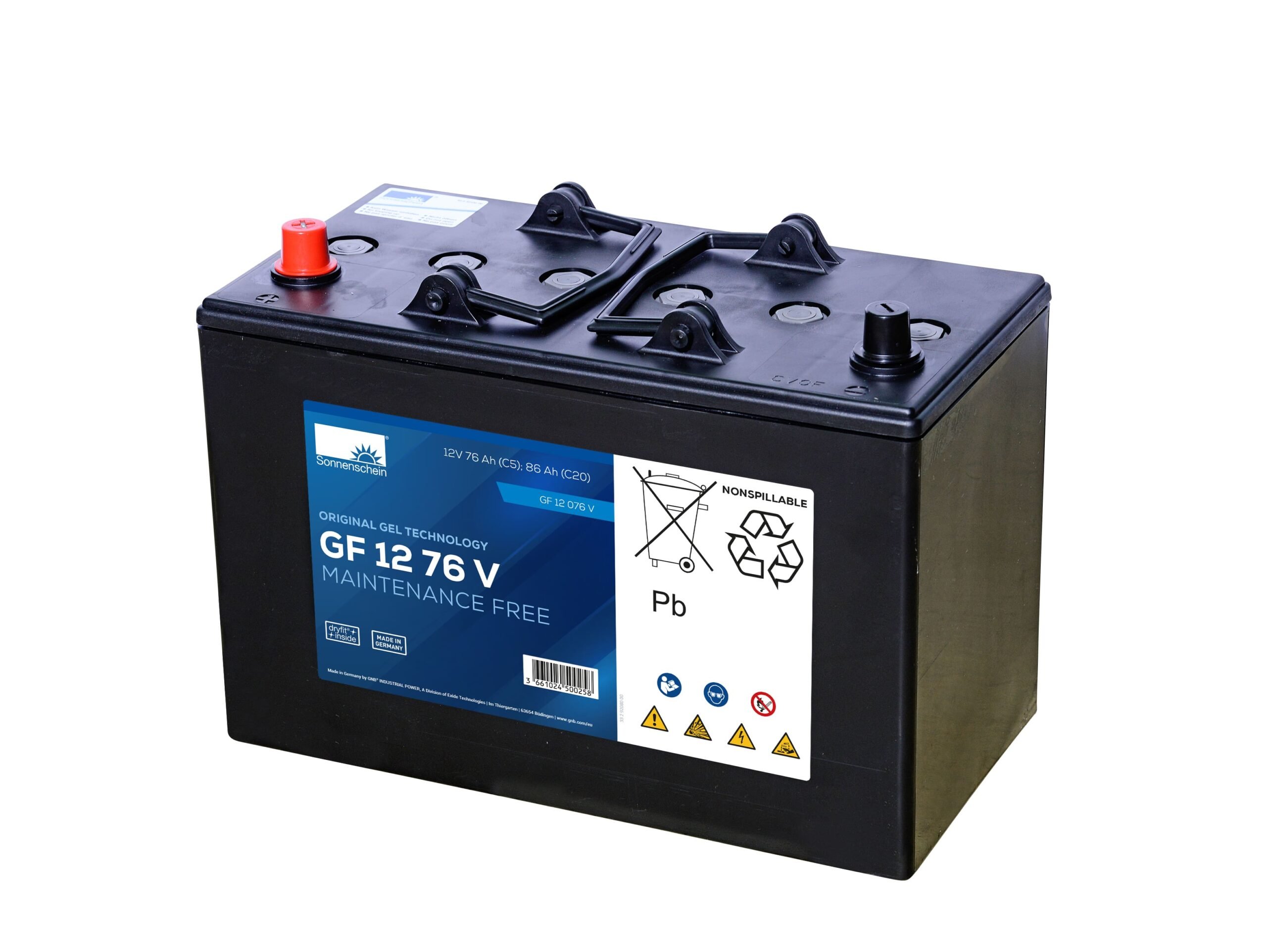

- Capacity (Ah):86 Ah
- Tension:12V
- Dimensions (L x W x H):330 x 171 x 236 mm
- Battery technology::GEL (VRLA)
Delivery time approx. 30 days

- Capacity (Ah):195 Ah
- Kapazität (Wh):1000 Wh
- Tension:6V
- Dimensions (L x W x H):244 x 190 x 275 mm
- Battery technology::GEL (VRLA)
Delivery time approx. 18 days
Not in Stock
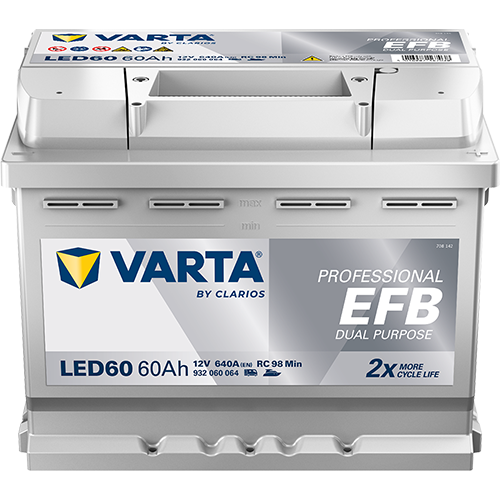
- Capacity (Ah):60 Ah
- Tension:12V
- Dimensions (L x W x H):242 x 175 x 190 mm
- Battery technology::EFB (Flüssig)
delivery time: Immediately
In Stock

- Capacity (Ah):80 Ah
- Kapazität (Wh):960 Wh
- Tension:12V
- Dimensions (L x W x H):315 x 175 x 190 mm
- Battery technology::AGM (VRLA)
Delivery time approx. 30 days
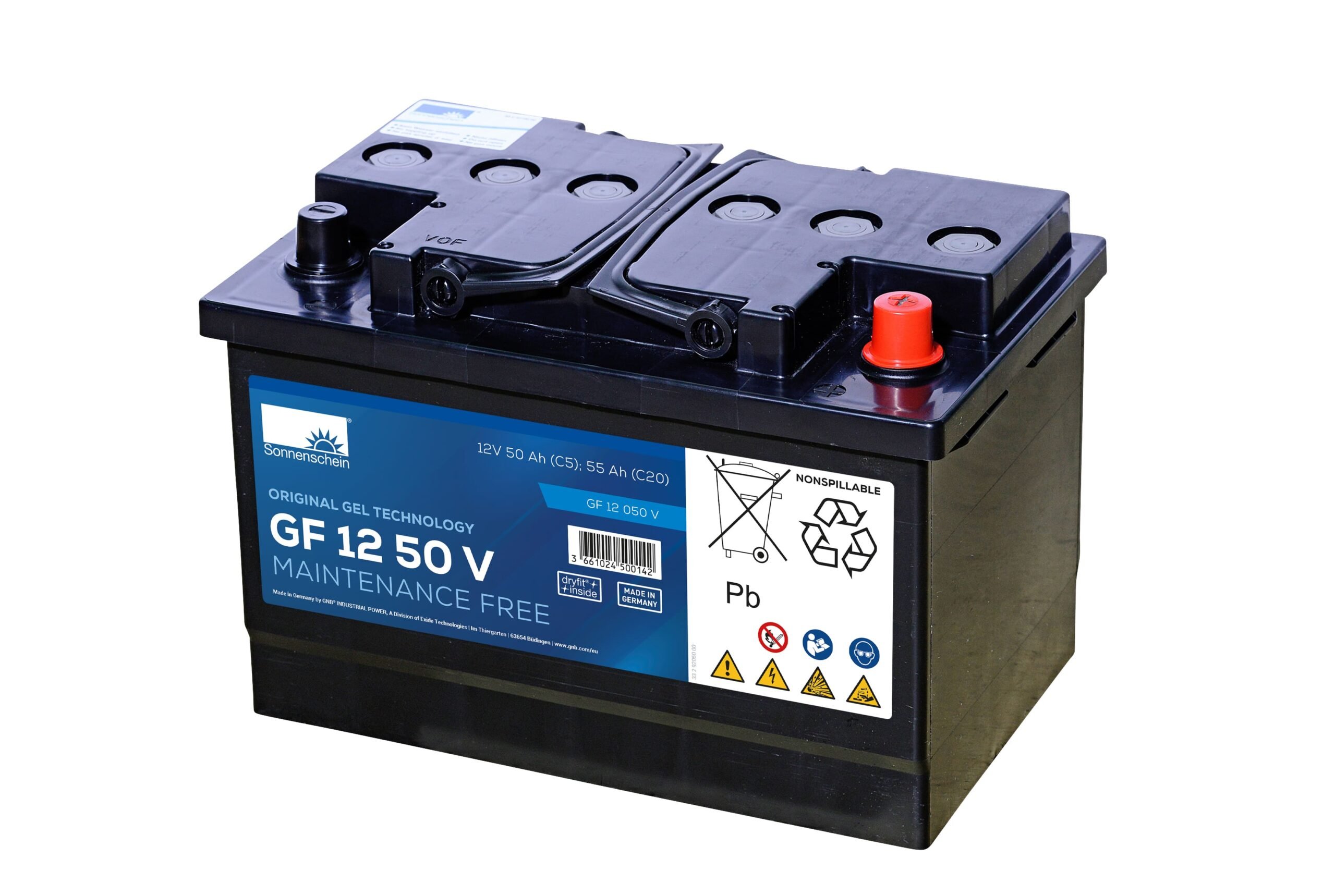
- Capacity (Ah):55 Ah
- Tension:12V
- Dimensions (L x W x H):278 x 175 x 190 mm
- Battery technology::GEL (VRLA)
Delivery time approx. 30 days
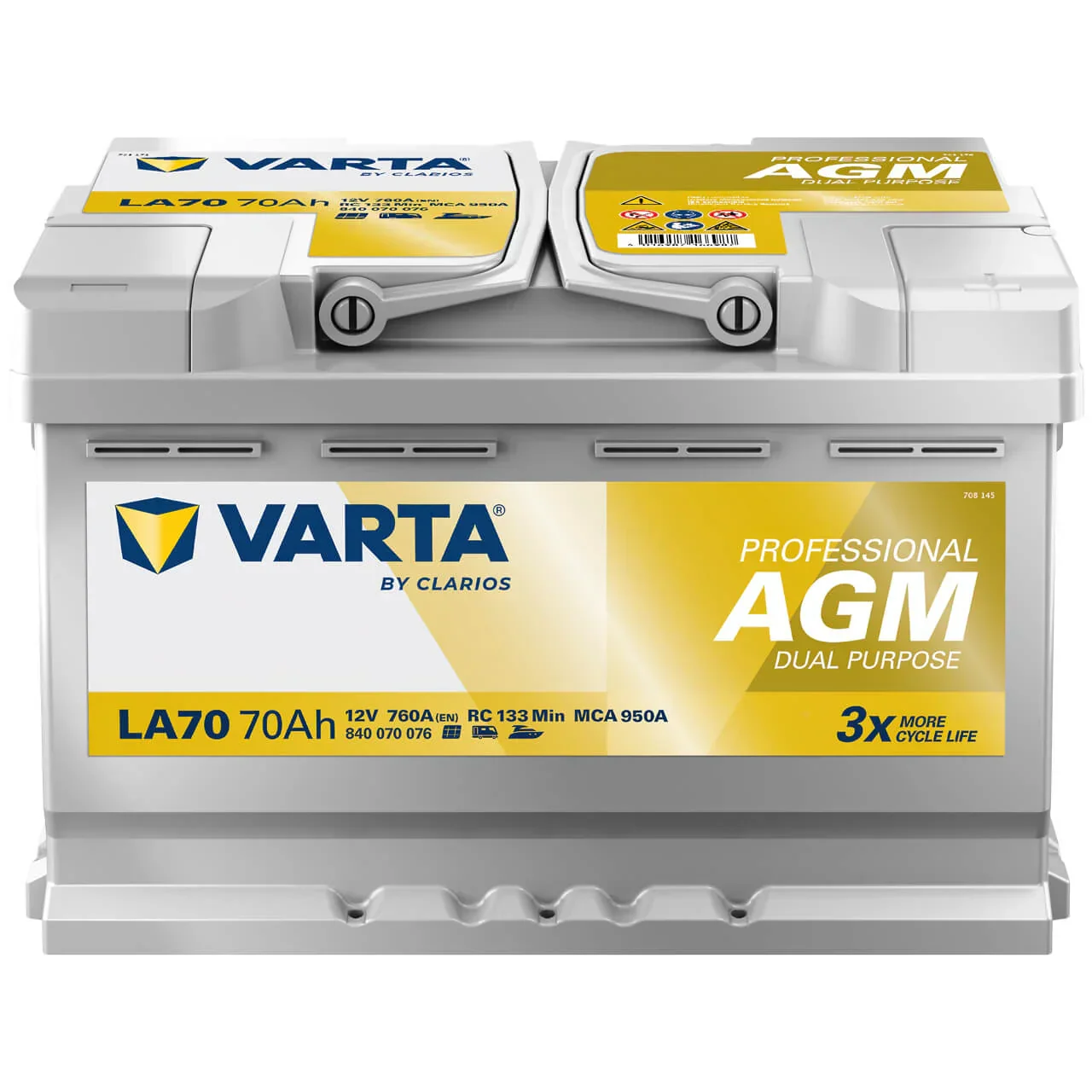
- Capacity (Ah):70 Ah
- Kapazität (Wh):840 Wh
- Tension:12V
- Dimensions (L x W x H):278 x 175 x 190 mm
- Battery technology::AGM (VRLA)
delivery time: Immediately
In Stock
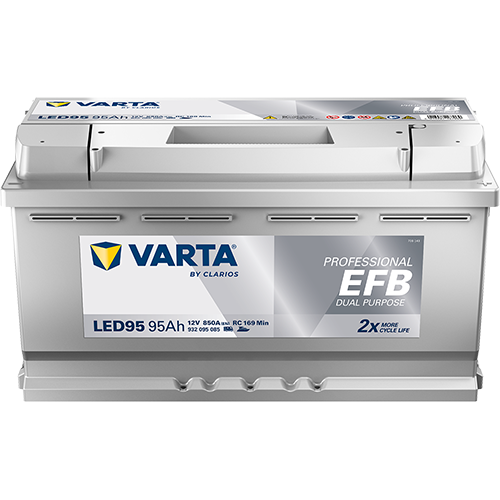
- Capacity (Ah):95 Ah
- Tension:12V
- Dimensions (L x W x H):353 x 175 x 190 mm
- Battery technology::EFB (Flüssig)
delivery time: Immediately
In Stock
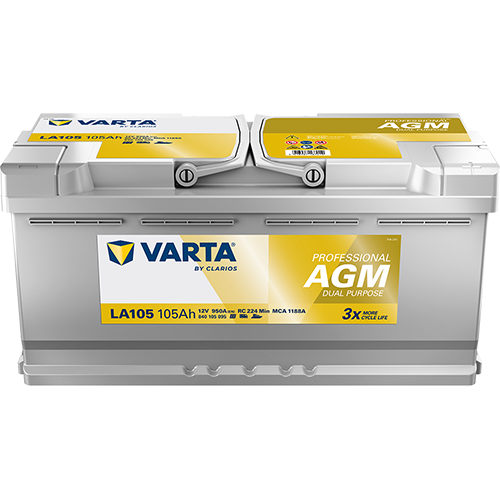
- Capacity (Ah):105 Ah
- Tension:12V
- Dimensions (L x W x H):392 x 175 x 190 mm
- Battery technology::AGM (VRLA)
delivery time: Immediately
In Stock
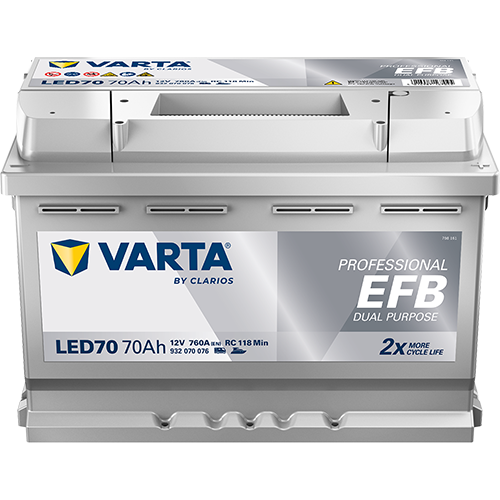
- Capacity (Ah):70 Ah
- Tension:12V
- Dimensions (L x W x H):278 x 175 x 190 mm
- Battery technology::EFB (Flüssig)
delivery time: Immediately
Only %product.stock% In Stock

- Capacity (Ah):200 Ah
- Tension:6V
- Dimensions (L x W x H):246 x 192 x 275 mm
- Battery technology::GEL (VRLA)
Delivery time approx. 30 days
Not in Stock
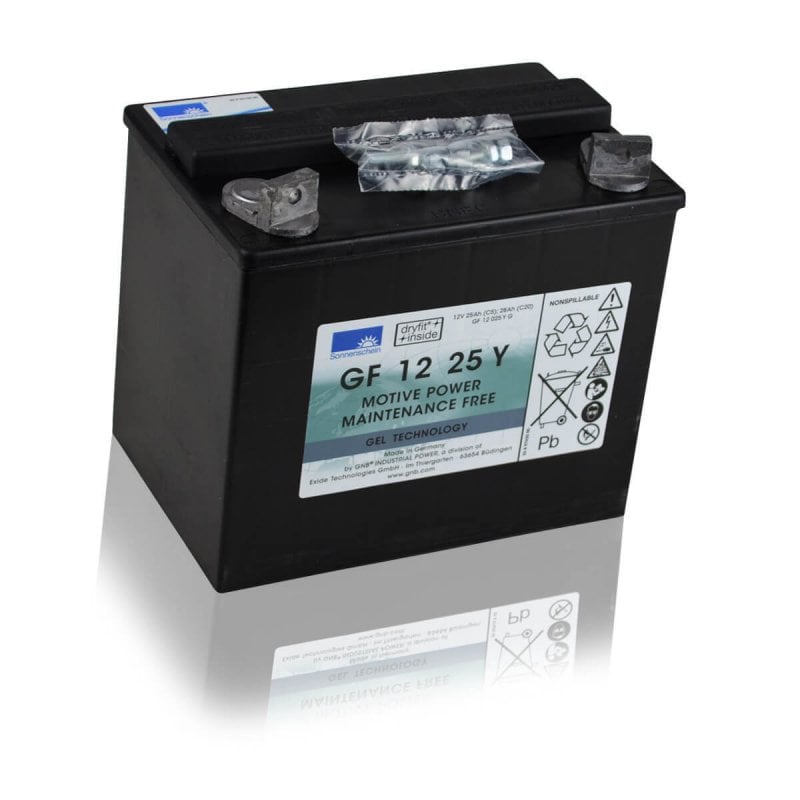
- Capacity (Ah):28 Ah
- Tension:12V
- Dimensions (L x W x H):197 x 132 x 180 mm
- Battery technology::GEL (VRLA)
delivery time: Immediately
In Stock
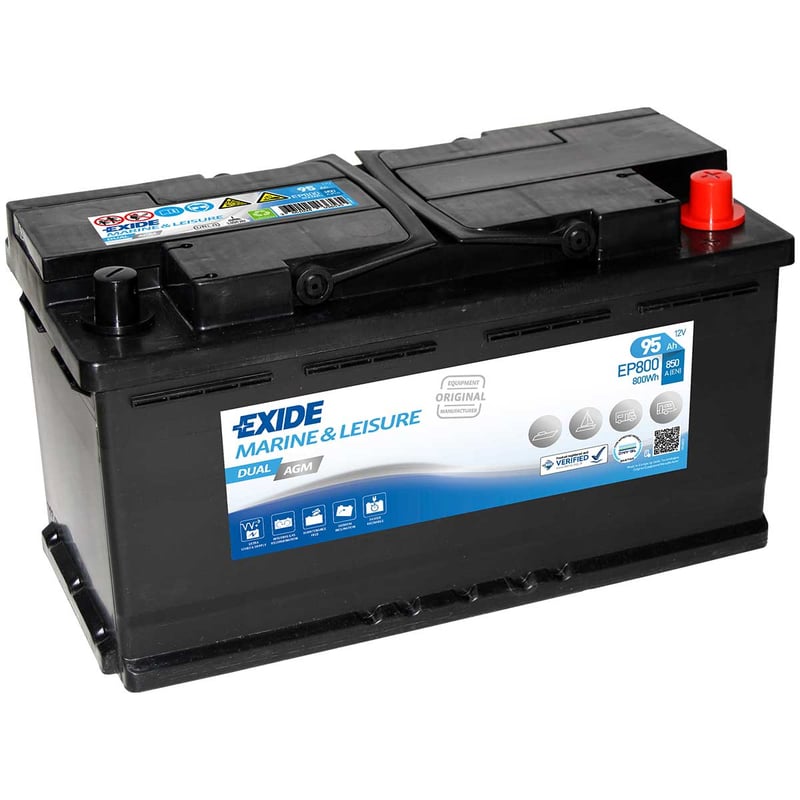
- Capacity (Ah):95 Ah
- Kapazität (Wh):800 Wh
- Tension:12V
- Dimensions (L x W x H):353 x 175 x 190 mm
- Battery technology::AGM (VRLA)
delivery time: Immediately
In Stock
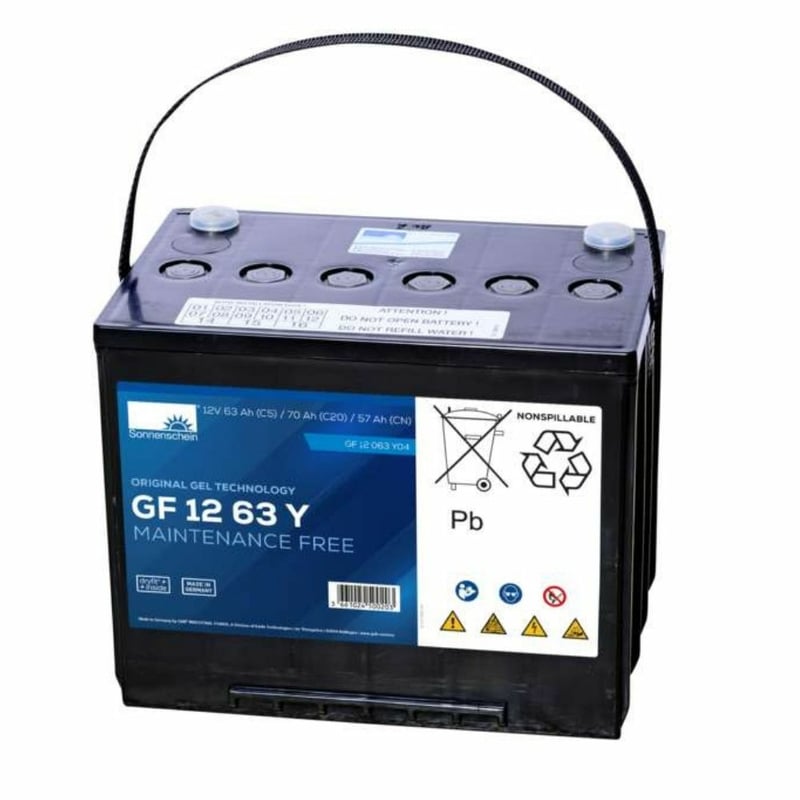
- Capacity (Ah):70 Ah
- Tension:12V
- Dimensions (L x W x H):261 x 171 x 210 mm
- Battery technology::GEL (VRLA)
delivery time: Immediately
Only %product.stock% In Stock


- Capacity (Ah):75 Ah
- Tension:12V
- Dimensions (L x W x H):325 x 165 x 238 mm
- Battery technology::AGM (VRLA)
delivery time: Immediately
In Stock
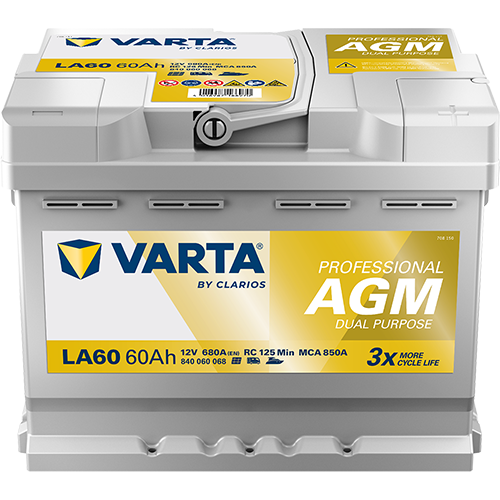
- Capacity (Ah):60 Ah
- Tension:12V
- Dimensions (L x W x H):242 x 175 x 190 mm
- Battery technology::AGM (VRLA)
delivery time: Immediately
In Stock

- Capacity (Ah):24 Ah
- Tension:12V
- Dimensions (L x W x H):167 x 176 x 126 mm
- Battery technology::GEL (VRLA)
Delivery time approx. 30 days
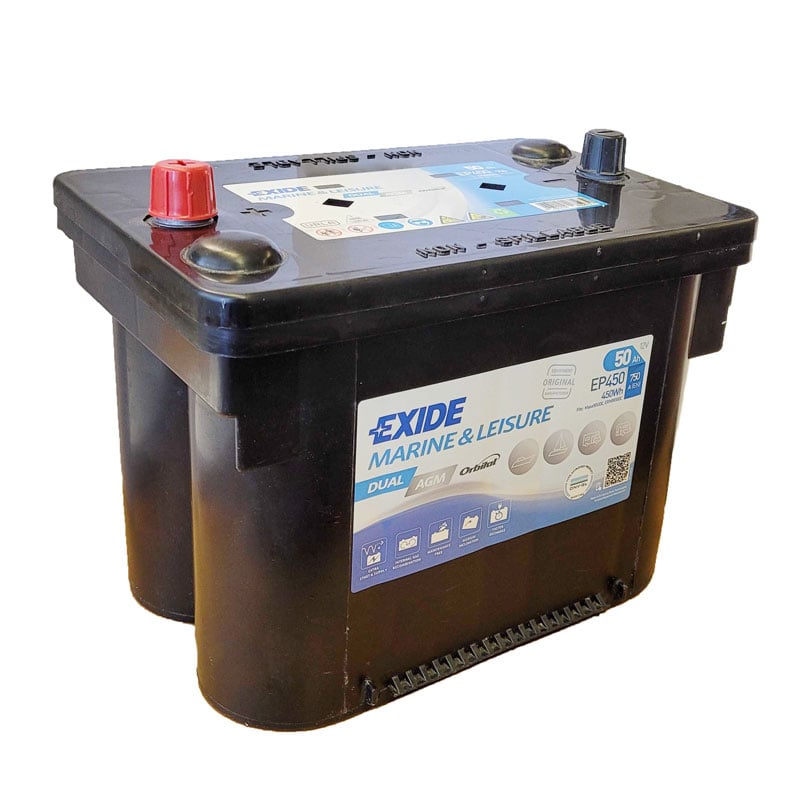
- Capacity (Ah):50 Ah
- Kapazität (Wh):450 Wh
- Tension:12V
- Dimensions (L x W x H):260 x 173 x 206 mm
- Battery technology::AGM (VRLA)
delivery time: Immediately
Only %product.stock% In Stock
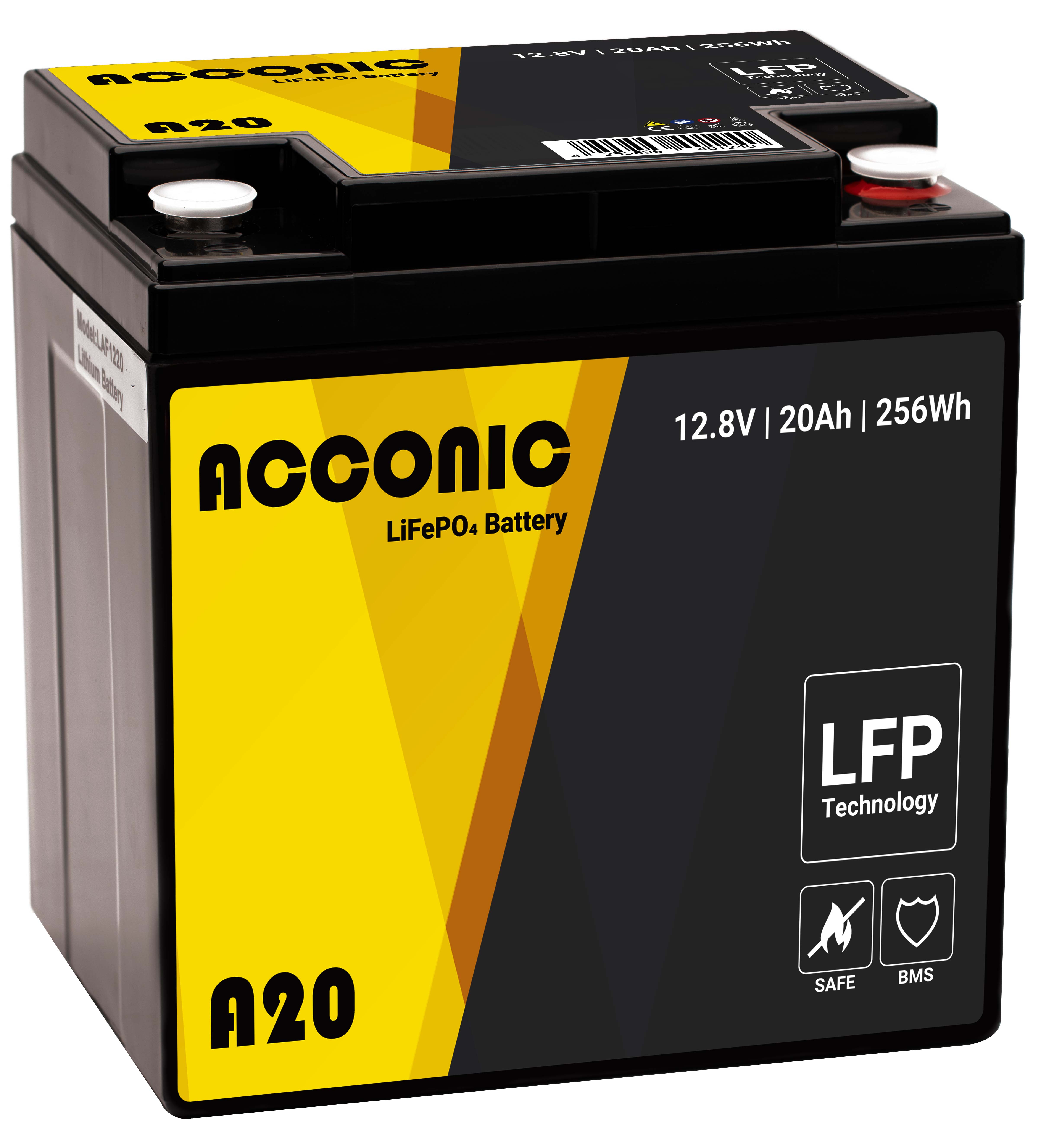

- Capacity (Ah):20 Ah
- Kapazität (Wh):256 Wh
- Tension:12V
- Dimensions (L x W x H):166 x 126 x 175 mm
- Battery technology::LiFePO4 (Lithium-Eisenphosphat)
delivery time: Immediately
In Stock
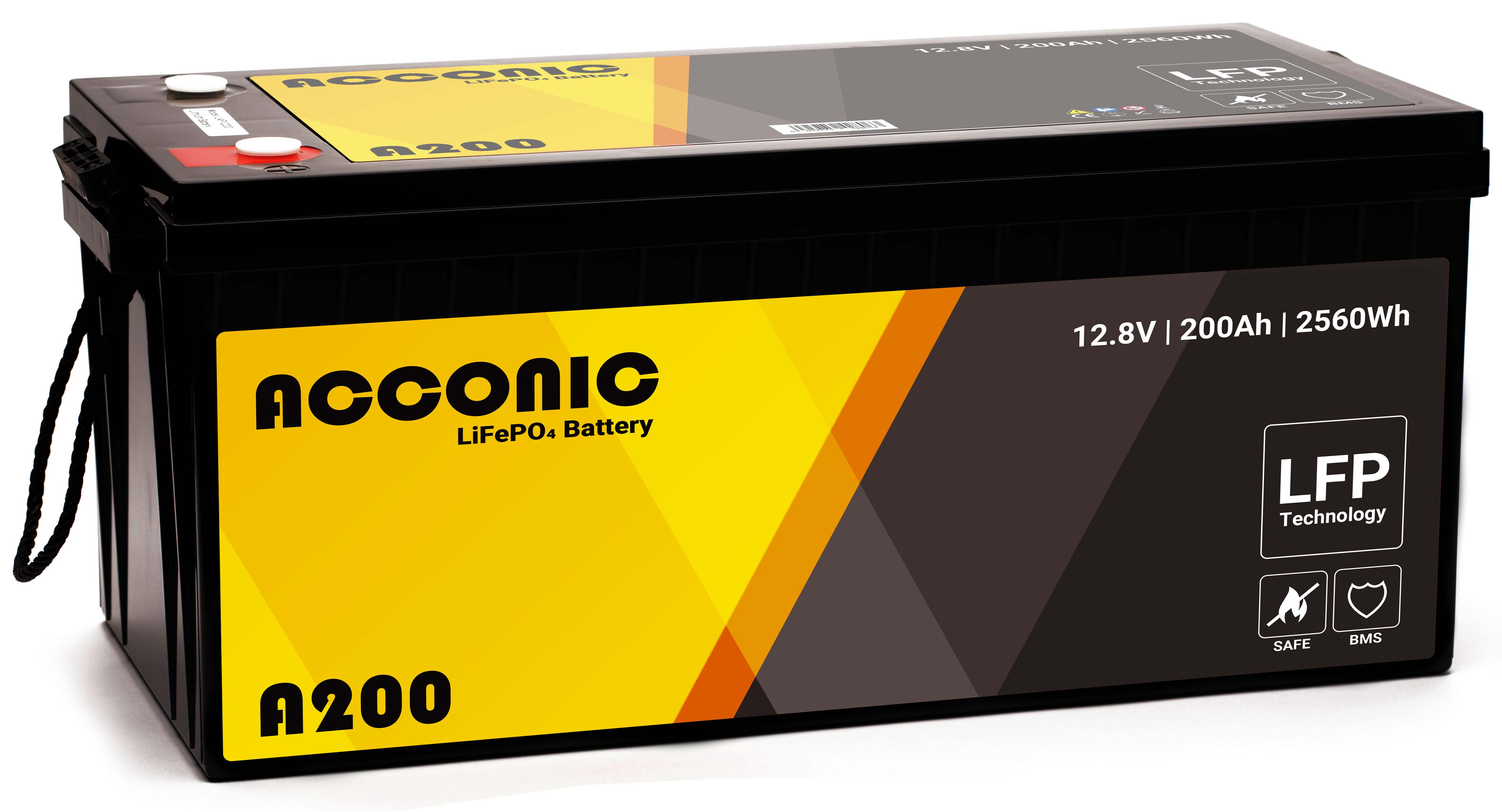
- Capacity (Ah):200 Ah
- Kapazität (Wh):2560 Wh
- Tension:12V
- Dimensions (L x W x H):520 x 240 x 228 mm
- Battery technology::LiFePO4 (Lithium-Eisenphosphat)
delivery time: Immediately
In Stock
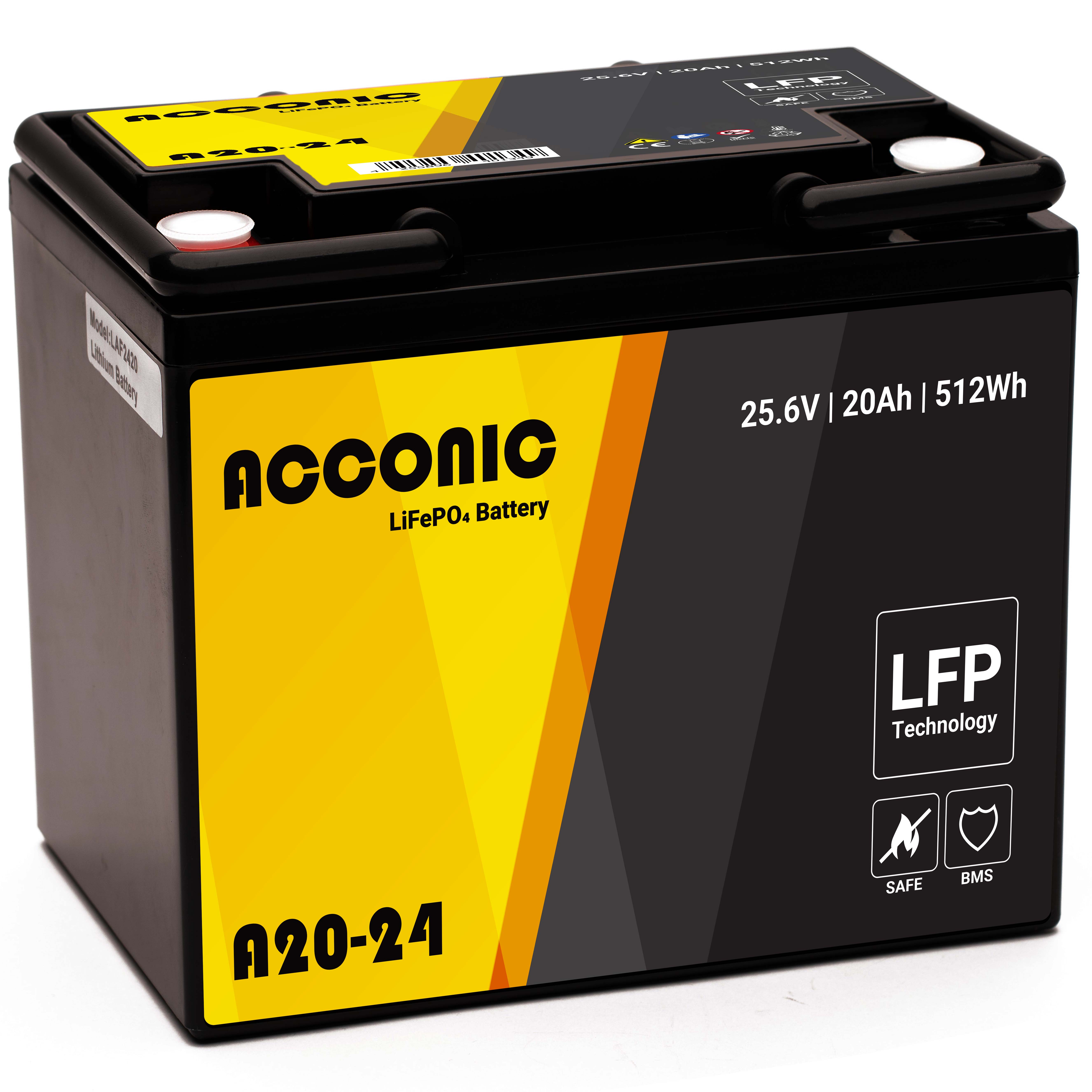
- Capacity (Ah):20 Ah
- Kapazität (Wh):512 Wh
- Tension:24V
- Dimensions (L x W x H):195 x 131 x 171 mm
- Battery technology::LiFePO4 (Lithium-Eisenphosphat)
Delivery time approx. 30 days
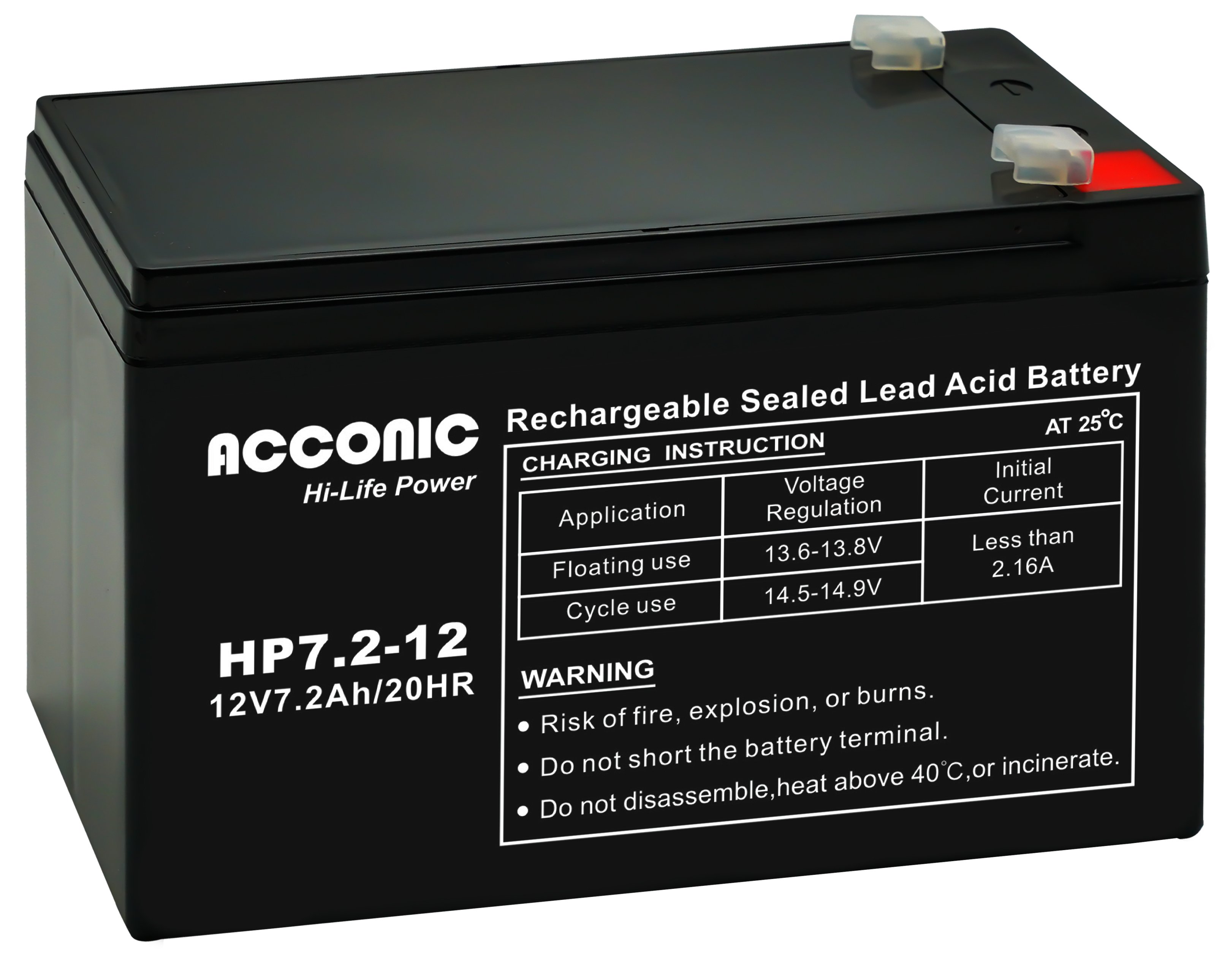
- Capacity (Ah):7,2 Ah
- Tension:12V
- Dimensions (L x W x H):151 x 65 x 100 mm
- Battery technology::AGM (VRLA)
delivery time: Immediately
In Stock
Versorgungsbatterien – Leistungsstarke Energie für Wohnmobil, Boot & Solar
Bei Voltimax finden Sie hochwertige Versorgungsbatterien für jede Anwendung. Ob Wohnmobil, Boot, Solaranlage oder mobile Geräte – unsere Batterien liefern zuverlässige Leistung, lange Lebensdauer und .
Wir bieten AGM, Gel, Nass- und Lithiumbatterien (LiFePO4) von führenden Marken wie Acconic, Enersys, Exide, Optima, Sonnenschein, Varta und Voltima. Mit unserem Batteriefinder wählen Sie schnell die passende Batterie nach Kapazität, Spannung, Baugröße und Polanordnung.
Ideal für:
Wohnmobile & Caravan – Stromversorgung für Licht, Kühlschrank und Geräte
Boote & Yachten – zuverlässige Energie auf See
Solaranlagen & Solarbatterien – dauerhafte Leistung für PV-Systeme
Mobile Geräte & Werkzeuge – jederzeit einsatzbereite Energie
Profitieren Sie von hoher Kapazität, langer Lebensdauer und schneller Lieferung.
Jetzt passende Versorgungsbatterie online bestellen und Top-Qualität von Voltimax sichern!