
REHA-Batterien




Haben Sie Fragen?
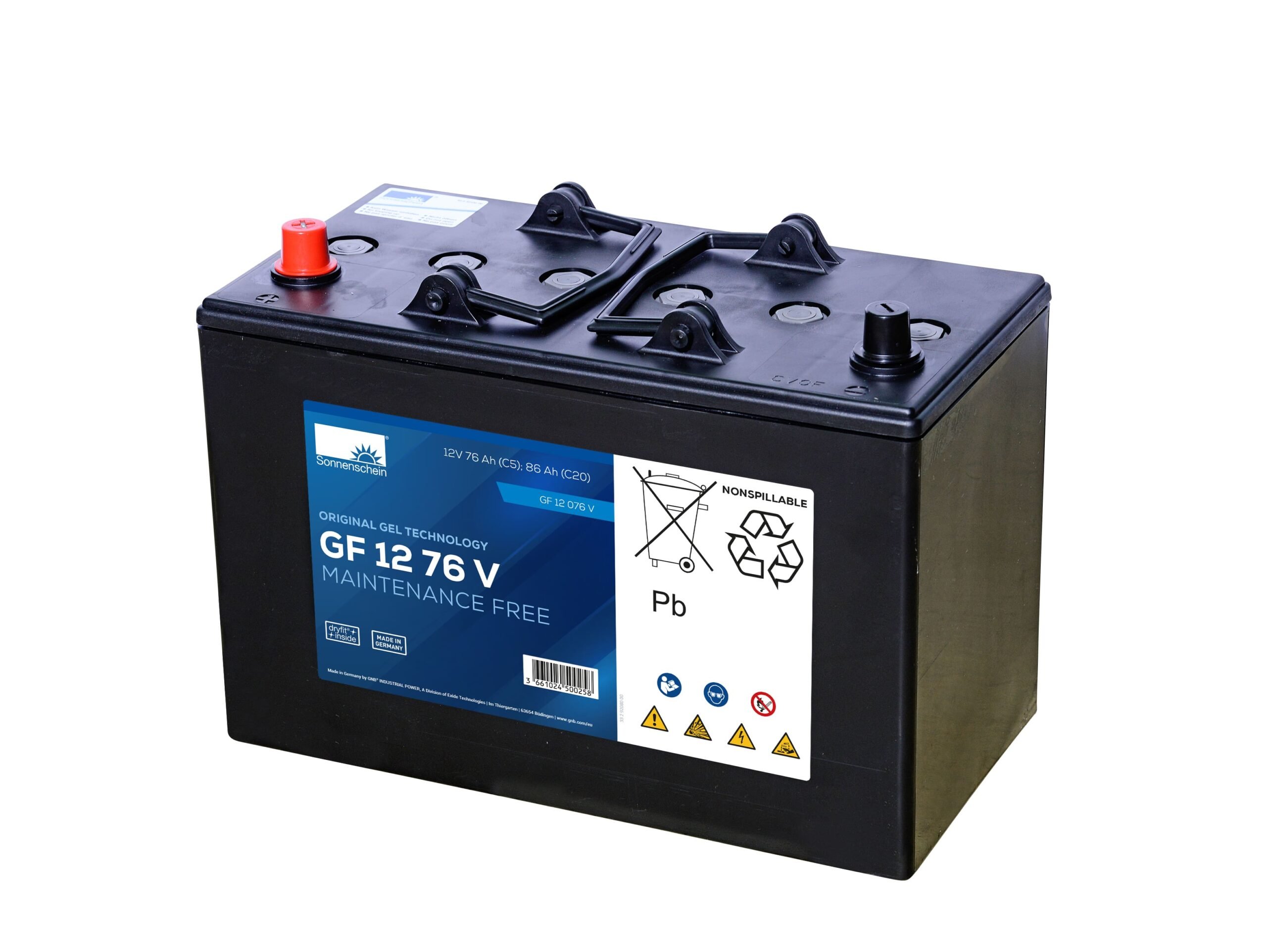

- Capacity (Ah):86 Ah
- Tension:12V
- Dimensions (L x W x H):330 x 171 x 236 mm
- Battery technology::GEL (VRLA)
Delivery time approx. 30 days
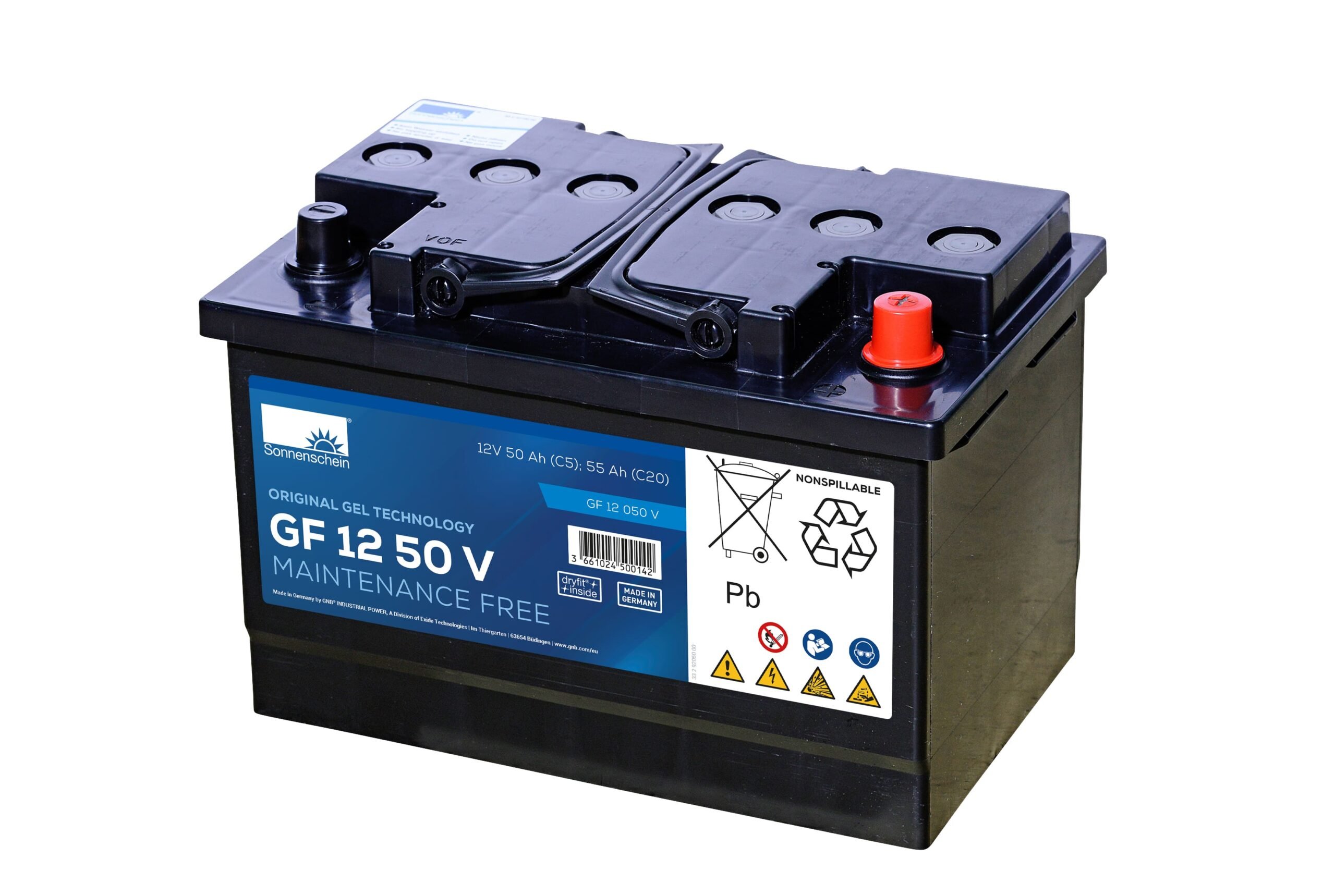
- Capacity (Ah):55 Ah
- Tension:12V
- Dimensions (L x W x H):278 x 175 x 190 mm
- Battery technology::GEL (VRLA)
Delivery time approx. 30 days

- Capacity (Ah):200 Ah
- Tension:6V
- Dimensions (L x W x H):246 x 192 x 275 mm
- Battery technology::GEL (VRLA)
Delivery time approx. 30 days
Not in Stock
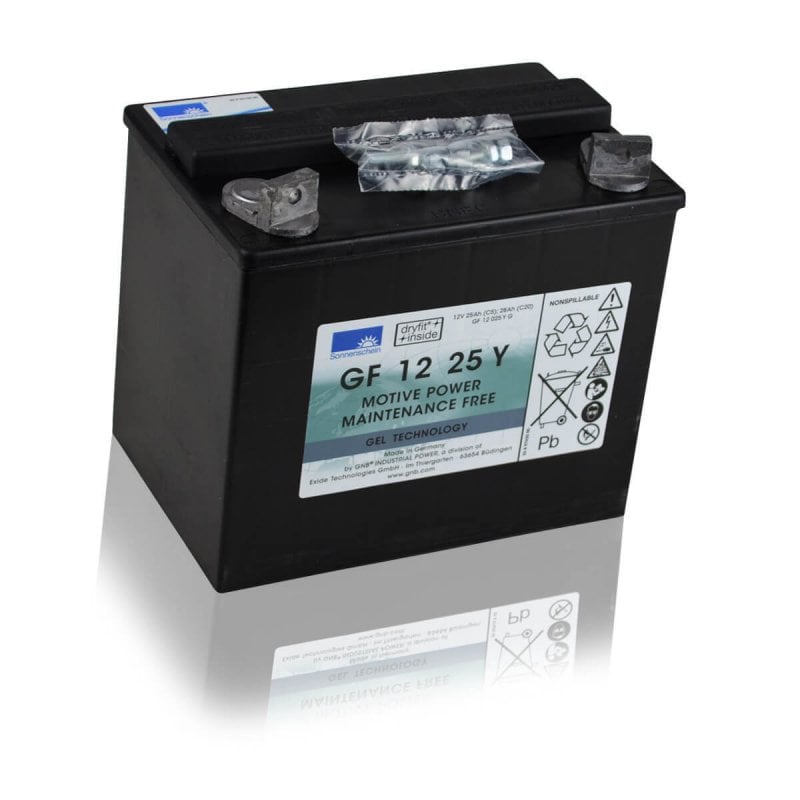
- Capacity (Ah):28 Ah
- Tension:12V
- Dimensions (L x W x H):197 x 132 x 180 mm
- Battery technology::GEL (VRLA)
delivery time: Immediately
In Stock
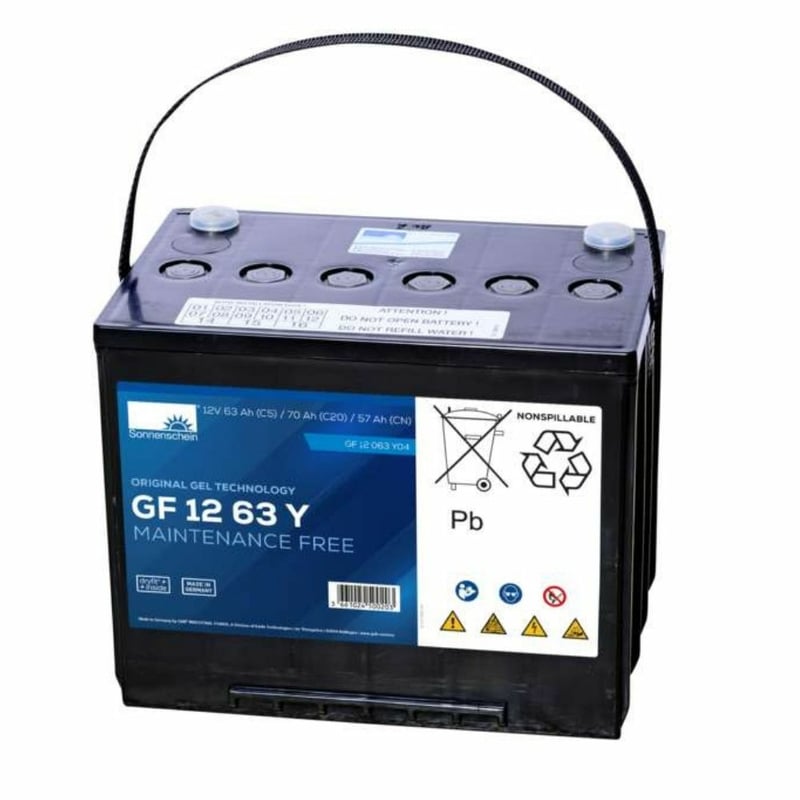
- Capacity (Ah):70 Ah
- Tension:12V
- Dimensions (L x W x H):261 x 171 x 210 mm
- Battery technology::GEL (VRLA)
delivery time: Immediately
Only %product.stock% In Stock

- Capacity (Ah):24 Ah
- Tension:12V
- Dimensions (L x W x H):167 x 176 x 126 mm
- Battery technology::GEL (VRLA)
Delivery time approx. 30 days
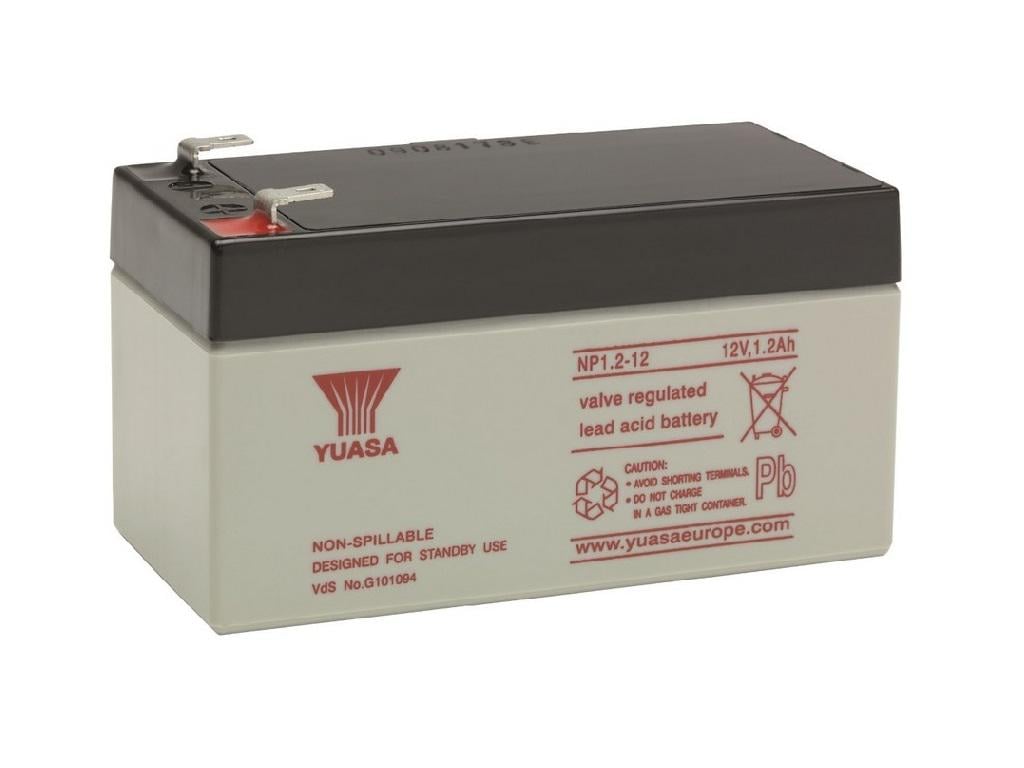

- Capacity (Ah):1.2 Ah
- Kälteprüfstrom:36A
- Dimensions (L x W x H):97 x 48 x 54,5 mm
- Battery technology::AGM
- Schaltung:3 (Pole auf der Schmalseite, Pluspol links)
- Tension:12V
Delivery time approx. 30 days
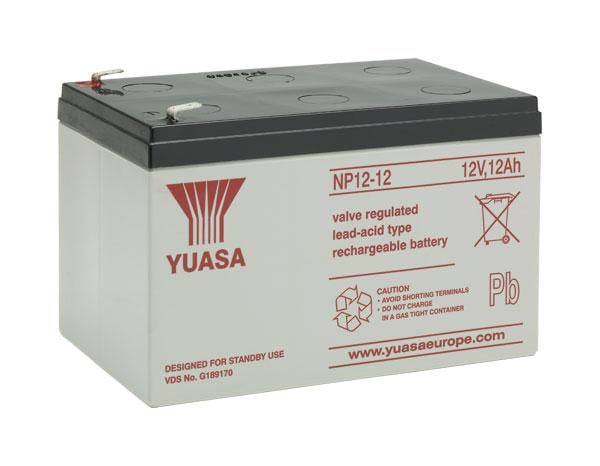
- Capacity (Ah):12 Ah
- Kälteprüfstrom:360A
- Dimensions (L x W x H):151 x 98 x 97,5 mm
- Battery technology::AGM
- Schaltung:3 (Pole auf der Schmalseite, Pluspol links)
- Tension:12V
delivery time: Immediately
In Stock
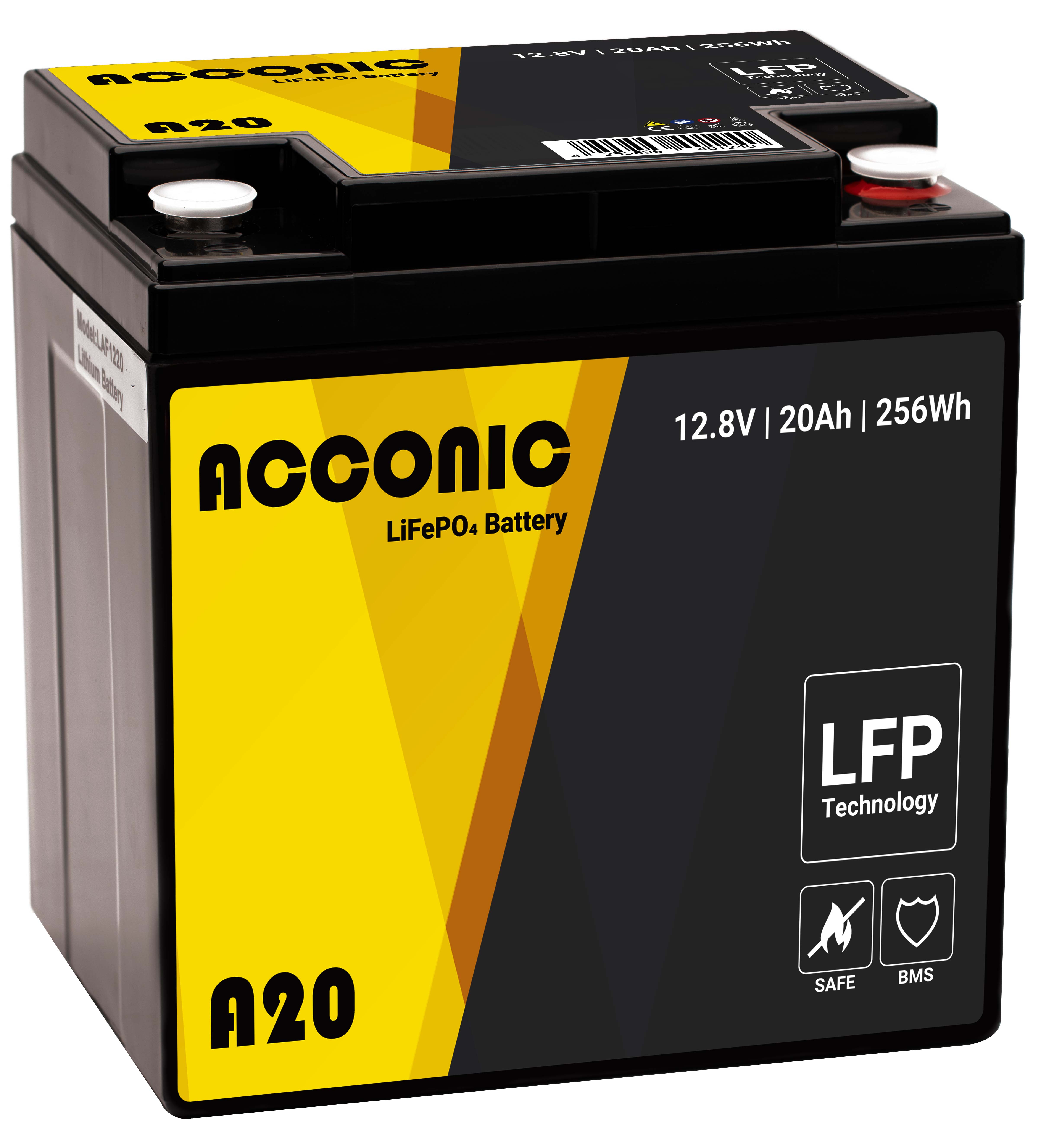

- Capacity (Ah):20 Ah
- Kapazität (Wh):256 Wh
- Tension:12V
- Dimensions (L x W x H):166 x 126 x 175 mm
- Battery technology::LiFePO4 (Lithium-Eisenphosphat)
delivery time: Immediately
In Stock
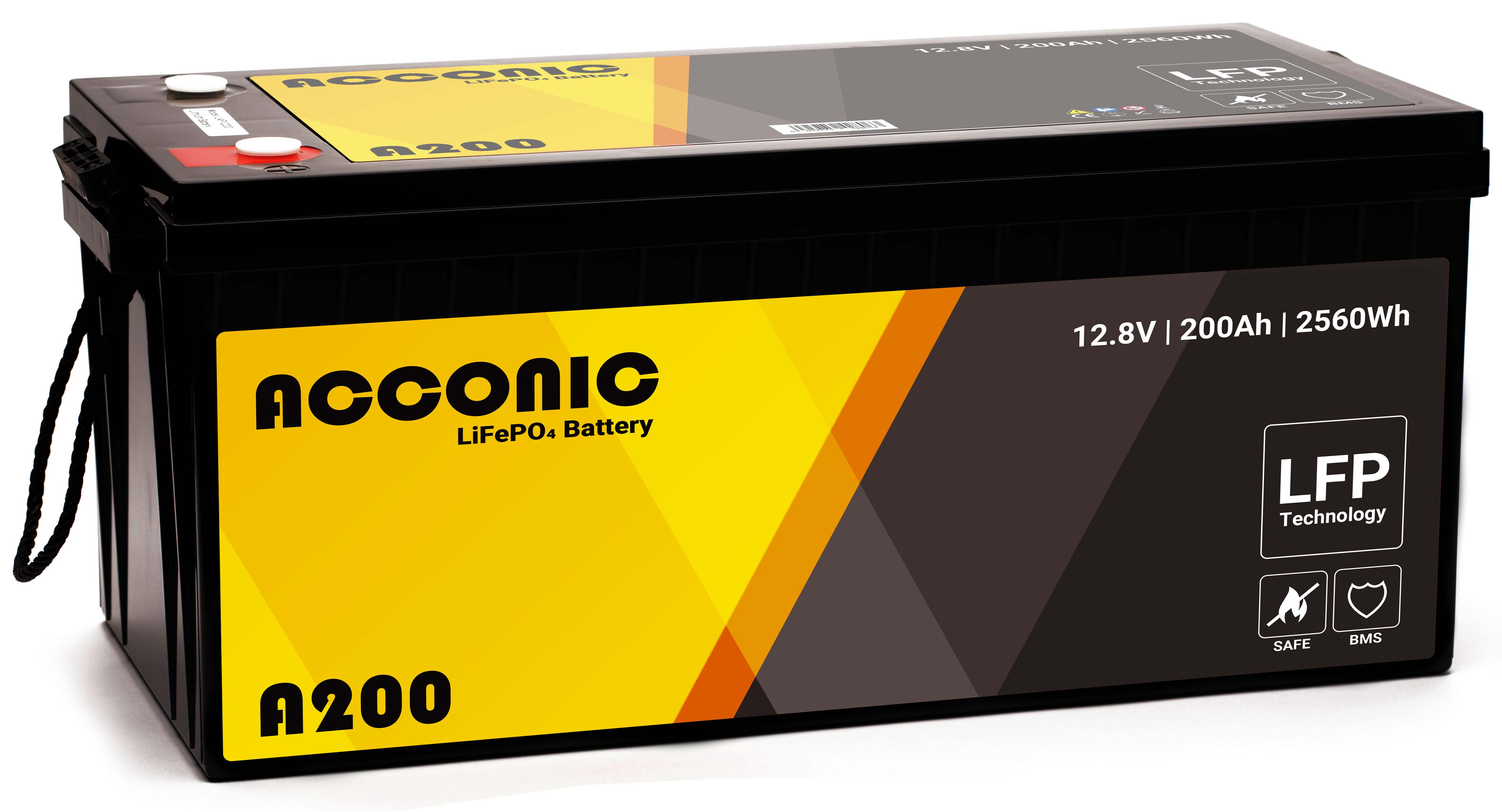
- Capacity (Ah):200 Ah
- Kapazität (Wh):2560 Wh
- Tension:12V
- Dimensions (L x W x H):520 x 240 x 228 mm
- Battery technology::LiFePO4 (Lithium-Eisenphosphat)
delivery time: Immediately
In Stock
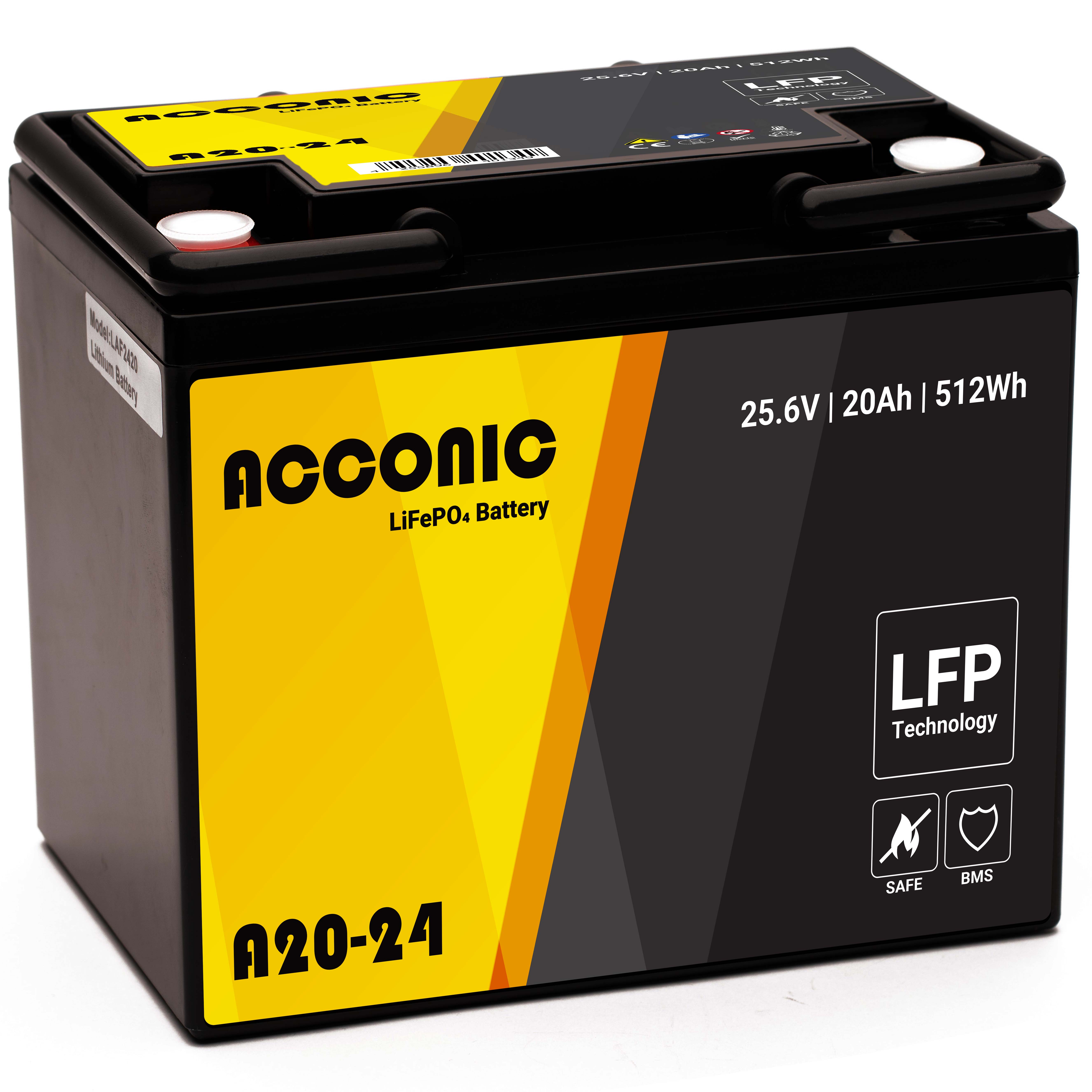
- Capacity (Ah):20 Ah
- Kapazität (Wh):512 Wh
- Tension:24V
- Dimensions (L x W x H):195 x 131 x 171 mm
- Battery technology::LiFePO4 (Lithium-Eisenphosphat)
Delivery time approx. 30 days
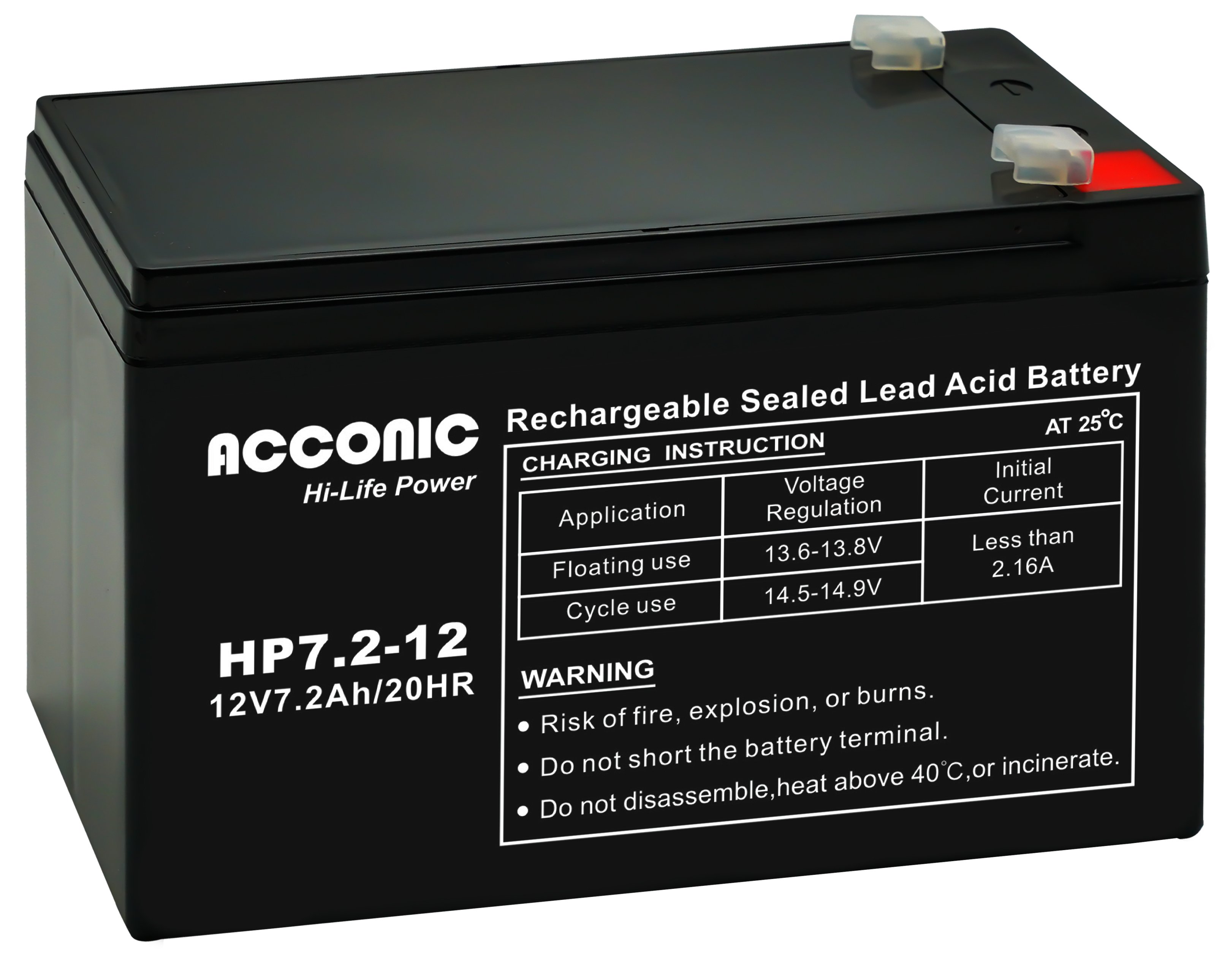
- Capacity (Ah):7,2 Ah
- Tension:12V
- Dimensions (L x W x H):151 x 65 x 100 mm
- Battery technology::AGM (VRLA)
delivery time: Immediately
In Stock
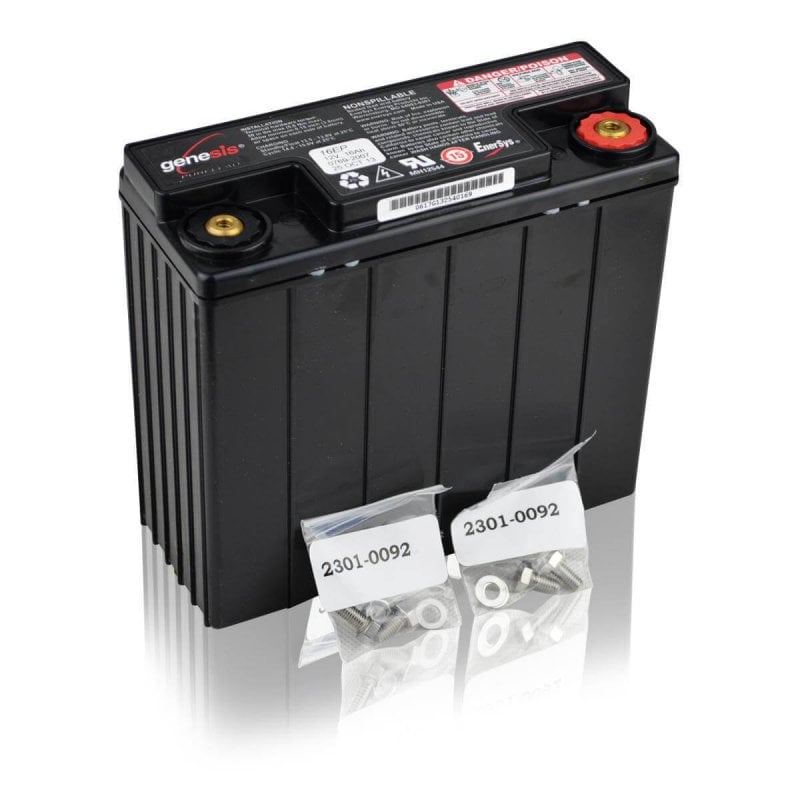

- Capacity (Ah):16 Ah
- Tension:12V
- Dimensions (L x W x H):181 x 76 x 167 mm
- Schaltung:0 (Pluspol rechts)
Delivery time approx. 30 days
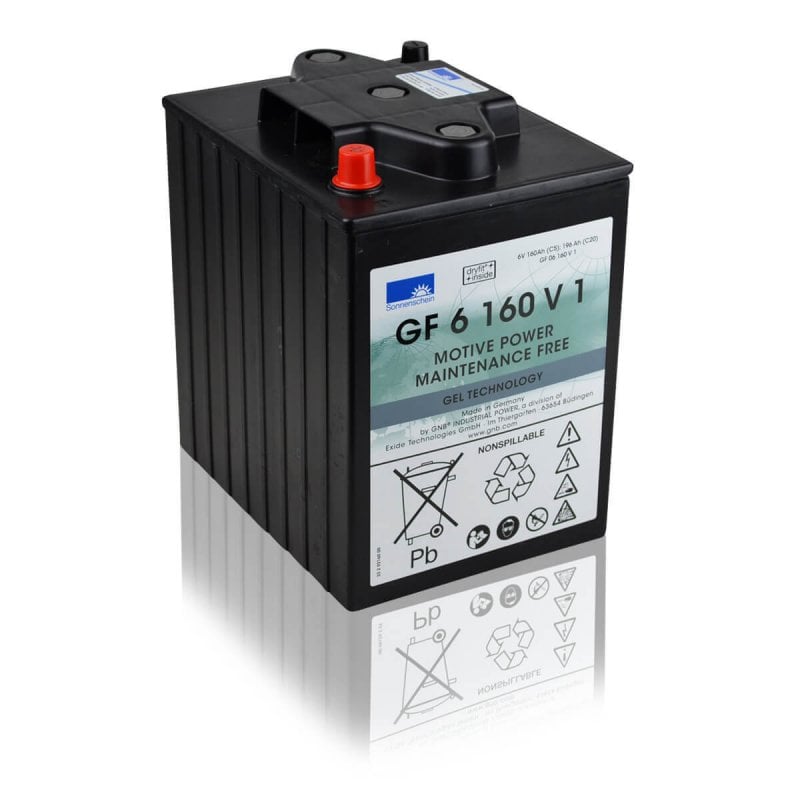
- Capacity (Ah):196 Ah
- Tension:6V
- Dimensions (L x W x H):246 x 192 x 275 mm
- Battery technology::GEL (VRLA)
delivery time: Immediately
In Stock
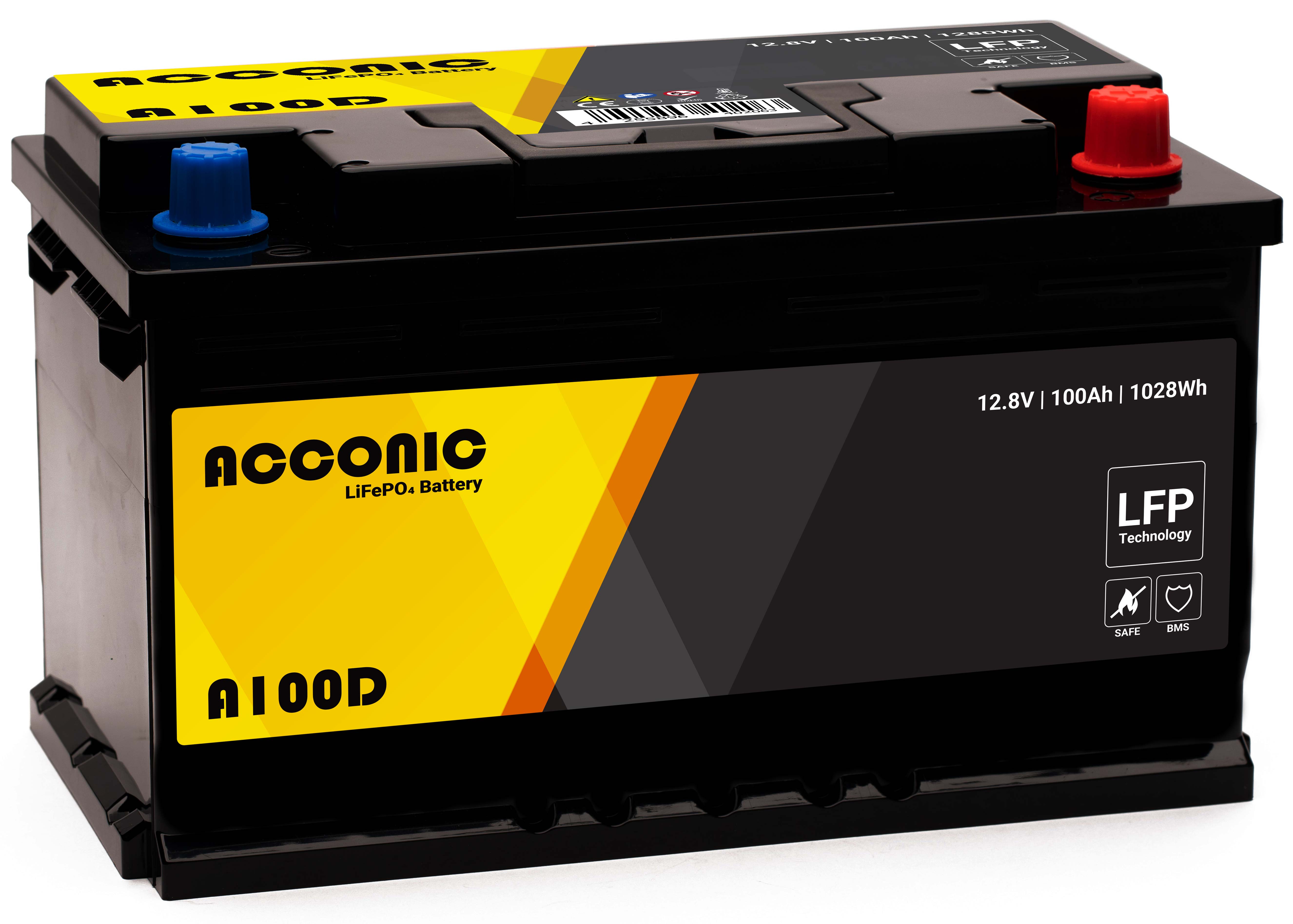
- Capacity (Ah):100 Ah
- Kapazität (Wh):1280 Wh
- Tension:12V
- Dimensions (L x W x H):353 x 175 x 190 mm
- Battery technology::LiFePO4 (Lithium-Eisenphosphat)
delivery time: Immediately
In Stock
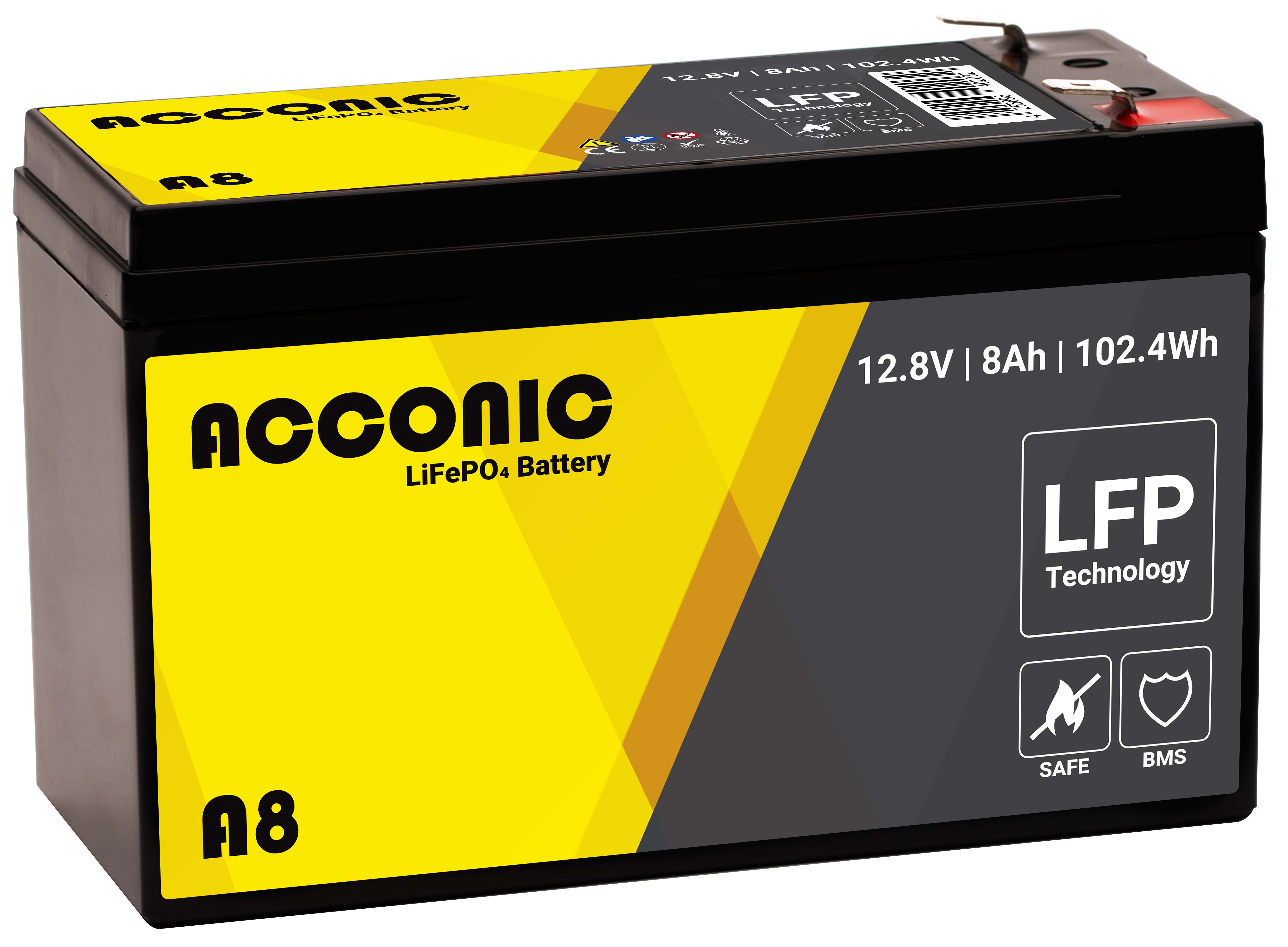
- Capacity (Ah):8 Ah
- Kapazität (Wh):102 Wh
- Tension:12V
- Dimensions (L x W x H):150 x 65 x 94 mm
- Battery technology::LiFePO4 (Lithium-Eisenphosphat)
Delivery time approx. 30 days
Not in Stock
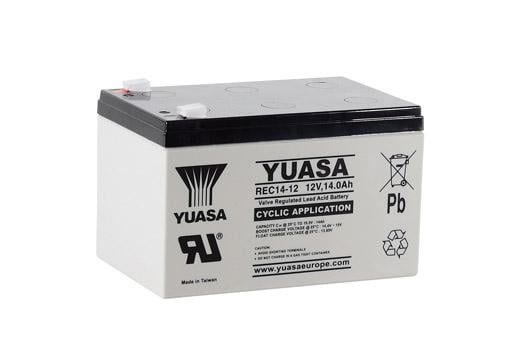
- Capacity (Ah):14 Ah
- Kälteprüfstrom:195A
- Dimensions (L x W x H):151 x 98 x 94 mm
- Battery technology::AGM
- Schaltung:3 (Pole auf der Schmalseite, Pluspol links)
- Tension:12V
delivery time: Immediately
In Stock
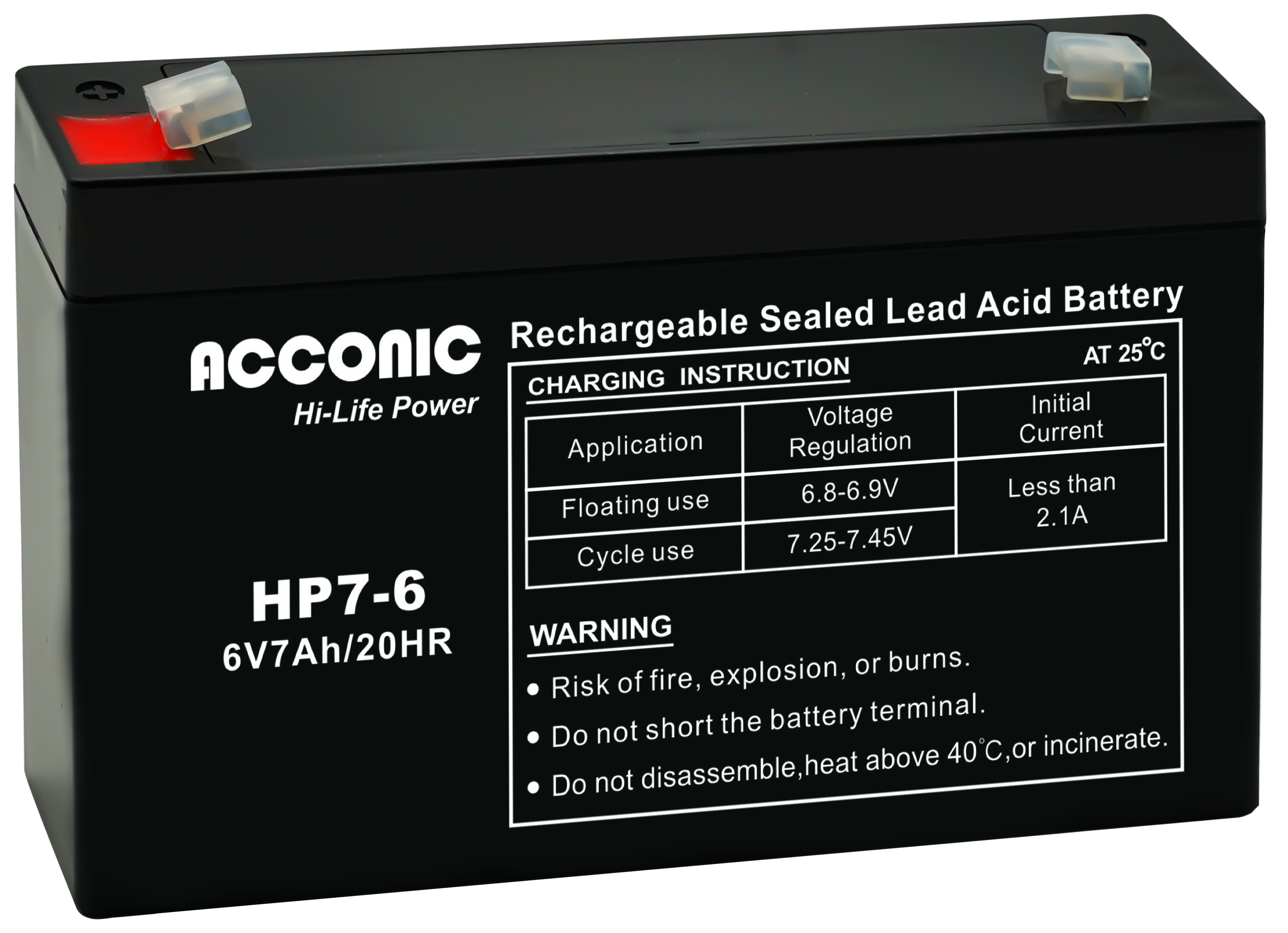
- Capacity (Ah):7 Ah
- Tension:6V
- Dimensions (L x W x H):151 x 35 x 100 mm
- Battery technology::AGM (VRLA)
delivery time: Immediately
In Stock
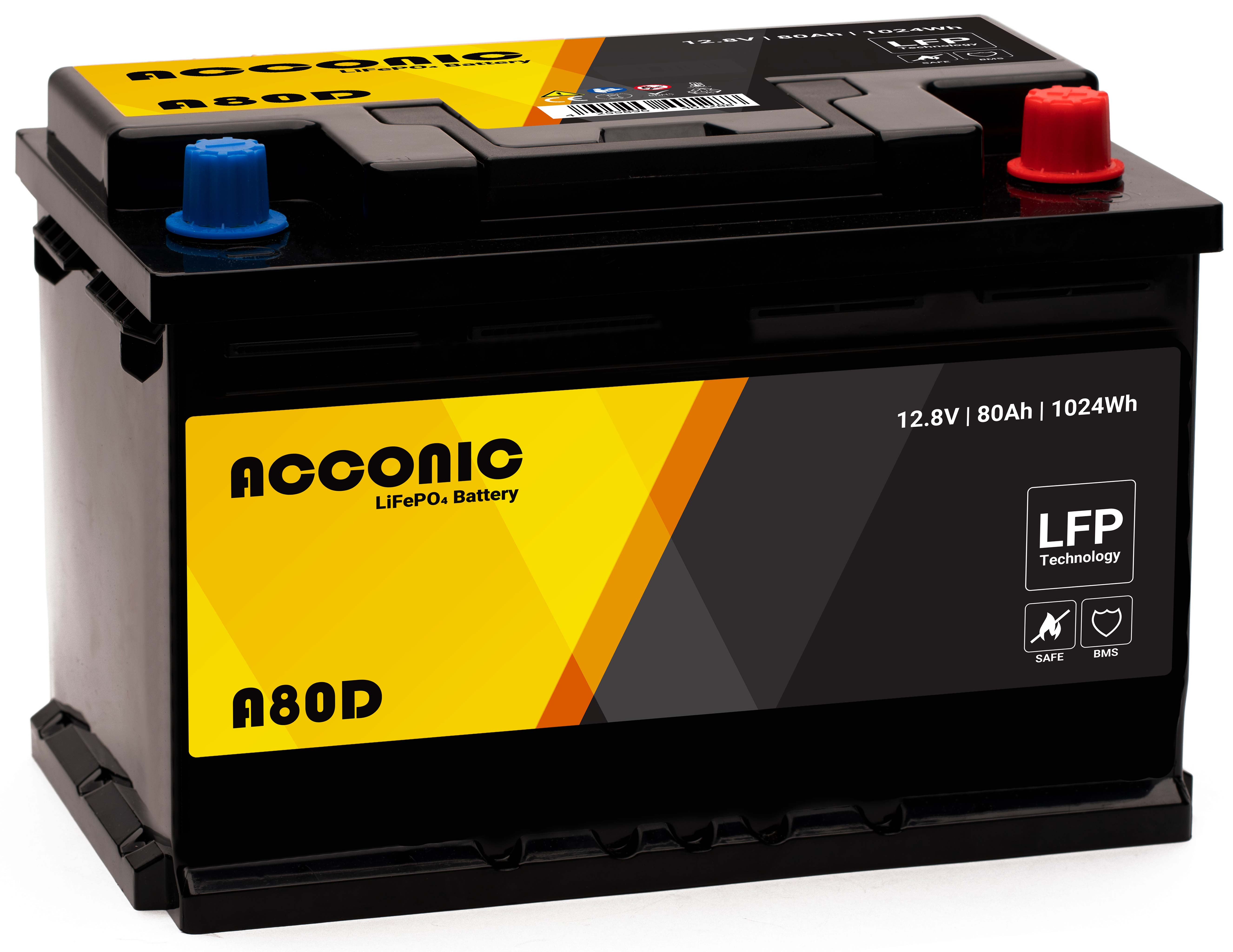
- Capacity (Ah):80 Ah
- Tension:12V
- Dimensions (L x W x H):278 x 175 x 190 mm
- Battery technology::LiFePO4 (Lithium-Eisenphosphat)
Delivery time approx. 30 days
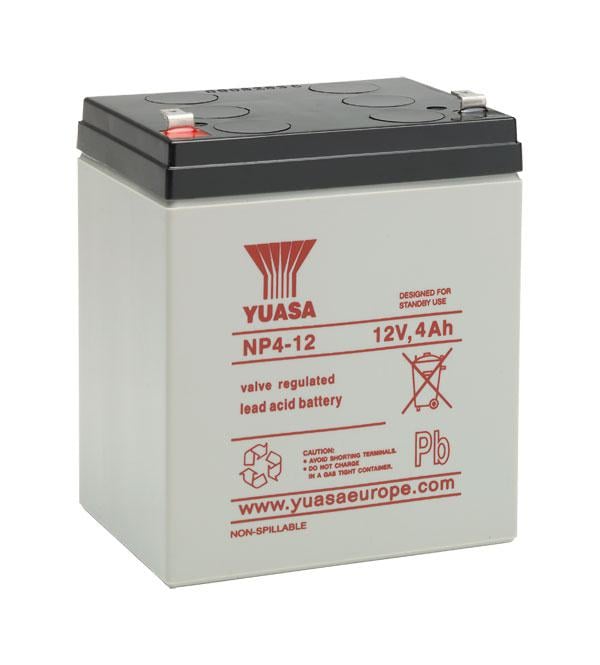
- Capacity (Ah):4 Ah
- Kälteprüfstrom:120A
- Dimensions (L x W x H):90 x 70 x 106 mm
- Battery technology::AGM
- Schaltung:1 (Pluspol links)
- Tension:12V
delivery time: Immediately
In Stock
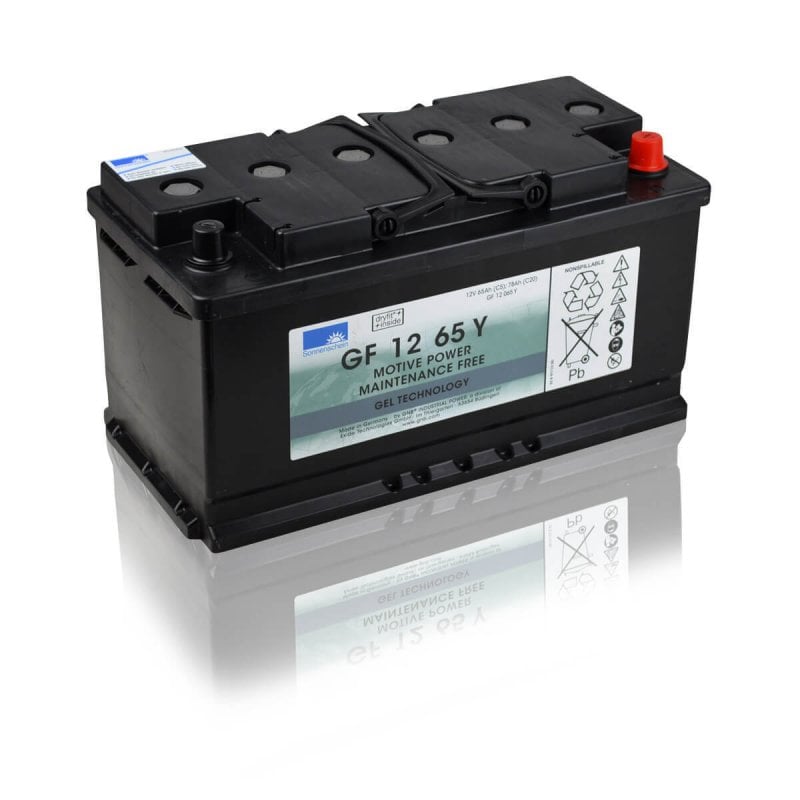
- Capacity (Ah):78 Ah
- Tension:12V
- Dimensions (L x W x H):353 x 175 x 190 mm
- Battery technology::GEL (VRLA)
delivery time: Immediately
In Stock
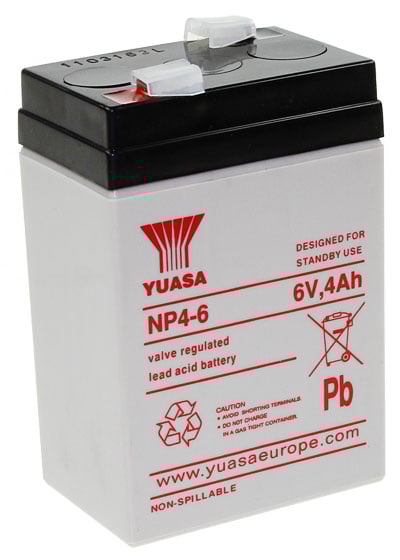
- Capacity (Ah):4Ah
- Dimensions (L x W x H):70 x 47 x 106 mm
- Battery technology::AGM
- Schaltung:1 (Pole diagonal angeordnet, Pluspol vorne Links)
- Tension:6 V
delivery time: Immediately
Only %product.stock% In Stock
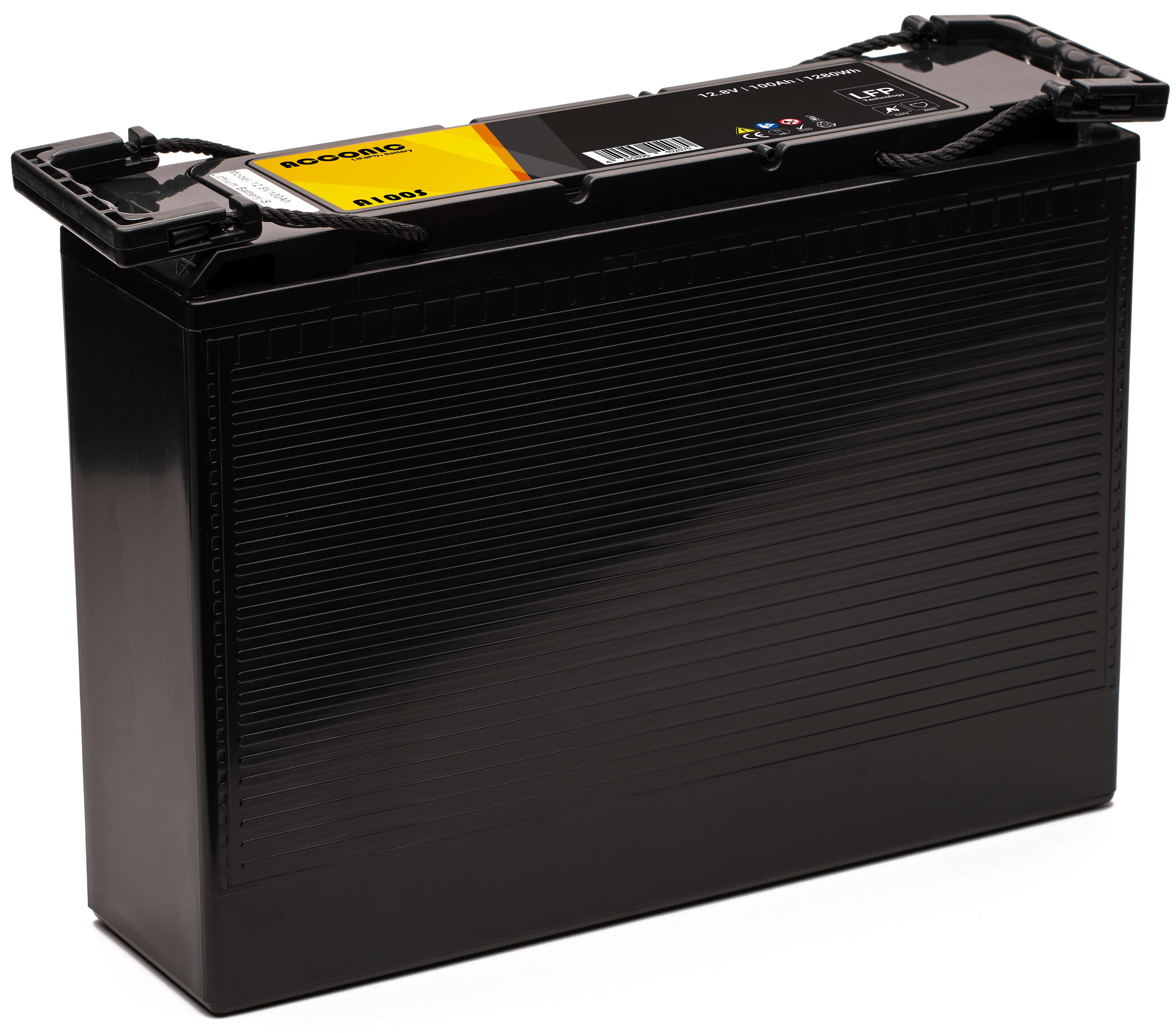
- Capacity (Ah):100 Ah
- Kapazität (Wh):1280 Wh
- Tension:12V
- Dimensions (L x W x H):395 x 110 x 287 mm
- Battery technology::LiFePO4 (Lithium-Eisenphosphat)
delivery time: Immediately
Only %product.stock% In Stock
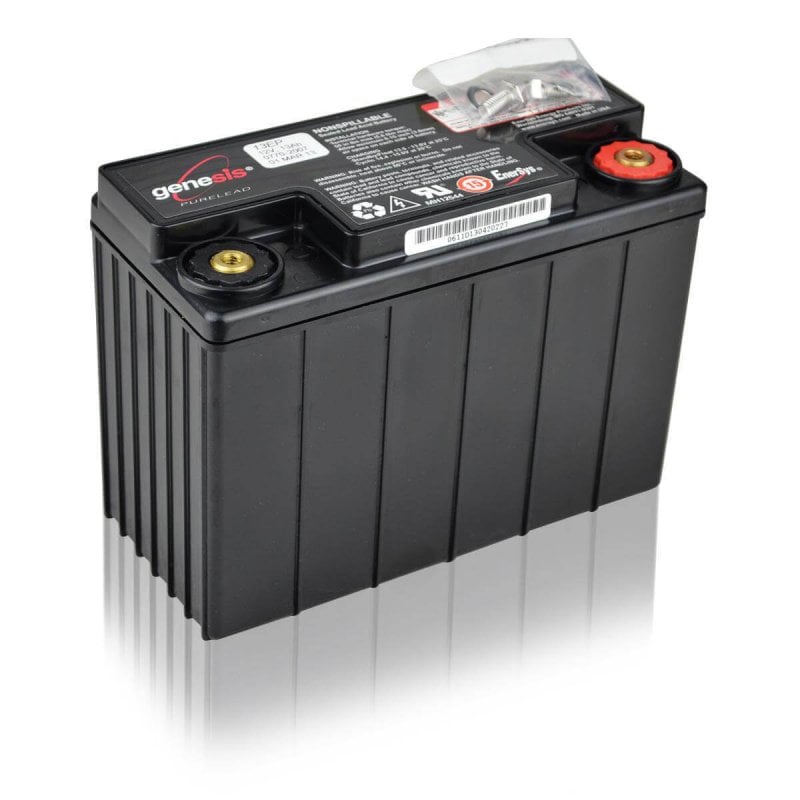
- Capacity (Ah):13 Ah
- Tension:12V
- Dimensions (L x W x H):175 x 83 x 129 mm
- Schaltung:0 (Pluspol rechts)
delivery time: Immediately
In Stock
Leistungsstarke REHA-Batterien für anspruchsvolle Energieversorgung
Entdecken Sie hochwertige REHA-Batterien bei Voltimax – die perfekte Lösung für professionelle und mobile Energieversorgung in Reha-Fahrzeugen, Elektrorollstühlen, medizinischen Geräten und Sonderanwendungen. Unsere REHA-Batterien überzeugen durch höchste Zuverlässigkeit, langlebige Performance und wartungsfreien Betrieb – ideal für tägliche Lade- und Entladezyklen und extrem unterschiedliche Einsatzbedingungen.
Warum REHA-Batterien von Voltimax wählen?
✔ Wartungsfrei & sicher
Unsere REHA-Batterien sind vollständig wartungsfrei – Sie müssen kein Wasser nachfüllen und profitieren von auslaufsicherer Bauweise und modernster Batterietechnologie.
✔ Hohe Zyklenfestigkeit & Lebensdauer
Speziell entwickelt für intensive Nutzung: REHA-Batterien bieten eine hohe Zyklenfestigkeit und lange Lebensdauer, auch bei täglichen Ladezyklen.
✔ Zuverlässig bei jedem Klima
Ob Kälte oder Hitze: Unsere Batterien liefern konstante Leistung unter anspruchsvollen Bedingungen – perfekt für den Einsatz im Innen- und Außenbereich.
✔ Robust & vibrationsfest
Robustes Gehäuse und stoßfeste Konstruktion machen unsere REHA-Batterien besonders widerstandsfähig – auch bei mobilen Anwendungen.
Typische Einsatzbereiche
REHA-Batterien eignen sich für zahlreiche Anwendungen, unter anderem:
- Elektrorollstühle und Reha-Fahrzeuge
- Reinigungs- und Bodenmaschinen
- Sicherheits- und Notstromsysteme
- Mobile Energieversorgung und Outdoor-Einsätze
- Photovoltaik- und Speichersysteme
- Industrie- und Sonderanwendungen
Qualität, auf die Sie sich verlassen können
Bei Voltimax bieten wir ausschließlich geprüfte Marken- und Qualitätsbatterien mit modernster Technologie – ob AGM, GEL, LiFeP04 oder spezielle REHA-Ausführungen. Unsere Produkte stehen für langlebige Leistung, Sicherheit und Effizienz, damit Sie in jedem Einsatzfall auf konstante Energie vertrauen können.